Saudi Arabia reportedly ceased issuing air raid warnings for its citizens, a decision that preceded a series of Houthi attacks on the capital, Riyadh, last week. The most severe incident involved a Houthi missile strike on King Khalid International Airport on 10/10, which resulted in 18 deaths and over 300 injuries. This move has raised questions among international observers and officials regarding public safety and the kingdom's approach to national security.
Since the Middle East conflict began, regional nations have faced missile and unmanned aerial vehicle (UAV) attacks from Iran and its proxies. Each country employs different air raid alert methods. Saudi Arabia had previously initiated warnings through mobile phones and social media accounts in May. The last public alert from the Saudi civil defense agency's X account about an impending attack was on 29/9, referencing the southern province of Najran. This agency, part of the Saudi Ministry of Interior, handles emergency response, rescue operations, firefighting, and early warning dissemination.
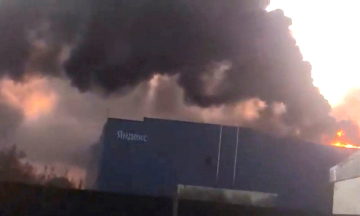
Moment the King Khalid Airport terminal was attacked on 10/10. *Video: Al Arabiya*
Despite these previous measures, Saudi officials did not warn residents about the risk of attack before four assaults on Riyadh last week. While the civil defense agency continued to issue notices urging residents to stay safe during bad weather—with the latest advisory on 12/10—no air raid warnings were issued. The agency also cautioned people against sharing images, information, or rumors about attacked locations or sites where enemy weapons were intercepted.
Reuters reported on 12/10, citing two officials familiar with the matter, that prior to last week's attacks, a Western nation's representative inquired with Saudi officials about the cessation of warnings. "Saudi Arabia replied that they were bothersome, and many people complained about being woken up at night by the alarms," one official stated. According to two Western officials, Saudi Arabia endured more than 10 attacks in the first 12 days of October without any alerts.
 |
A Saudia aircraft destroyed at King Khalid Airport was revealed on 8/10. *Photo: X/OSINTWarfare*
Three individuals indicated that some Western embassies warned staff about the risk of attack during this period. These warnings were based on intelligence from the United States and its allies, combined with information from Saudi Arabia. Two such alerts were issued before the first attack on King Khalid Airport. However, there was no internal warning before the 10/10 attack itself. Sources stated that even embassies did not receive relevant data concerning this specific incident. Saudi Arabia has not yet commented on these reports.
Four Western and Arab officials working in Saudi Arabia, along with international experts, believe the absence of warnings raises questions about the risk of attacks and the ability to protect residents and visitors. This also reflects an effort to maintain a sense of normal life. "Saudi Arabia aims to achieve two goals: conducting operations and building confidence among its people and externally," stated Sultan Alamer, a Saudi expert at the Middle East Policy Council research institute.
Some Middle East experts fear Saudi Arabia's approach will backfire, as the absence of early warnings could increase public anxiety.
Smoke rising from King Khalid Airport, Riyadh, Saudi Arabia on 10/10. *Video: X/EGYOSINT*
"This appears to be a consequence of the dilemma they face. Saudi Arabia needs to respond to the Houthi, but does not want to cause social disruption; their communication reflects that. However, the lack of warnings before attacks creates the very concern they are trying to avoid," said Michael Ratney, former US ambassador to Saudi Arabia.
Ali Shihabi, a Saudi expert with government ties, acknowledged that the country will continue to face difficulties protecting all its infrastructure due to its vast territory. "Saudi Arabia does not have enough Patriot systems, interceptor missiles, or air defense batteries; they have an unlimited need for this type of equipment," he stated.
Nguyen Tien (According to Reuters, AFP, AP)