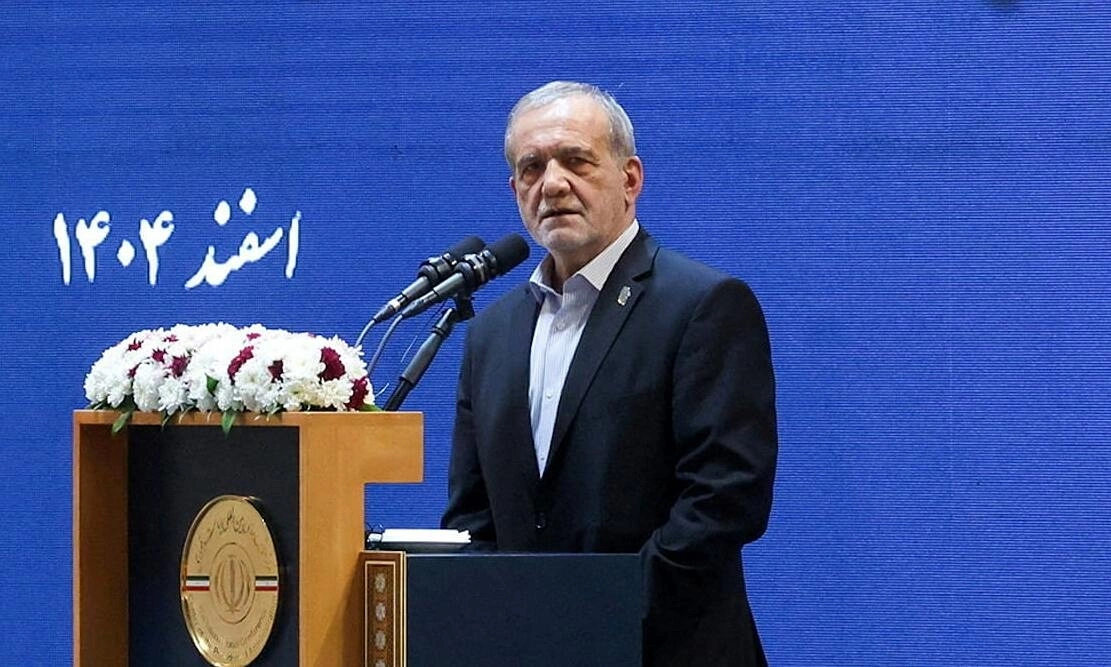
During a closed-door briefing on 25/3, Department of Defense officials answered questions from Democratic and Republican members of the House Armed Services Committee regarding the Trump administration's overall strategy in the Iran conflict. Many lawmakers left the meeting concerned, stating that the Pentagon's explanations remained unclear.
House Armed Services Committee Chairman Mike Rogers, a Republican, admitted there was "frustration from both sides" in recent briefings, including the one on 25/3. The conflict has entered its 4th week, and a major funding request for the war is imminent. Rogers noted that lawmakers did not receive sufficient information on whether the US would deploy ground forces to Iran, the ultimate objectives of the operation, or the estimated costs, among other issues.
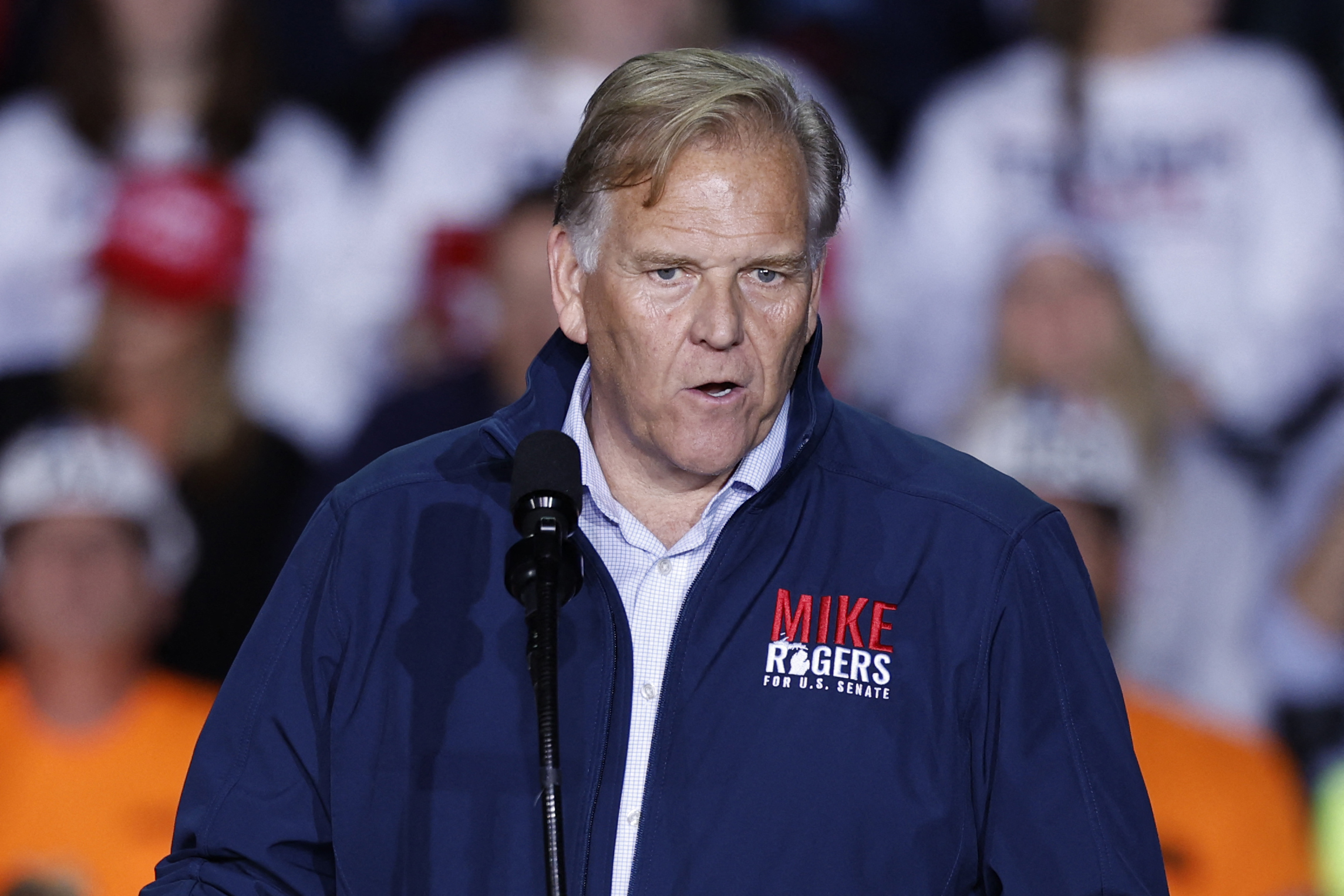 |
Representative Mike Rogers speaking in Michigan in 2024. *Photo: AFP* |
"They are increasing forces at US Central Command (CENTCOM) and other command nodes, and we want to know more about what options they are considering. But we are not being provided information", Rogers said. "This is one of many meetings that makes us feel the administration needs to be more open when sending people here to brief. It's positive that they are finally starting to send people, but when they come, they must provide substantive information."
Republican Representative Nancy Mace also left the meeting frustrated by the vague information. She declared she would vote against any further funding requests for the conflict until clear answers are provided on how long the US will continue its operations in Iran. Mace suggested that any lawmaker, upon hearing the briefing the House Armed Services Committee received on 25/3, would oppose additional funding for the war. "They are not giving much information. Every day this war drags on, Republican support decreases."
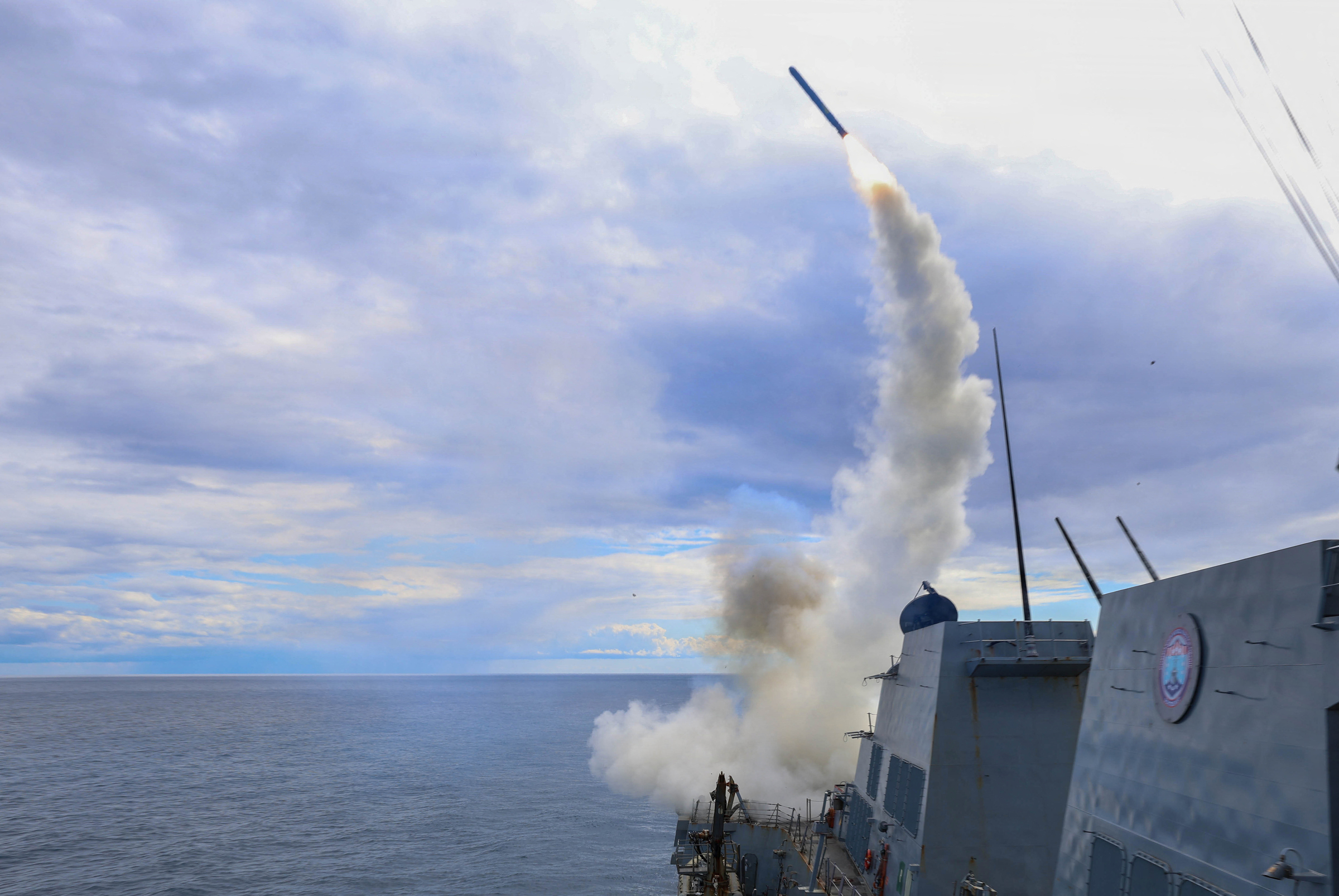 |
A Tomahawk missile launched from the USS Thomas Hudner at an undisclosed location on 1/3. *Photo: AFP* |
In contrast, Republican Representative Clay Higgins said he was generally satisfied with the briefing, but still described it as the "most tense" House Armed Services Committee meeting he had ever witnessed. Higgins believed some lawmakers entered the room ready to express dissatisfaction with the administration. He stated, "I did not find this meeting less professional or less complete than previous ones. This is a sensitive issue, an ongoing military operation, and some questions my Democratic colleagues asked were practically unanswerable."
House Speaker Mike Johnson, a Republican, defended the Trump administration amid growing frustration from lawmakers. "They have held classified briefings for members of Congress. Every lawmaker has access to any information they need, so I am not sure how much more transparent they can be", he said.
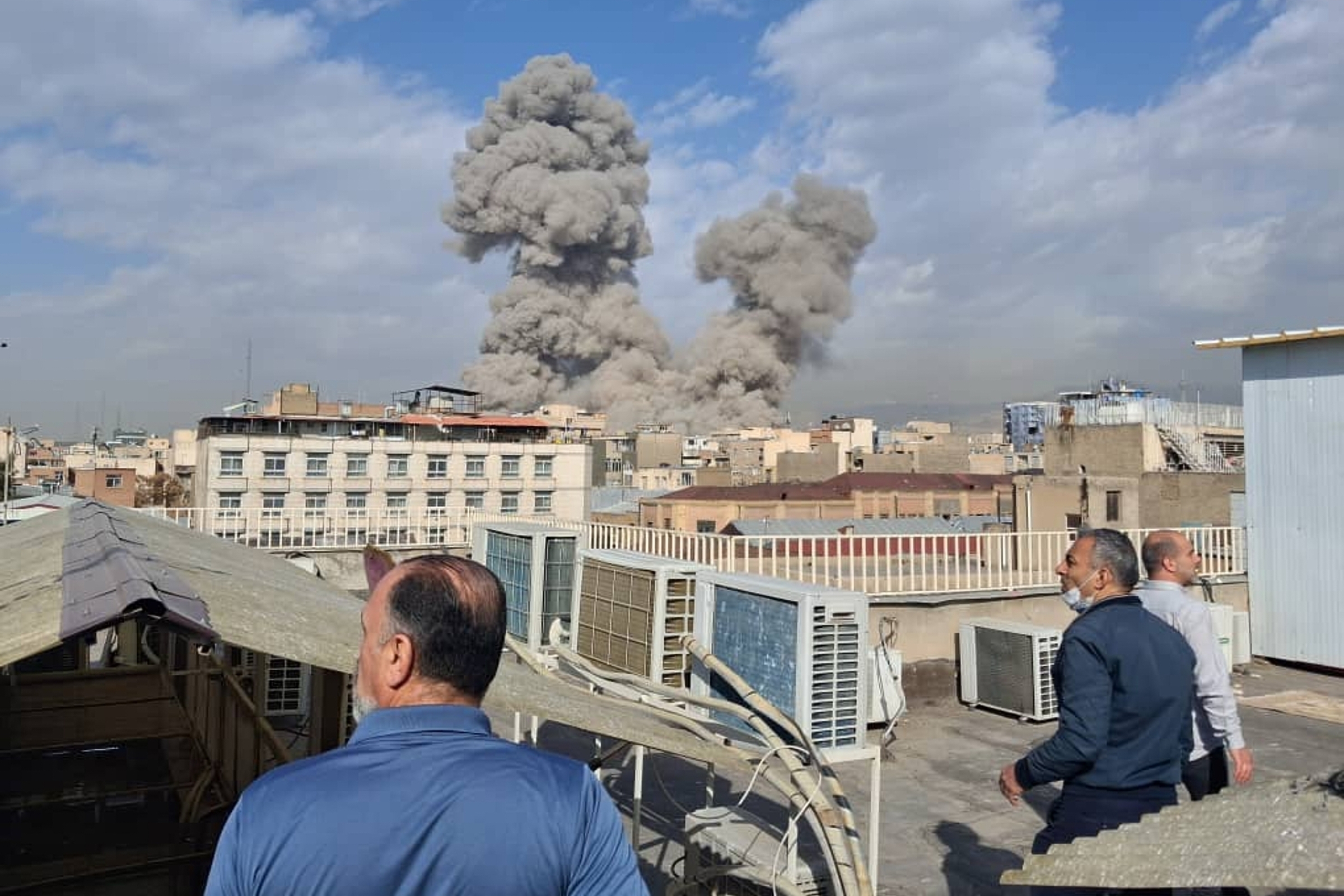 |
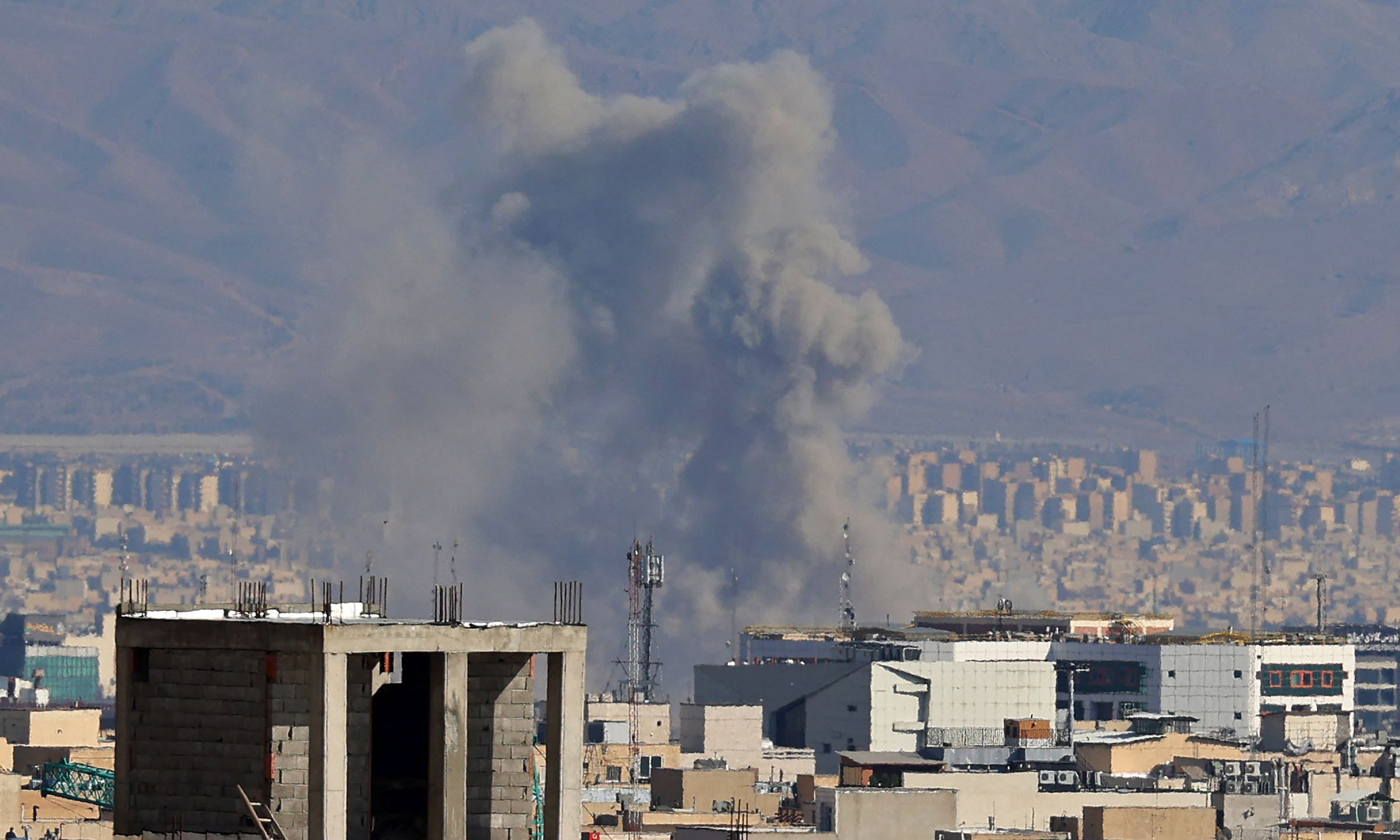
Residents observe a smoke plume after an explosion in Tehran, Iran, on 28/2. *Photo: AP* |
Senators on the Senate Armed Services Committee were also briefed on 25/3, but Republican senators appeared less concerned about the amount of information the Pentagon provided. When asked about their satisfaction with the administration's briefing, Republican Senator Mike Rounds replied that "any information we get is useful. Of course, we always want to know more." Republican Senator Dan Sullivan stated he had asked Pentagon representatives about the progress in achieving the goals set by Trump, and he left the meeting with a positive impression.
According to observers, the differing reactions in the series of closed-door meetings are the latest sign of a growing rift within the Republican party regarding the conflict in Iran. The White House stated that the Trump administration has briefed Congress throughout the operation, even before military action began. To date, the Department of State, Department of Defense, and the US Intelligence Community have held 20 bipartisan meetings to brief lawmakers, including two for the House Armed Services Committee, White House Deputy Spokesperson Anna Kelly said.
The conflict, which began on 28/2, has resulted in over 3,000 fatalities, including more than 1,900 in Iran and 13 US soldiers. The US President recently stated he "is in talks with the right people and they very much want to make a deal" on the Iranian side, but did not specify names. However, Iran later denied the information. Iranian media cited a senior official from the country stating that Tehran had reviewed and rejected Washington's proposals to end the conflict, calling them "excessive."