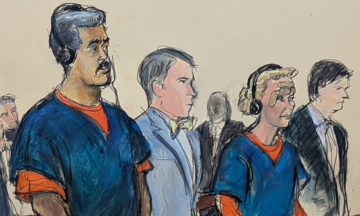
Following a US raid on Caracas in the early hours of 3/1, Venezuelan President Nicolas Maduro and his wife, Cilia Flores, were brought to New York. They face weapon and drug charges in a Manhattan federal court. Both are expected to appear for their initial court hearing at noon on 5/1 (midnight on 6/1 Hanoi time) to hear the indictment for drug trafficking and other offenses.
The hearing will take place at the Daniel Patrick Moynihan Federal Courthouse, a 27-story tower adjacent to New York's Chinatown. Mr. Maduro's presence there will undoubtedly lead to heightened security measures.
Preliminary hearings like this are often brief. The judge will explain their rights to Mr. Maduro and Ms. Flores and ask them to confirm whether they plead guilty or not.
If convicted of drug-terrorism conspiracy and conspiracy to import cocaine, among other charges, Mr. Maduro could face a sentence ranging from 30 years to life imprisonment, according to legal experts at NYTimes.
During the hearing, prosecutors typically summarize the evidence. Both sides may also discuss legal motions the defense plans to file to counter the accusations.
This hearing will initiate a legal process that could extend beyond one year. Mr. Maduro is likely to deny the charges, and Judge Alvin K. Hellerstein will order his detention at a Brooklyn federal prison.
US prosecutors accuse Mr. Maduro of operating "state-sponsored" drug trafficking rings and facilitating drug trade in Venezuela. He is likely "to raise a host of important legal objections to the prosecution", according to Steve Vladeck, a professor at Georgetown University Law Center in the US.
If President Maduro argues that he was brought to the US unlawfully, the prosecution may cite a 1989 memorandum by William Barr, then with the Department of Justice's Office of Legal Counsel. The memo asserted that the US president has "constitutional authority" to order the FBI to arrest individuals abroad, even if such actions violate international law.
Mr. Barr later served as Attorney General under the Bush administration and during President Trump's first term. His memorandum remains a subject of debate among legal scholars.
"The hardest issues for prosecutors will be Mr. Maduro's argument that he enjoys head-of-state immunity", Vladeck stated.
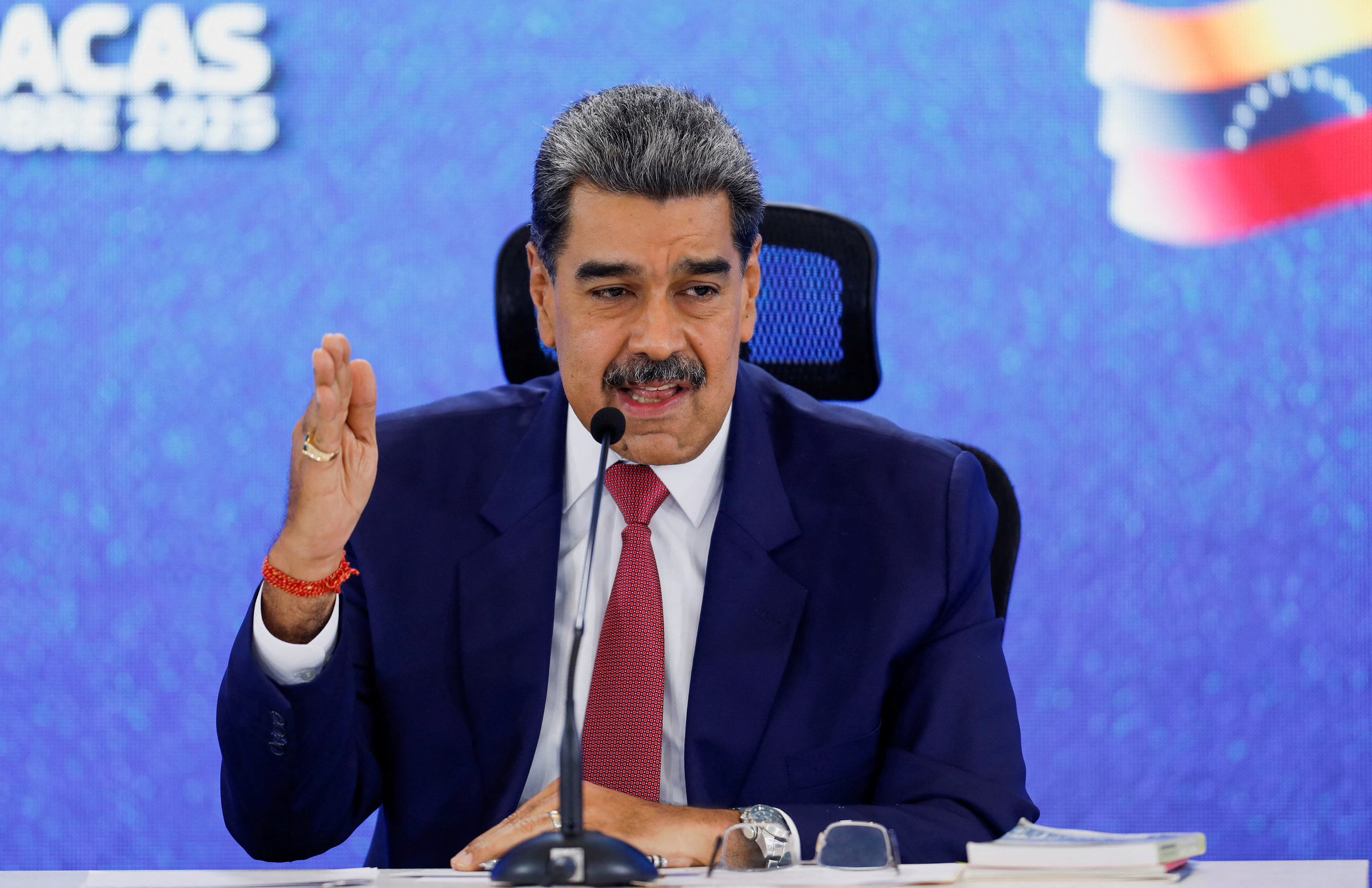 |
Venezuelan President Nicolas Maduro in Caracas in 9/2025. Photo: Reuters |
Whether courts will consider this argument based on Mr. Maduro's presidential office remains an open question. However, in the indictment announced on 3/1, the US Department of Justice referred to him as the "de facto but illegitimate ruler" of Venezuela.
Vladeck believes the proceedings "will not be easy, especially with charges directly targeting Mr. Maduro himself".
The US Attorney's Office for the Southern District of New York (SDNY), led by Jay Clayton, will handle the case against Mr. Maduro and Ms. Flores, with assistance from assistant US attorneys from the National Security and International Narcotics Unit. The US brought charges against Mr. Maduro after a lengthy investigation by the US Drug Enforcement Administration (DEA).
Due to the complexity of the case and questions surrounding the legality of the arrest, head-of-state immunity, Mr. Maduro's choice of defense counsel, and litigation strategy will be crucial. It is currently unclear who will legally represent Mr. Maduro and Ms. Flores in court.
Thanh Tam (According to CNN, AP, NYTimes)