On 6/1, the US Department of State added 25 countries, primarily from Africa, Latin America, and South Asia, to the list requiring a bond for entry. The policy for these nations will take effect on 21/1.
These countries include Algeria, Angola, Antigua and Barbuda, Bangladesh, Benin, Burundi, Cabo Verde, Cote d'Ivoire, Cuba, Djibouti, Dominica, Fiji, Gabon, Kyrgyzstan, Nepal, Nigeria, Senegal, Tajikistan, Togo, Tonga, Tuvalu, Uganda, Vanuatu, Venezuela, and Zimbabwe.
The current list requiring a bond for visa applications now includes 38 countries. The 13 countries previously on the list were Bhutan, Botswana, Central African Republic, Guinea, Guinea Bissau, Namibia, Turkmenistan, Mauritania, Sao Tome and Principe, Tanzania, Gambia, Malawi, and Zambia.
"Anyone traveling on a passport issued by one of these countries, if determined eligible for a B1/B2 visa, must deposit a bond of 5,000 USD, 10,000 USD, or 15,000 USD," according to an announcement on the US Department of State website. The specific amount will be determined at the time of the visa interview.
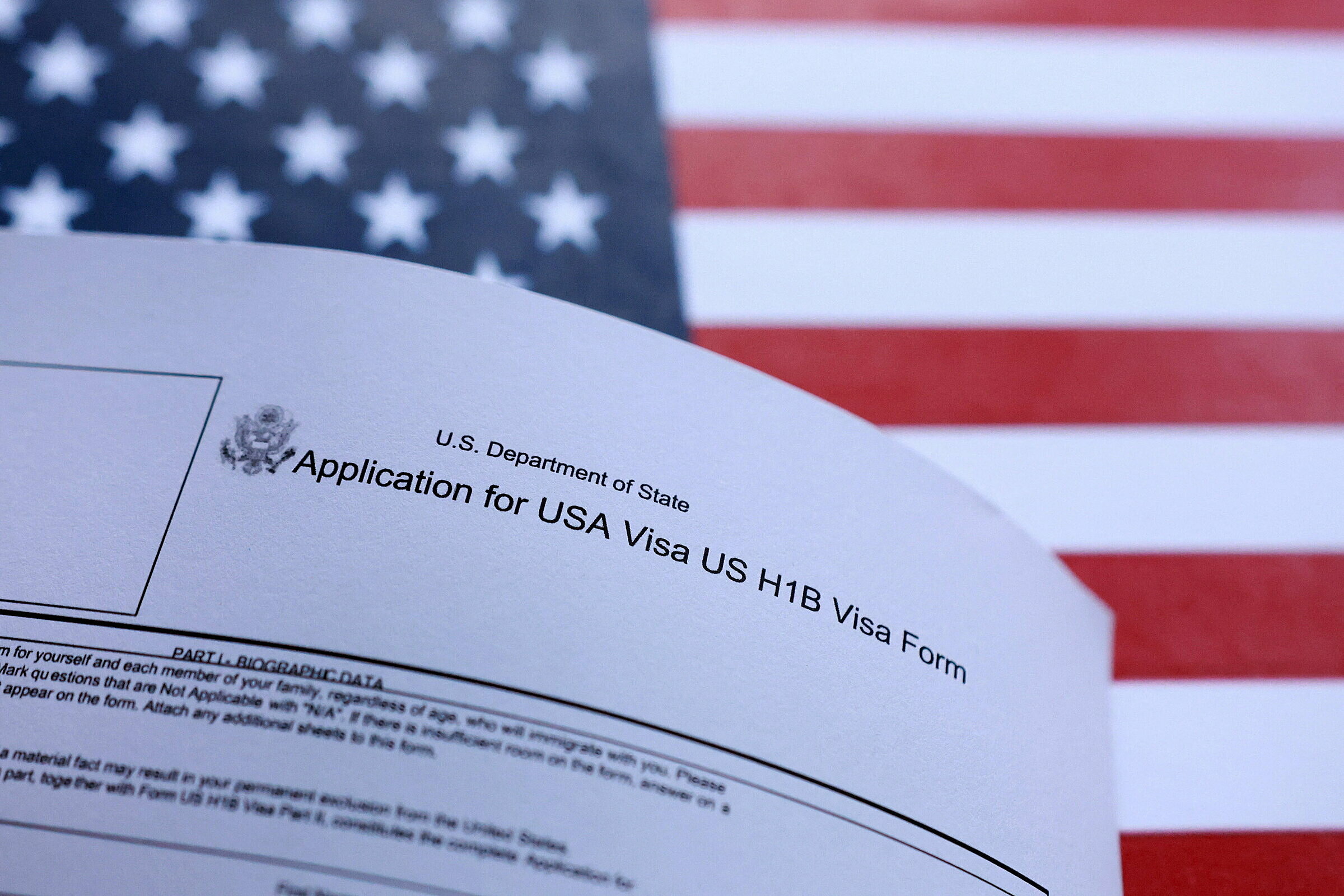 |
A sample US visa application form. *Photo: Reuters*
According to the US Department of State, visa applicants must agree to the terms of the bond through the US Department of the Treasury's Pay.gov online payment platform.
The US Department of State launched a pilot program in 8/2025 with an initial list of 6 countries. The US government stated that this bond aims to prevent foreign citizens from overstaying their visas while traveling or working.
Submitting a bond does not guarantee visa approval. However, the amount will be refunded if the application is rejected or if the approved individual departs the US on time and complies with stay conditions.
Since returning to the White House in 1/2025, US President Donald Trump has implemented strict immigration policies, including deportation campaigns, visa and green card revocations, and reviews of immigrants' social media posts and past statements.
The Trump administration also tightened US entry conditions, with measures including requiring visa applicants to attend in-person interviews, declare years of social media history, and provide detailed information about their own and their family's travel and residency history.
By Huyen Le (According to Reuters, Axios)