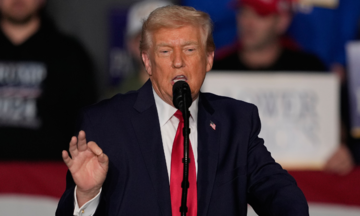
The US Supreme Court on December 4 approved a request from Texas officials to overturn a lower federal court ruling, permitting the state to use a new electoral map drawn to favor the Republican party. The decision was issued as an unsigned order with a 6-3 ratio, revealing a clear division between the conservative and three liberal justices.
Previously, the lower court concluded that the map showed signs of racial discrimination, violating the US Constitution. The new map fragmented concentrated communities of color, dispersing them into predominantly white, conservative districts and creating no additional majority-minority districts.
The Supreme Court stated that the lower court had "improperly interfered with ongoing primary election activities", disrupting the balance between federal and state levels. The Court also noted that the lower court erred by not requiring the plaintiffs suing the Texas government to propose a viable alternative map.
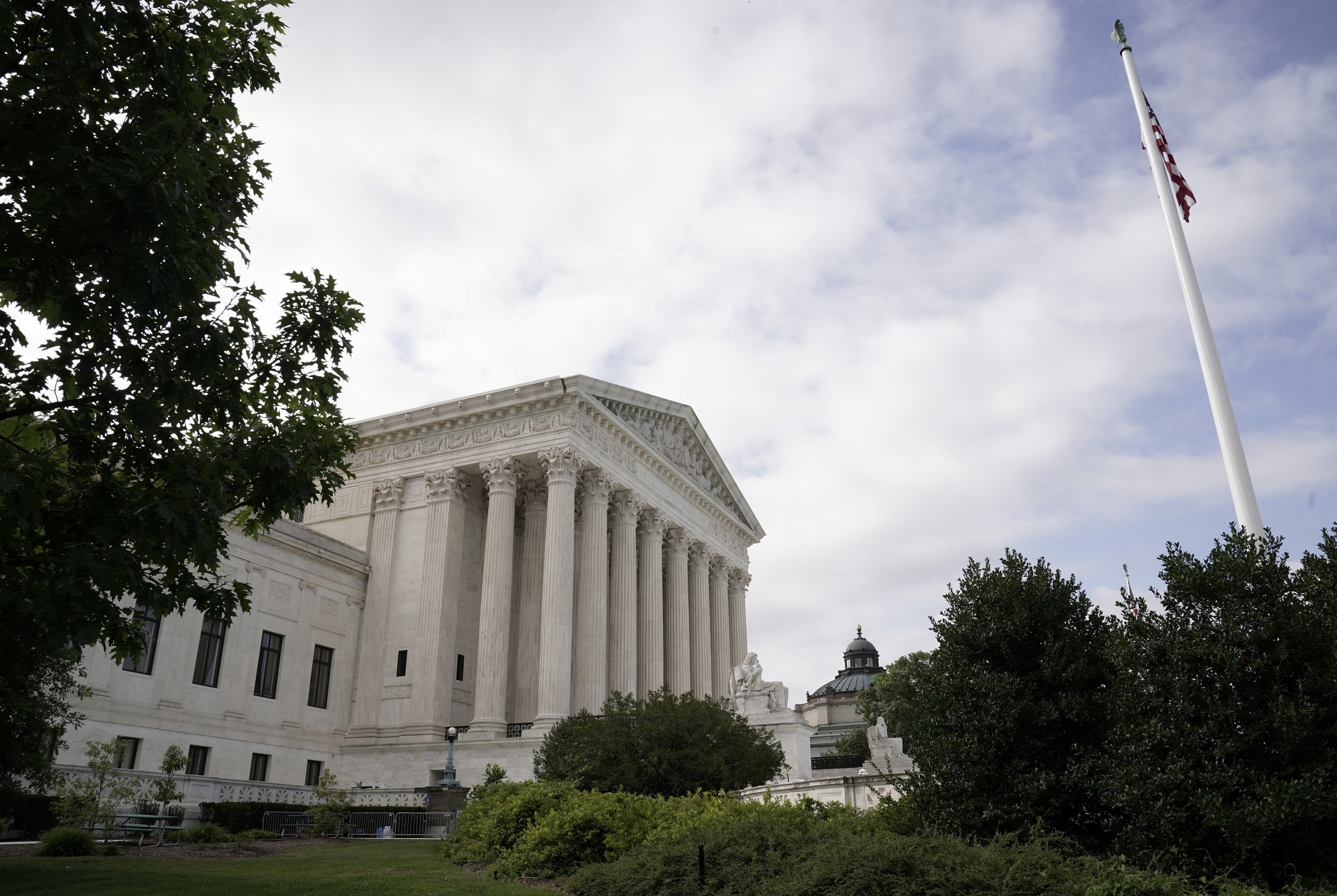 |
The US Supreme Court in Washington, DC in June 2021. Photo: Reuters |
Justice Elena Kagan, representing the three liberal justices, criticized the conservative majority for disrespecting the lower court's ruling, which a judge appointed by Trump had drafted.
"With the Court suspending the lower court's ruling, Texas's new map will govern next year's elections with partisan advantages. This also ensures that many Texas citizens will be assigned to electoral districts based on their race without sufficient justification," Kagan wrote.
Texas Attorney General Ken Paxton, a Republican, hailed this as a "major victory", stating it accurately reflects the state's political environment and blocks erroneous lawsuits from the left. Conversely, the National Association for the Advancement of Colored People (NAACP) continued to criticize the new electoral map, noting that Texas's population is only 40% white, yet white voters control over 73% of the state's House seats.
Texas currently holds 38 House seats, second only to California with 52 seats. Republicans hold 25 of these 38 seats. The new map could shift up to five House seats currently held by Democrats to Republicans. Redrawing voting district maps in Texas is part of the Republican party's efforts to maintain control of the House in the 2026 midterm elections.
The Republican party currently holds a majority in the House, but by a slim margin over Democrats, with 219 seats compared to 213 seats. The prospect of losing control of the House or Senate in the November 2026 elections threatens Trump's agenda, potentially paving the way for Democratic-led investigations targeting the president.
Thanh Danh (According to Reuters)