The United Kingdom Maritime Trade Operations (UKMTO) reported the latest attack in the Strait of Hormuz involved an oil tanker. Regional military authorities recorded the incident at 13:05 UTC on 7/7 (20:05 Hanoi time).
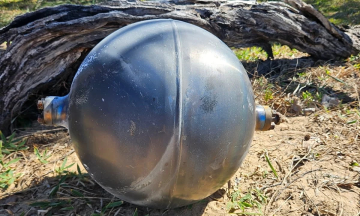
"The oil tanker was attacked by an unidentified unmanned aerial vehicle (UAV), sustaining minor structural damage. No casualties or environmental impact were reported. The vessel continued its voyage to the next port", UKMTO stated.
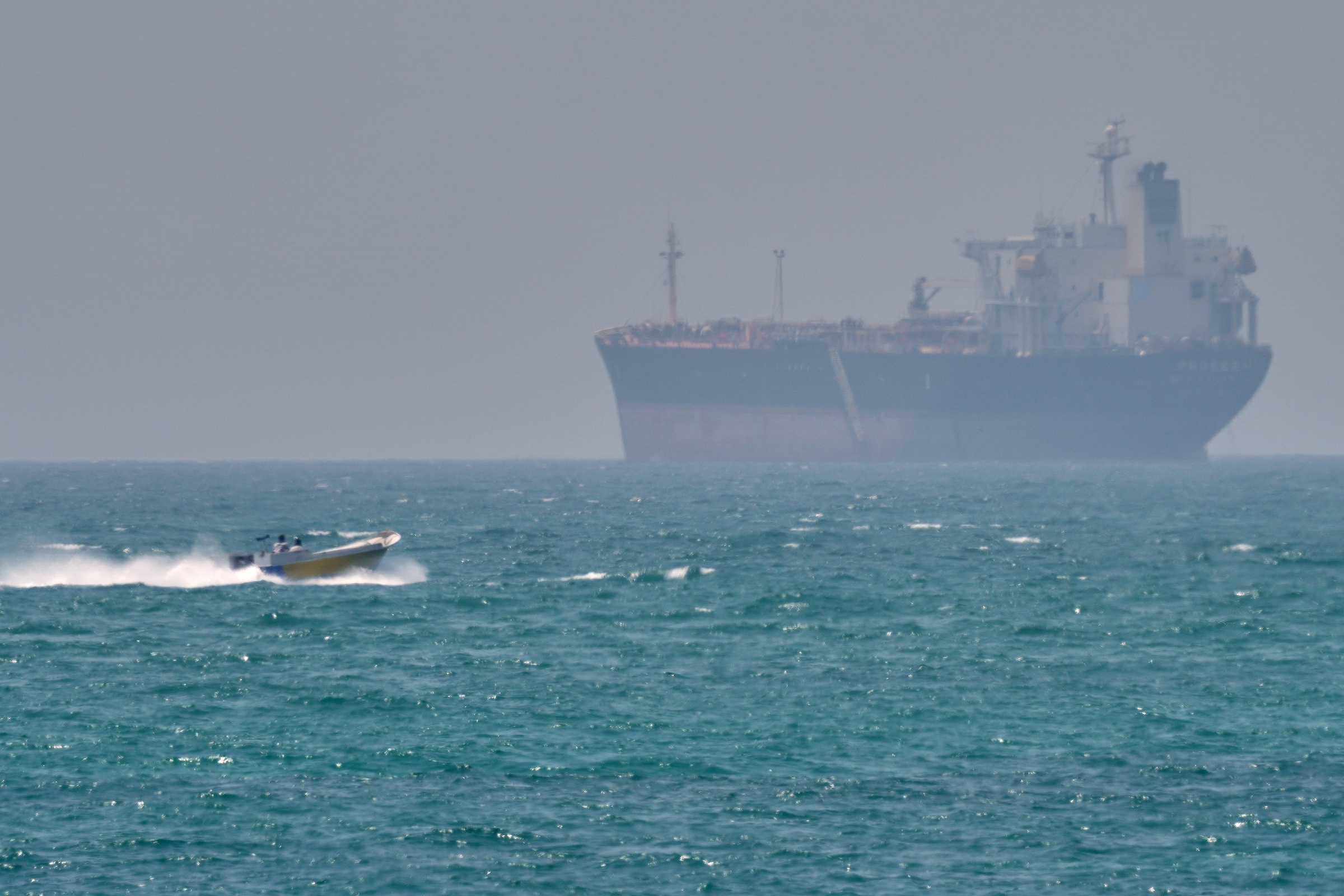 |
An oil tanker anchored near Iran's Qeshm Island, Strait of Hormuz area, 18/4. *Photo: AP* |
This incident brings the total number of cargo ship attacks in the strategic Middle Eastern strait over the past 24 hours to three. All occurred near the coast of Oman. UKMTO advised vessels transiting the Strait of Hormuz to exercise extreme caution and report any suspicious activity immediately.
The two previously targeted vessels included Qatar's liquefied natural gas (LNG) carrier Al-Rekayyat and a Saudi Arabian-flagged crude oil tanker, likely the supertanker Wedyan, according to informed sources.
This marks the first time a Qatari LNG vessel has been targeted since the Iran conflict escalated in late February. A recording of the Al-Rekayyat captain's radio communication, revealed to Reuters, indicated the vessel was at risk of exploding due to a fire in the engine room.
Qatari Foreign Ministry Spokesperson Majed Al Ansari attributed the Al-Rekayyat incident to Iran, calling it "an unacceptable attack on the security and safety of international maritime operations."
Al Ansari stated that the attack constituted a violation of international maritime security and global energy supplies. Qatar urged Iran to immediately cease all actions detrimental to regional security and threatening international maritime safety. Doha declared that Tehran bears full legal responsibility for the attack, as well as any resulting damages or consequences.
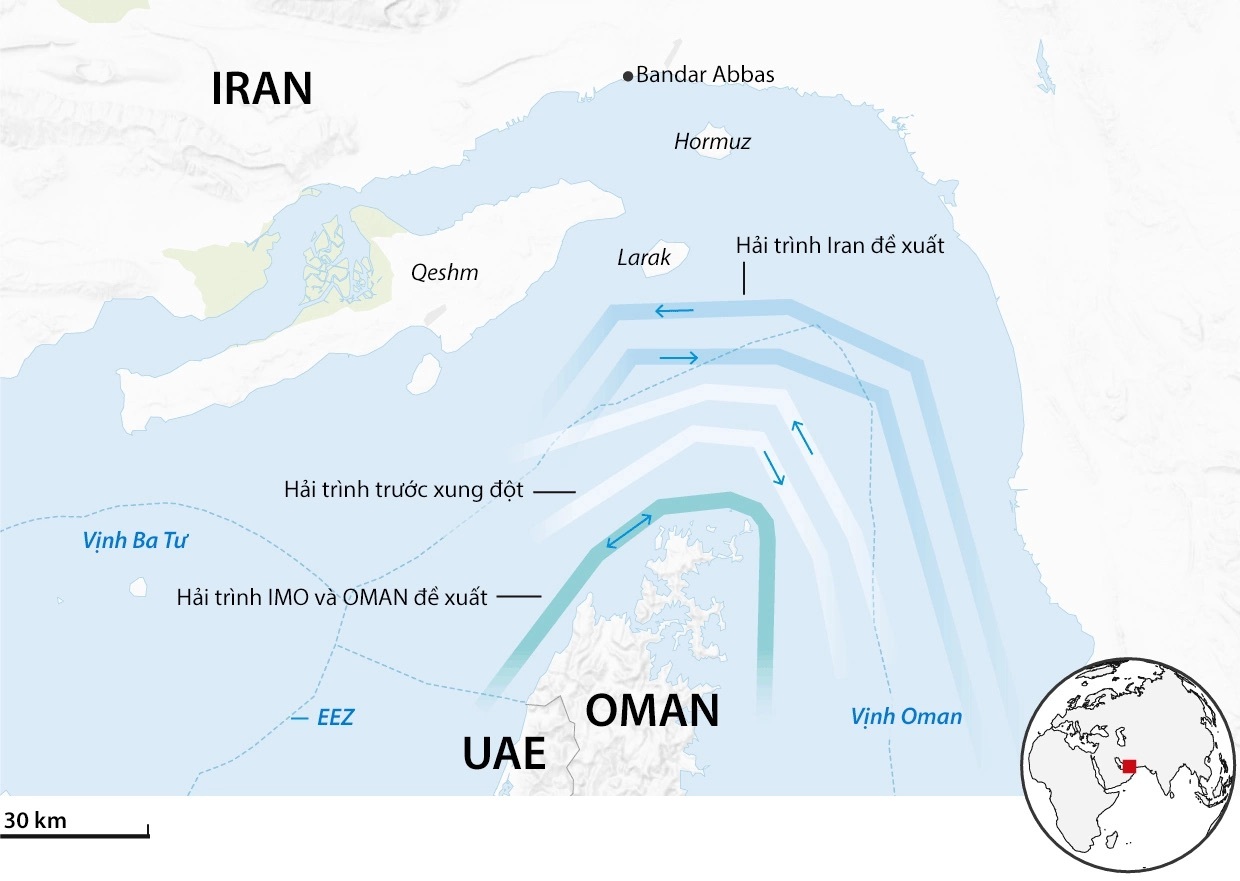 |
Maritime routes through the Strait of Hormuz. *Graphic: Guardian* |
Iranian officials have not yet commented on the series of cargo ship attacks. Tehran has recently declared that the only corridor vessels are permitted to use is the route along its coast. All transit through Hormuz must be coordinated by Iranian forces, and other routes are "unacceptable and extremely dangerous."
In June, Oman and the International Maritime Organization (IMO) collaborated to open a transit lane through Omani territorial waters to allow cargo ships and their crews stranded in the Persian Gulf to depart. This alternative maritime route directly undermined Iran's control over Hormuz, prompting immediate protests from Tehran.
According to a 14-point memorandum between the United States and Iran signed last month, Iran and Oman, along with other Gulf countries, will discuss a mechanism for managing and providing maritime services in the Strait of Hormuz. However, Tehran has repeatedly stated it will not revert to the pre-conflict mechanism, which allowed vessels free passage through this strategic maritime route.
By Thanh Danh (AFP, Al Jazeera, Reuters)