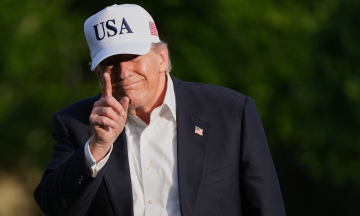
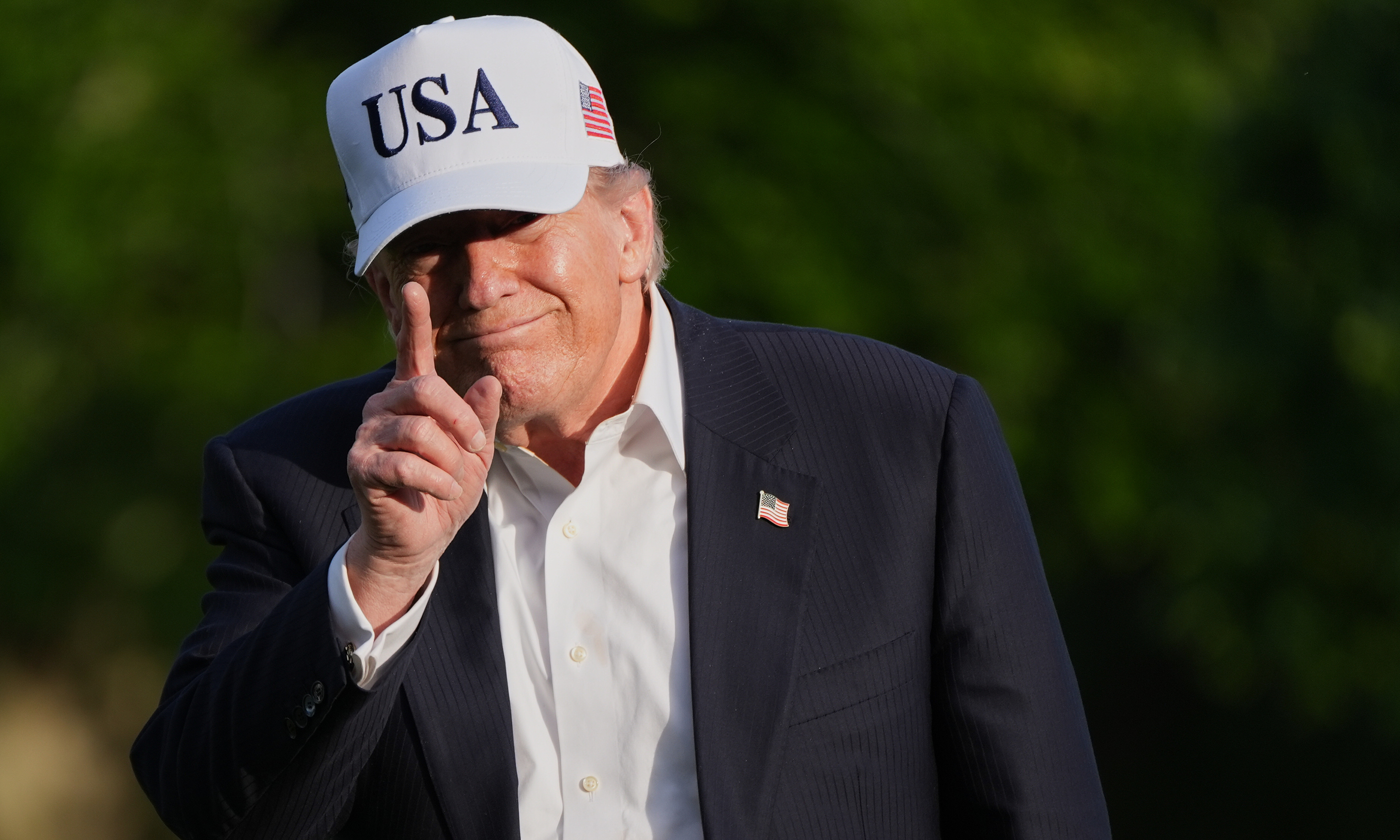
US President Donald Trump announced on Truth Social on 18/5 that he "would postpone the planned military attack on the Islamic Republic of Iran, scheduled for tomorrow (19/5)".
According to the President, he received this request from leaders of Qatar, Saudi Arabia, and the United Arab Emirates (UAE) amid "serious negotiations currently underway".
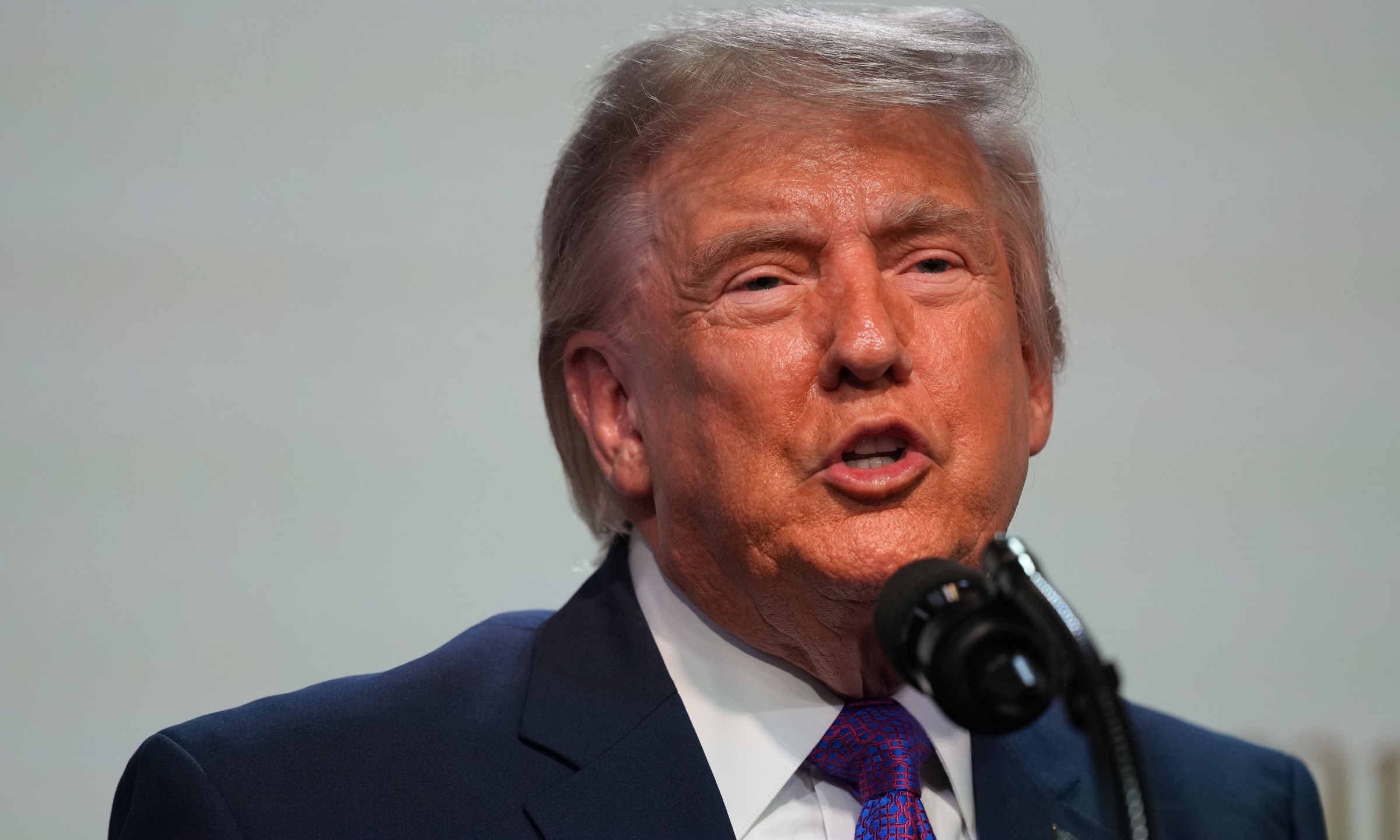 |
President Donald Trump speaking at the Eisenhower Executive Office Building on the White House grounds on 18/5. *Photo: AP* |
"Gulf allies are confident that an agreement will be reached, including a provision that Iran will not be allowed to possess nuclear weapons," the President stated. He added that he had informed the US military "not to carry out the attack on Iran as planned".
However, he also said he had "instructed them to be ready to launch a full-scale, large-scale attack on Iran immediately upon order, should a reasonable agreement not be achieved".
After returning from a visit to China, Trump consistently issued increasingly aggressive warnings to Iran. On 17/5, he said "time is running out" and Iran "would have nothing left" if a peace deal could not be agreed upon.
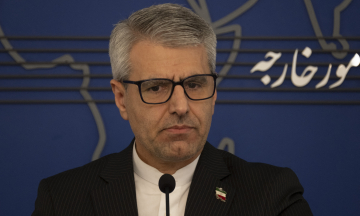
Iran's Fars News Agency later reported that Washington had presented a 5-point list of conditions. These conditions included a demand for Iran to retain only one nuclear facility and transfer its highly enriched uranium stockpile to the US.
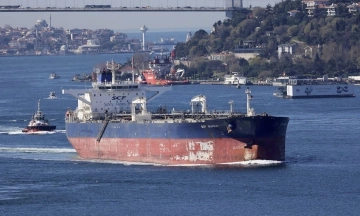
According to the news agency, Iran's proposal emphasized that Tehran would continue to manage the strategic Strait of Hormuz. This vital energy shipping route had been largely blockaded since the conflict erupted in late February.
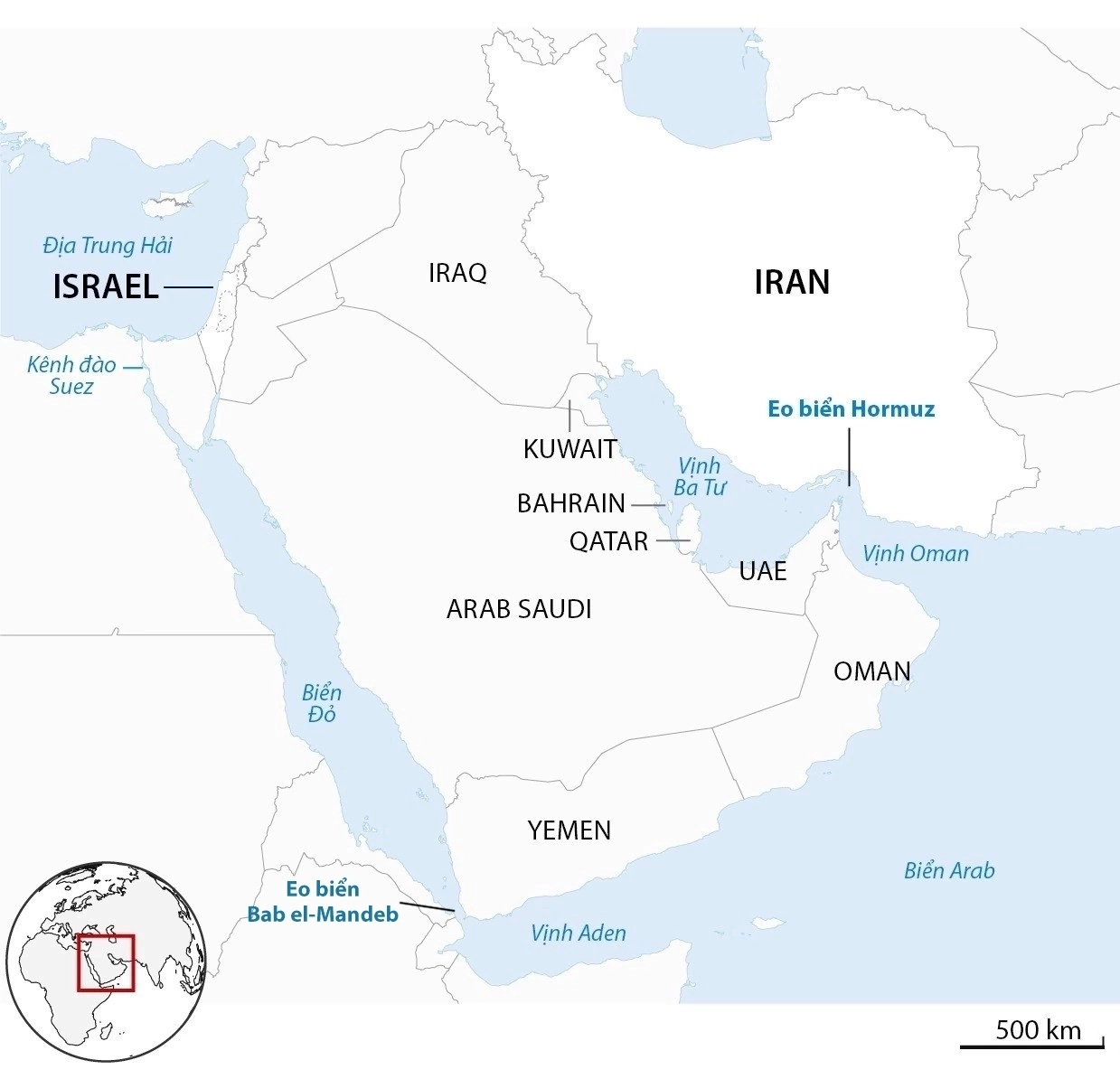 |
Location of the Strait of Hormuz. *Graphic: Guardian* |
On 18/5, the Persian Gulf Strait Authority (PGSA), a new body established by Iran to manage the Strait of Hormuz, announced it would provide "real-time updates" on X about all activities and developments in the waterway.
President Trump, meanwhile, insisted that Iran must open the Strait of Hormuz as part of any peace agreement.
By Vu Hoang (AFP)