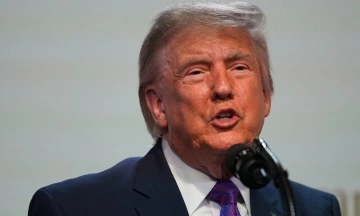
US Treasury Secretary Scott Bessent announced on 18/5 via social media that a 30-day license would help the most vulnerable nations access Russian oil stranded offshore.
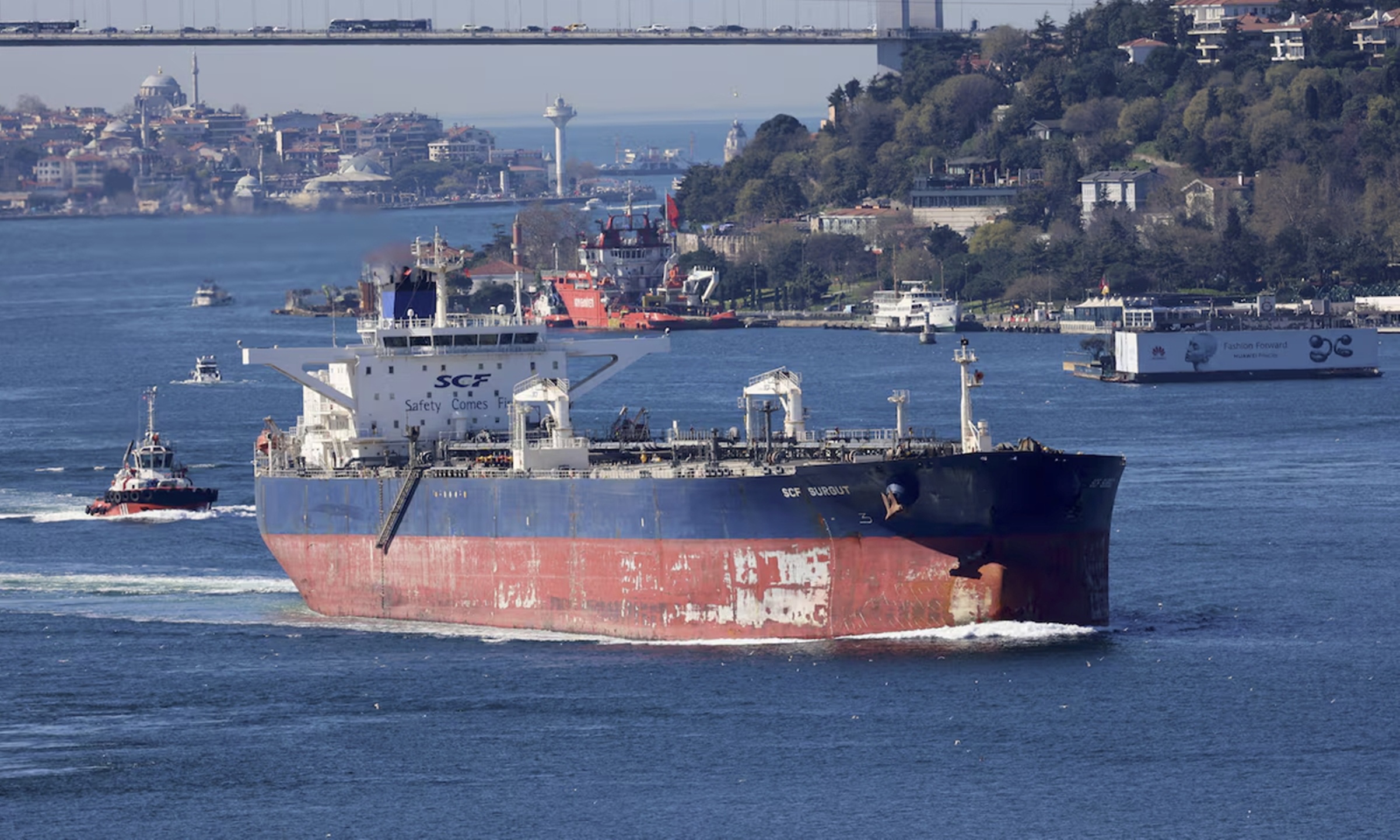 |
The crude oil tanker SCF Surgut, belonging to Russia's Sovcomflot group, passes through the Bosphorus Strait in Istanbul, Turkey, in 4/2024. Photo: Reuters |
Bessent emphasized the extension would "increase flexibility and crude oil market stability, ensuring oil reaches the most energy-challenged nations."
The US Treasury Department's license states the new sanctions waiver will be effective until 00:01 on 17/6, US Eastern time. This measure, similar to prior waivers, prohibits transactions involving individuals or companies from Iran, North Korea, Cuba, and Ukrainian territories controlled by Russia.
This marks the second time President Donald Trump's administration has extended the waiver for Russian oil, aiming to address fuel supply shortages stemming from the conflict in Iran.
Democratic Senators Jeanne Shaheen and Elizabeth Warren criticized the action, labeling it a "gift" to Russian President Vladimir Putin. They argued that every USD the Kremlin earns from this license helps President Putin finance the campaign in Ukraine. Furthermore, the two senators contended the sanctions relaxation would not lower domestic gasoline prices or stabilize the global energy market.
 |
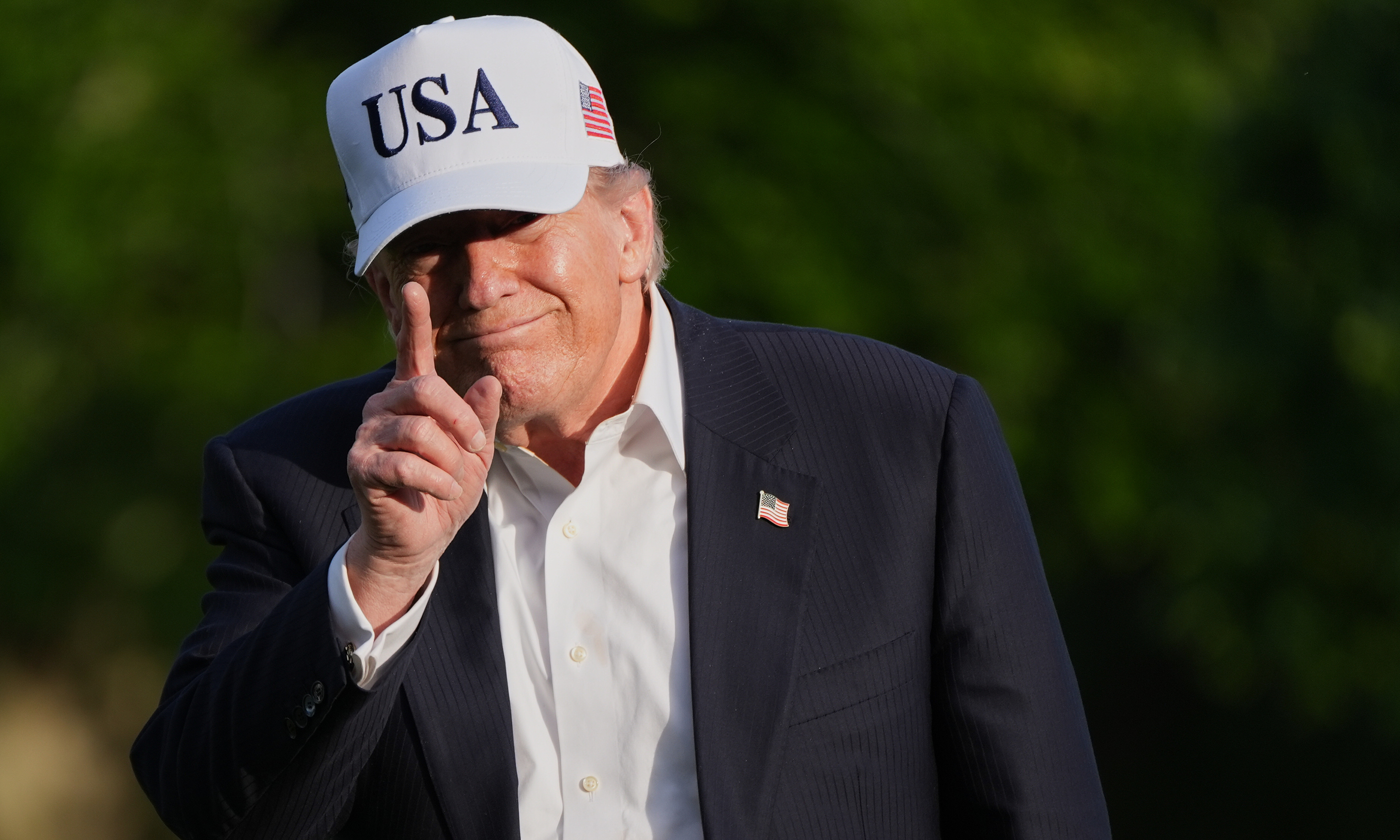
The US Treasury Secretary in France on 18/5. Photo: Reuters |
Last year, the Trump administration imposed sanctions on two Russian oil corporations, Rosneft and Lukoil. This move aimed to cut off Russia's revenue and pressure the country to end its campaign in Ukraine.
However, following US and Israeli attacks on Iran that surged world oil prices, the US Treasury Department in 3/2024 first granted a waiver for Russian oil. This aimed to alleviate supply shortages and ease global oil prices. The waiver specifically applies to "existing stock" oil shipments that had already departed port, excluding newly extracted oil from Moskva.
On 18/5, Brent crude oil futures rose by about 2,6%, closing above 112 USD per barrel. This increase stemmed from growing concerns about tight supply, particularly with the Strait of Hormuz remaining blocked.
Vu Hoang (According to AFP, Reuters)