"I don't want to comment on that. The answer is yes", US President Donald Trump stated on November 30, addressing reports that he had spoken by phone with Venezuelan President Nicolas Maduro.
Trump declined to disclose the content or outcome of the discussion, emphasizing it was "just a phone call". The US leader stressed, "don't read anything into it", when asked if his previous threat of an airspace blockade meant the US was about to attack Venezuela.
Senator Markwayne Mullin, a member of the US Senate Armed Services Committee, revealed on the same day that Washington had offered Maduro "an opportunity to leave the country" for Russia or another nation.
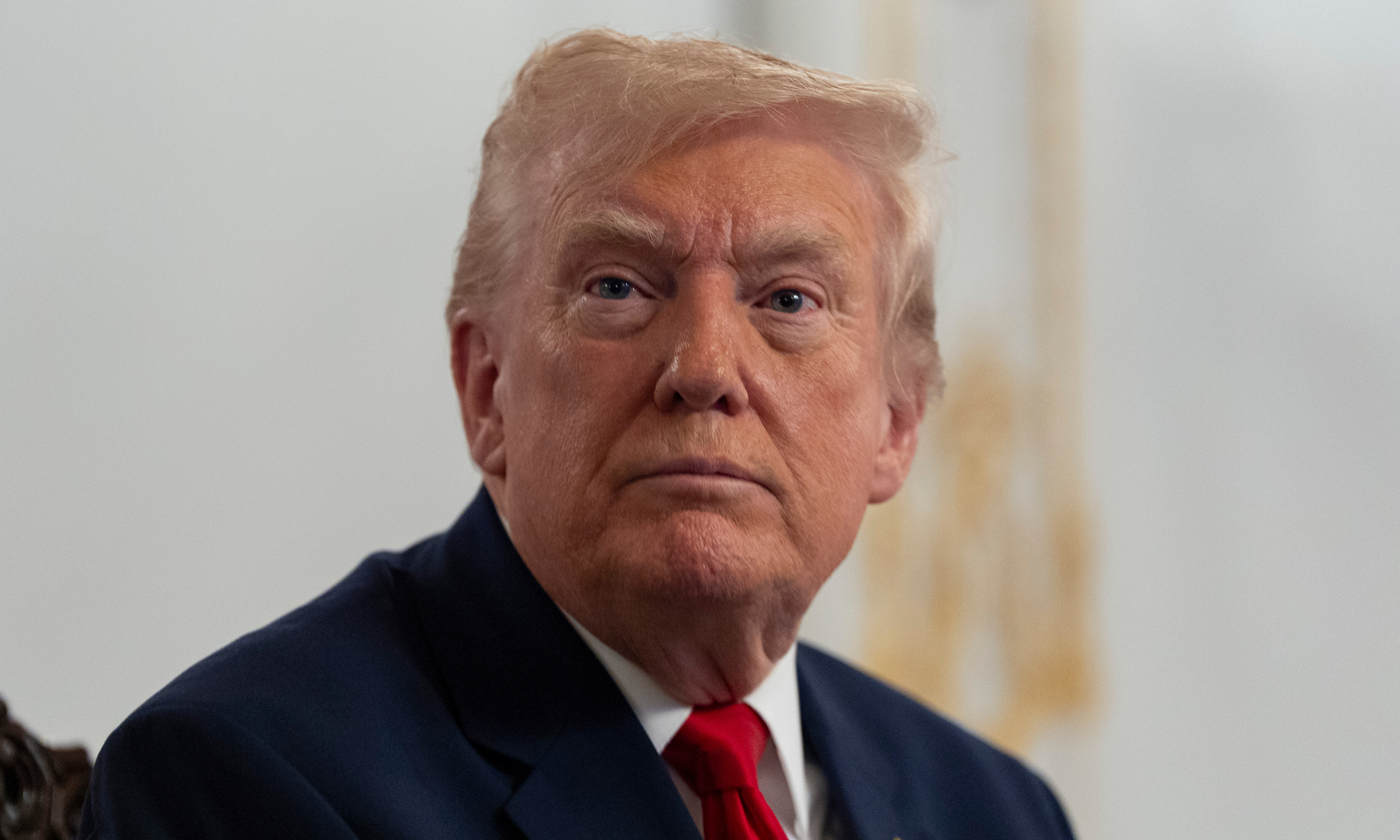 |
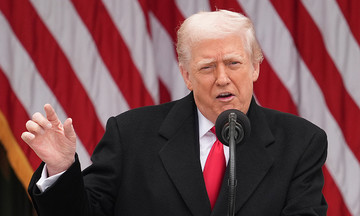
US President Donald Trump at his Mar-a-Lago residence on November 27. Photo: AP |
Regarding the possibility of President Trump ordering an attack on Venezuela, Senator Mullin stated that the US leader had clarified Washington would not send troops into the South American nation, affirming its actions were about "defending its coastline".
"This is peace through strength. We won't wait to be approached; we will come to you if the country is threatened", he added, referring to US raids targeting suspected drug-carrying boats in waters near Venezuela.
Venezuelan officials have not commented on the statements by President Trump and Senator Mullin.
The US military began an anti-drug operation in the Caribbean Sea in early September, deploying a significant number of forces to the region. This raised concerns that Washington intended to overthrow the government of Venezuelan President Nicolas Maduro.
US forces currently deployed near Venezuela include the Gerald R. Ford carrier strike group, at least eight surface vessels, one special operations support ship, one attack submarine, eight F-35B stealth fighters, AC-130 gunships, transport aircraft, MQ-9 drones, and over 15,000 troops.
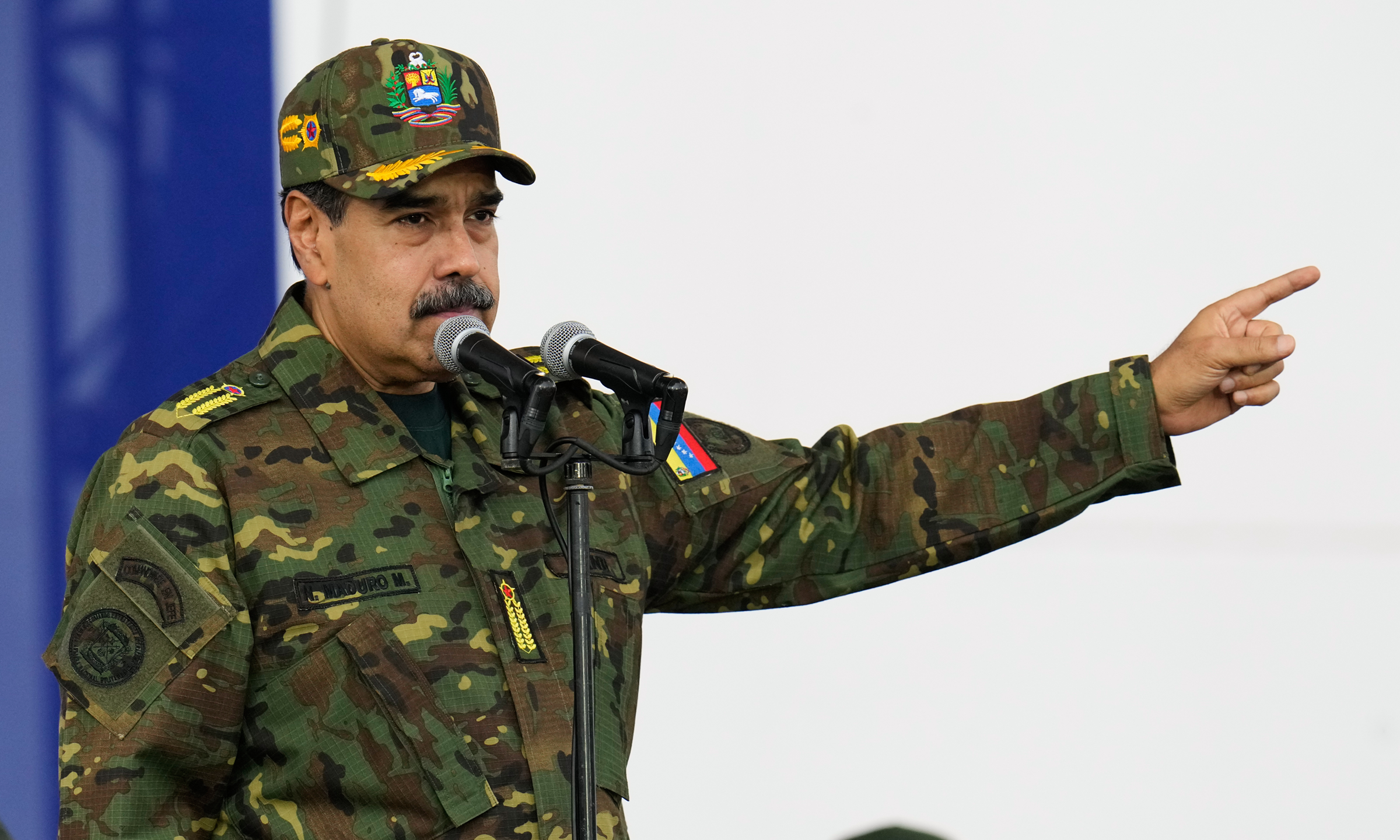 |
Venezuelan President Nicolas Maduro speaks in Caracas on November 25. Photo: AP |
While not openly threatening the use of force against his counterpart Maduro, President Trump stated on November 27 that "on-the-ground" efforts to curb drug trafficking from Venezuela would soon begin. It remains unclear if this statement implied the possibility of a US ground offensive in Venezuela or the use of long-range weapons.
Tensions escalated further after President Trump warned on November 29 that the airspace over and around the South American nation "would be blockaded".
President Maduro said the large military presence indicated a US intention for regime change in Venezuela. Venezuela's Foreign Ministry also criticized Trump's "airspace blockade" declaration, asserting it was an irrational and illegal act of aggression.
By Pham Giang (Reuters, AFP)