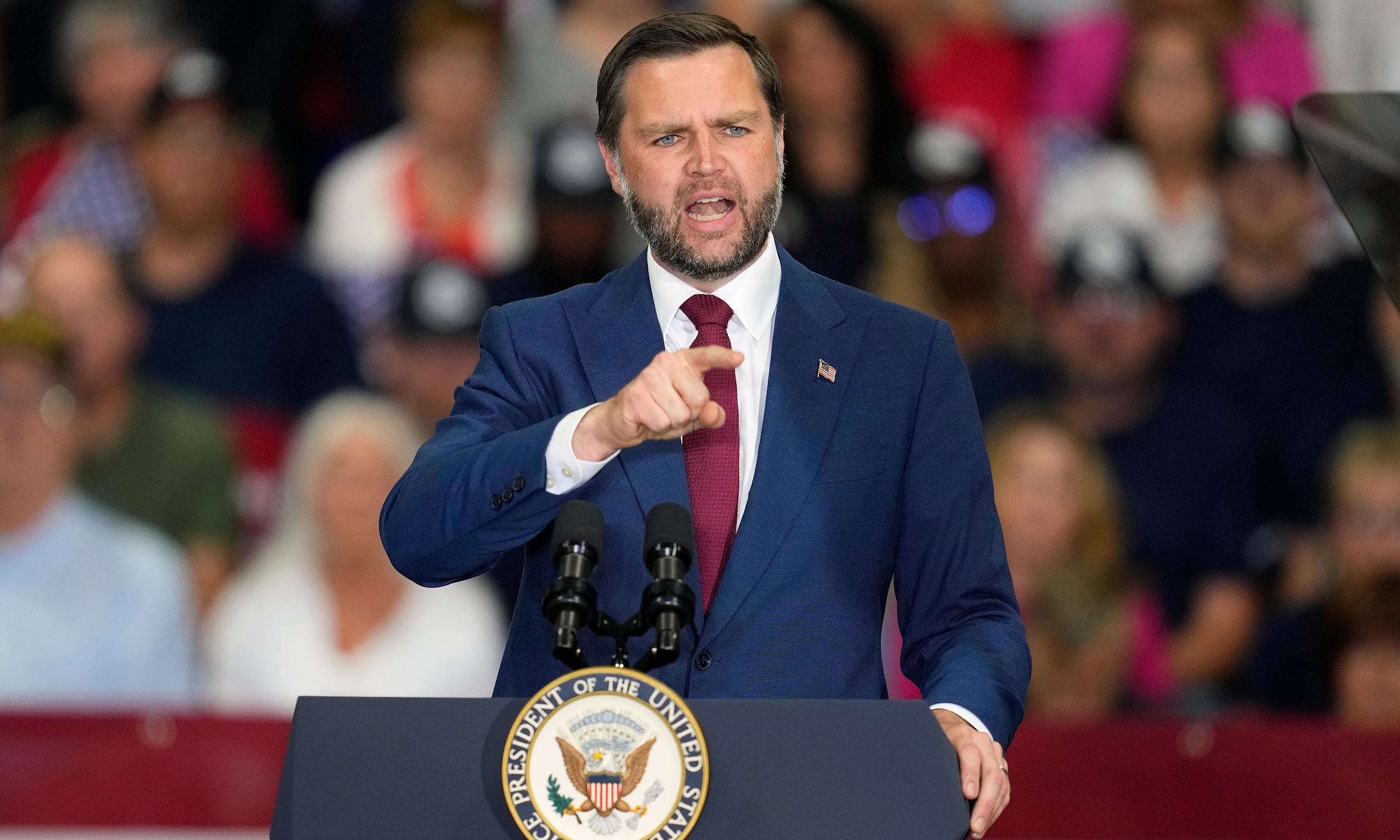
In the Oval Office on 31/8, a reporter asked US President Donald Trump if he would rule out using nuclear weapons against Iran, one day after the two nations exchanged their first direct attacks since late July.
Trump replied, "The answer is that the US does rule it out", and stressed Washington had no reason to use nuclear weapons.
"They have been completely defeated militarily. So now I have to use nuclear weapons on them? What a foolish question", he said.
The US President had previously threatened "to destroy Iran's civilization", but had never stated he would do so with nuclear weapons.
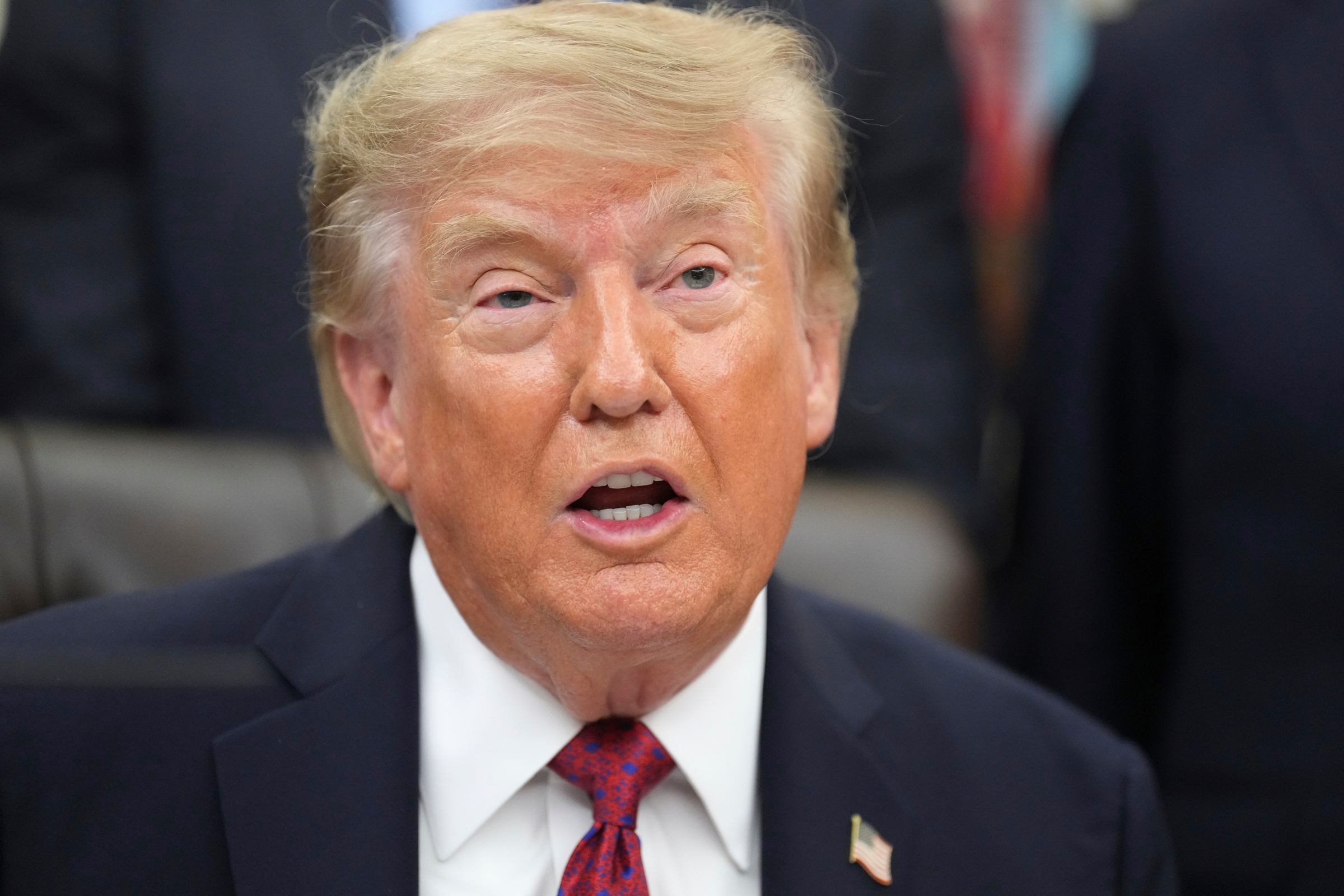 |
US President Donald Trump in the Oval Office at the White House on 31/8. Photo: AP
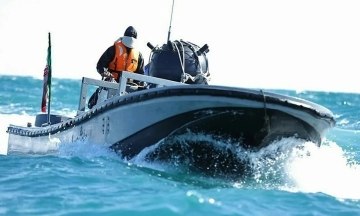
The Oval Office exchange followed the US Central Command (CENTCOM) announcement on 30/8 that its forces had attacked two Iranian rocket launchers on Larak island, near the Strait of Hormuz. The targets were attacked after the US detected Iranian personnel preparing to launch rocket-propelled naval mines into the Strait of Hormuz.
Iran's Revolutionary Guard Corps (IRGC) announced it had launched ballistic missiles and unmanned aerial vehicles (UAVs) at bases housing US forces in Jordan and the United Arab Emirates (UAE) in retaliation.
This marked the first direct attack between the US and Iran since late July.
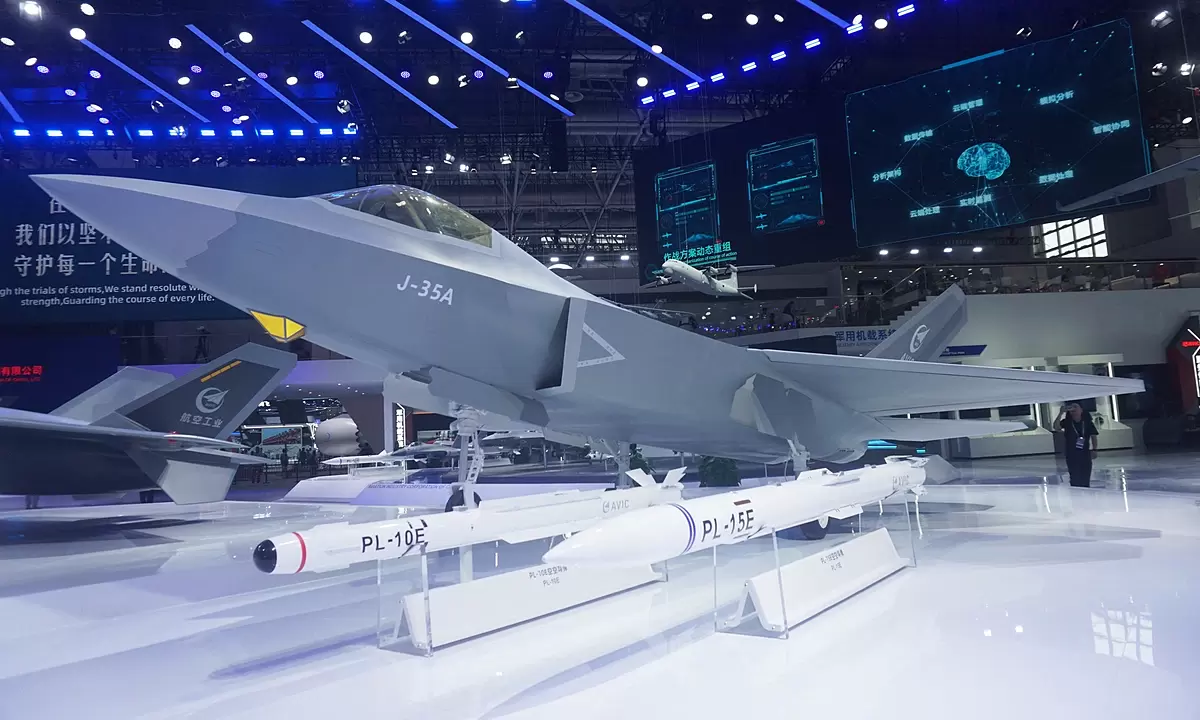
Axios, citing sources, reported that CENTCOM expressed concern Iran was actively seeking to restore its radar and missile capabilities near the Strait of Hormuz. The recent launch of a missile towards a US F-35 fighter jet, which was escorting vessels through the strait, further heightened Washington's vigilance.
Sources told Axios that the missile did not fly close enough to threaten US aircraft, but indicated Iran was restoring its military capabilities in the region, potentially forcing the US to resume airstrikes.
President Trump declared on 31/8 that the US "will take action in response" to Iran's attacks. "We will hit them hard", he said.
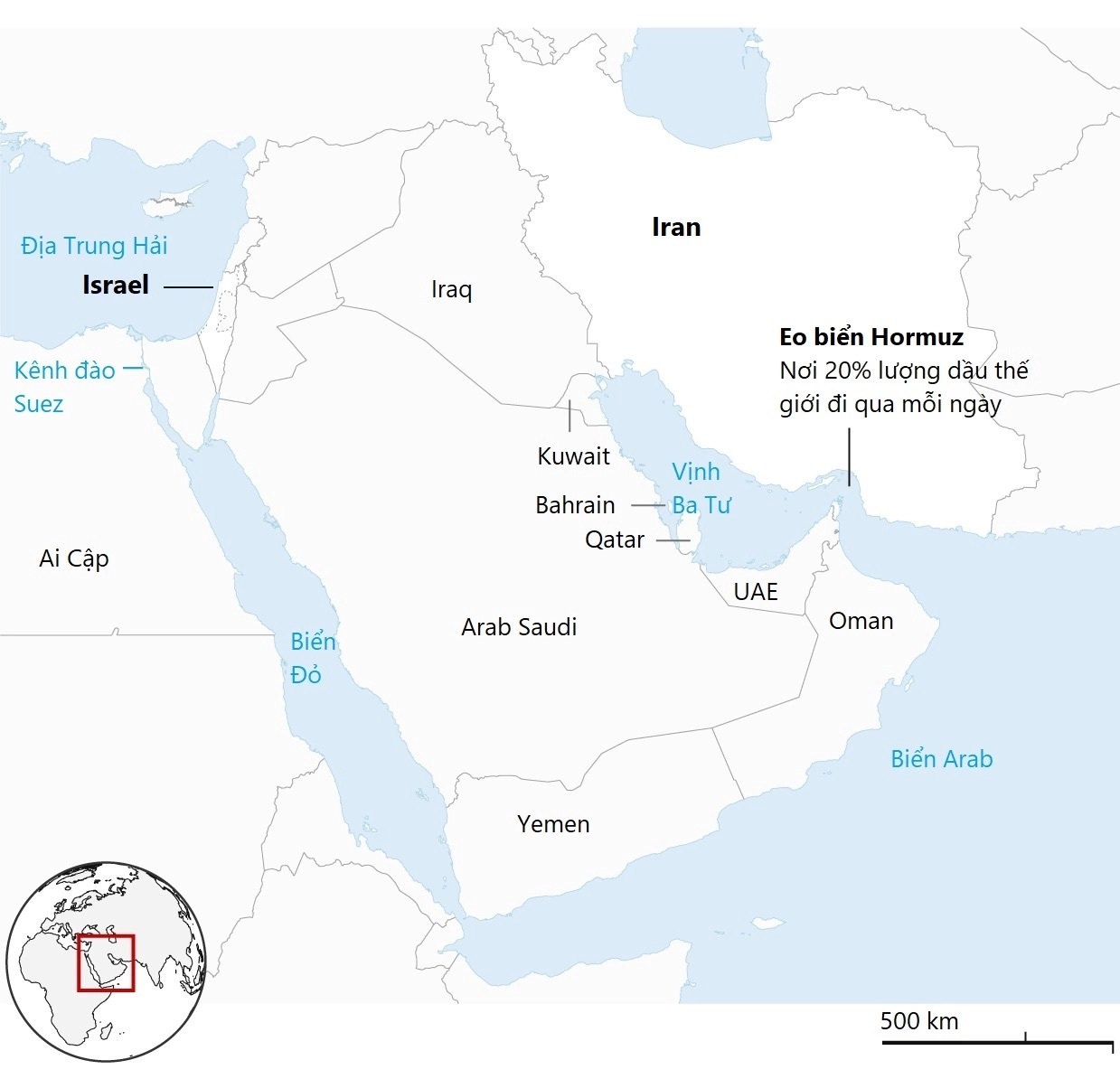 |
Location of Iran and the Strait of Hormuz. Graphic: Guardian
Iran claimed the IRGC had shot down a US UAV over the Hormuz region that same evening. Concurrently, the Khatam al-Anbiya Central Command reiterated its warning to neighboring countries not to allow the US to use their territory for attacks against Iran.
Tehran has repeatedly stated it would only allow the resumption of maritime activity through the Strait of Hormuz, which accounts for about 20% of global oil and gas supplies, if Washington adhered to the terms of the agreement signed by both parties in June.
President Masoud Pezeshkian affirmed on 1/9 that "if the US returns to fulfilling the commitments of the memorandum, Iran will also immediately take corresponding action".
Thanh Tam (According to Times of Israel, Reuters)