"Yes, I told him not to do it, and he won't do it again," US President Donald Trump stated at the White House on 19/3, when asked if he had discussed the attacks on Iran's gas fields with Israeli Prime Minister Benjamin Netanyahu.
"You know, we act independently. The US and Israel cooperate very well. There is coordination, but sometimes he will do something. If I don't like it, we won't do it again," the US leader added.
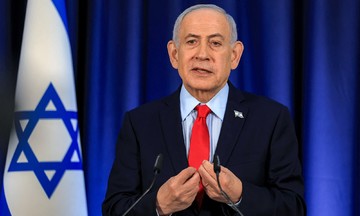
Prime Minister Netanyahu confirmed on the same day that Israel "acts alone" in the airstrike on the South Pars gas field. "President Trump asked us to suspend future attacks, and we are doing so," he said.
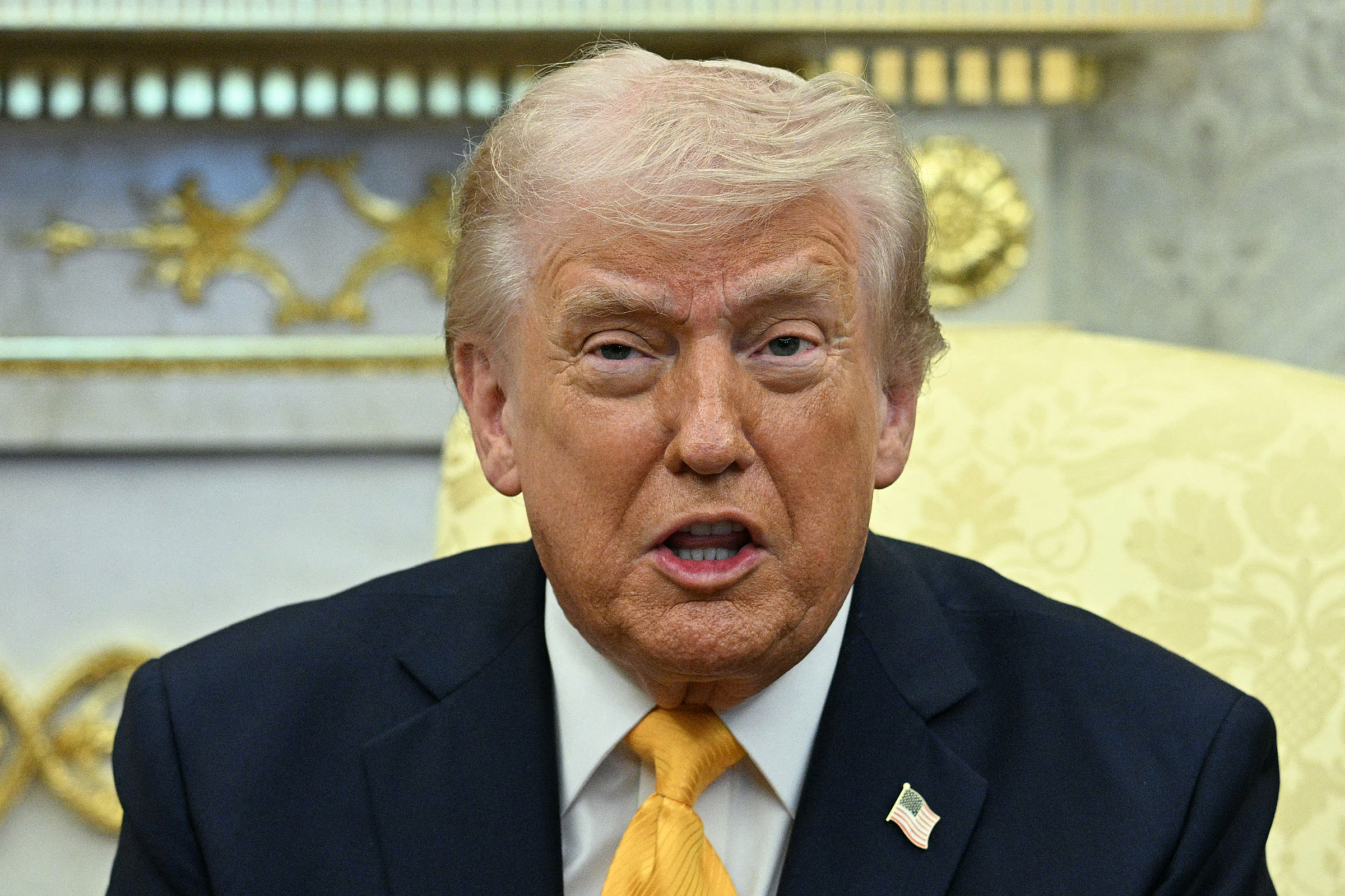 |
US President Donald Trump in the Oval Office, White House on 19/3. Photo: AFP
The Israeli leader also dismissed claims that Tel Aviv had drawn Washington into a war with Tehran. "Does anyone really think someone can tell President Trump what to do? Come on. Trump always makes decisions based on what he believes is best for America and future generations," Prime Minister Netanyahu stated.
The conflict escalated significantly following Israel's attack on Iran's South Pars gas field on 18/3. Tehran retaliated by targeting energy facilities in Persian Gulf nations, causing widespread damage to Ras Laffan, Qatar's energy hub. This incident marks a serious escalation in the conflict that began on 28/2. Israel had previously attacked several fuel depots in Iran but had refrained from targeting the country's oil and natural gas production facilities.
Following the Israeli attack, Trump posted on social media, claiming he "had no knowledge" of Israel's action. However, US sources indicated that Washington was aware of the attack despite not directly participating.
The retaliatory actions by Iran, particularly the damage at Ras Laffan, led to a surge in energy prices. Analysts warned that prolonged damage could cause global gas shortages. Trump had previously stated that the US was temporarily pausing attacks on Iranian energy facilities as the three-week conflict had driven global oil prices upward. He also cautioned that the US would launch "large-scale attacks" on the South Pars field if Iran did not cease its attacks on Qatar.
Iran responded with a firm stance, declaring it would "not hold back" if its energy infrastructure continued to be targeted. The US President affirmed that energy prices would quickly decrease once the conflict ends. However, markets remain unstable as Trump did not specify the duration of the Middle East campaign or whether the US and Israel share common objectives.
According to Trump, the campaign's goal is to ensure Iran cannot acquire nuclear weapons, while also dismantling its missile capabilities and naval forces. In contrast, Prime Minister Netanyahu stated his desire for regime change in Iran.
By Huyen Le (According to AFP, CNN, Guardian)