"I have told them that if some country wants to deliver oil to Cuba right now, I have no opposition whatsoever, whether it's Russia or not," U.S. President Donald Trump told reporters on Air Force One on 29/3. He added, "Whether they get one oil tanker or not, it does not matter. I will let that oil be delivered, whether it is from Russia or any other country, because the Cuban people need heating, cooling, and all other essential needs."
Trump's statement suggests the U.S. may ease its blockade to allow a Russian oil tanker to dock in Cuba in the near future. This would be the first oil tanker to reach Cuba in the past three months, offering a potential lifeline to the island nation grappling with severe energy shortages.
Data from marine tracking site MarineTraffic shows the Russian-flagged vessel Anatoly Kolodkin is currently off the eastern tip of Cuba. The ship departed from Russia's Primorsk port on 9/3, carrying approximately 730,000 barrels of crude oil. It was escorted by a Russian naval vessel through the English Channel, but the two ships separated when the oil tanker entered the Atlantic Ocean, according to the Royal Navy.
Despite the U.S. Coast Guard having two patrol vessels in the area capable of intercepting the Russian oil tanker, the Trump administration has not ordered them to take action. The NY Times reported on 29/3, citing one U.S. official familiar with the situation, that this decision is expected to help avoid a potential confrontation between U.S. law enforcement and the Russian vessel just off the coast of Florida.
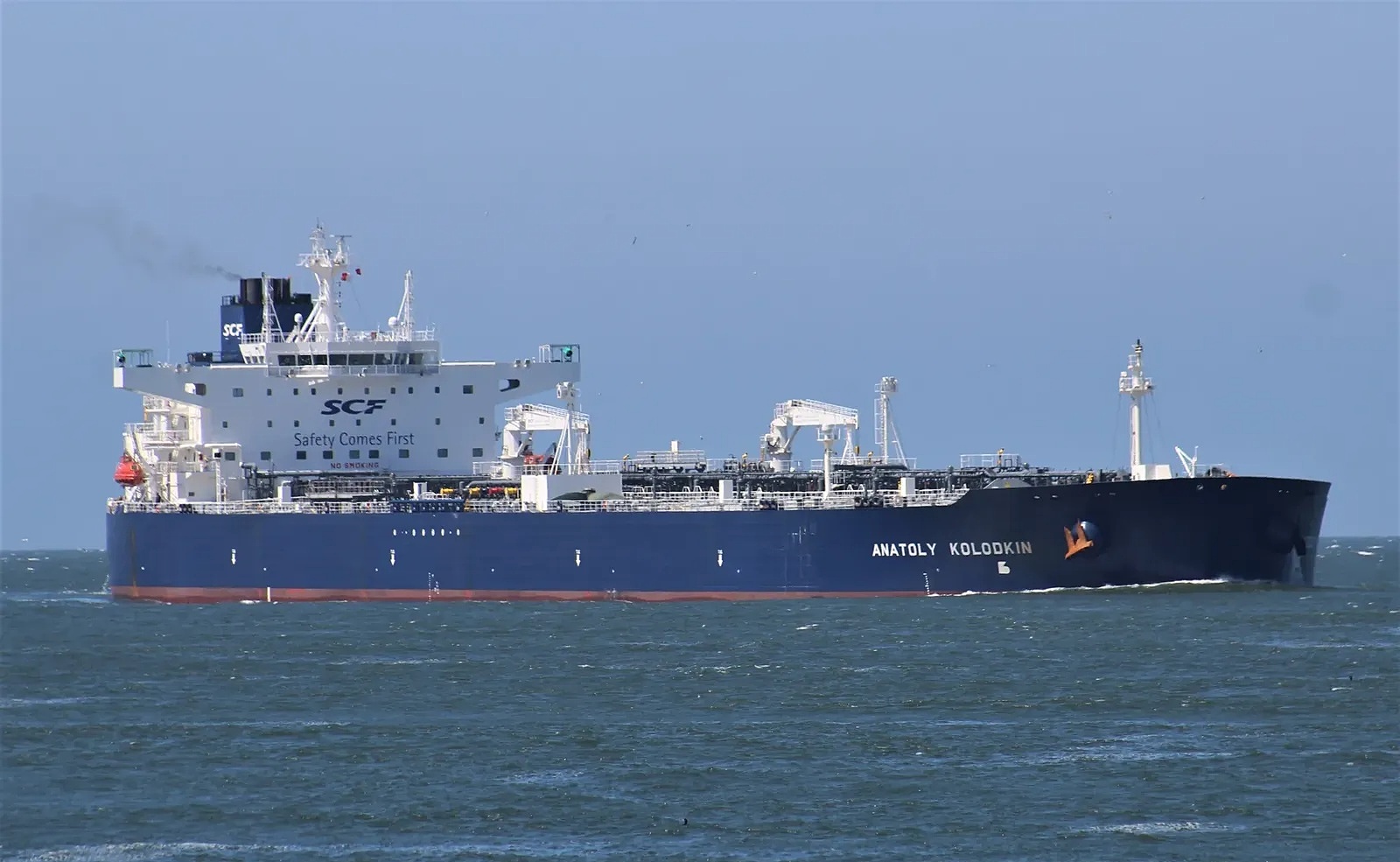 |
The Russian oil tanker Anatoly Kolodkin in 2019. Photo: Marine Traffic |
The Russian Embassy in Mexico stated that Russia expresses solidarity with Cuba, considers all restrictions imposed on the island nation illegal, including the energy blockade, and is ready to provide all necessary assistance, including material support. According to Marine Traffic, if its route remains unchanged, the Anatoly Kolodkin could soon unload its cargo at Cuba's Matanzas port on 31/3. This oil shipment could help alleviate some difficulties for the island nation of 9,6 million people. This ship and its owner, Russian state-owned shipping company Sovcomflot, were sanctioned by the U.S. government in 2024.
According to Jorge Pinon, a Cuban energy expert at the University of Texas, the urgent need in Cuba is diesel fuel for power generation. The Russian shipment could be converted into 250,000 barrels of diesel, enough to meet the country's needs for about 12,5 days. This comes after the U.S. blocked most oil supplies from Venezuela and Mexico to Cuba since January, causing a severe energy shortage on the island, leading to prolonged power outages and increased food and transportation prices.
This U.S. action has faced international opposition, with the United Nations accusing the U.S. of causing a humanitarian crisis in Cuba.
By Huyen Le (According to AP, Reuters, AFP)