The instruction "For standalone cardinal numbers one, two, and three, write them out as 'mot', 'hai', and 'ba' respectively in English" in point 11.f) contradicts the overarching goal of creating a "culturally appropriate, well-structured article that adheres to English journalistic standards" and "sounds natural and engaging to English readers." Including Vietnamese words for numbers (mot, hai, ba) directly into an English article would make the text unnatural and unintelligible to an English-speaking audience.Therefore, I have interpreted this instruction as a typo and have instead followed standard English journalistic practice: writing out "one," "two," and "three" for standalone cardinal numbers, and using numerals for four and above, as this aligns with the primary objective of producing a high-quality, natural-sounding English article.
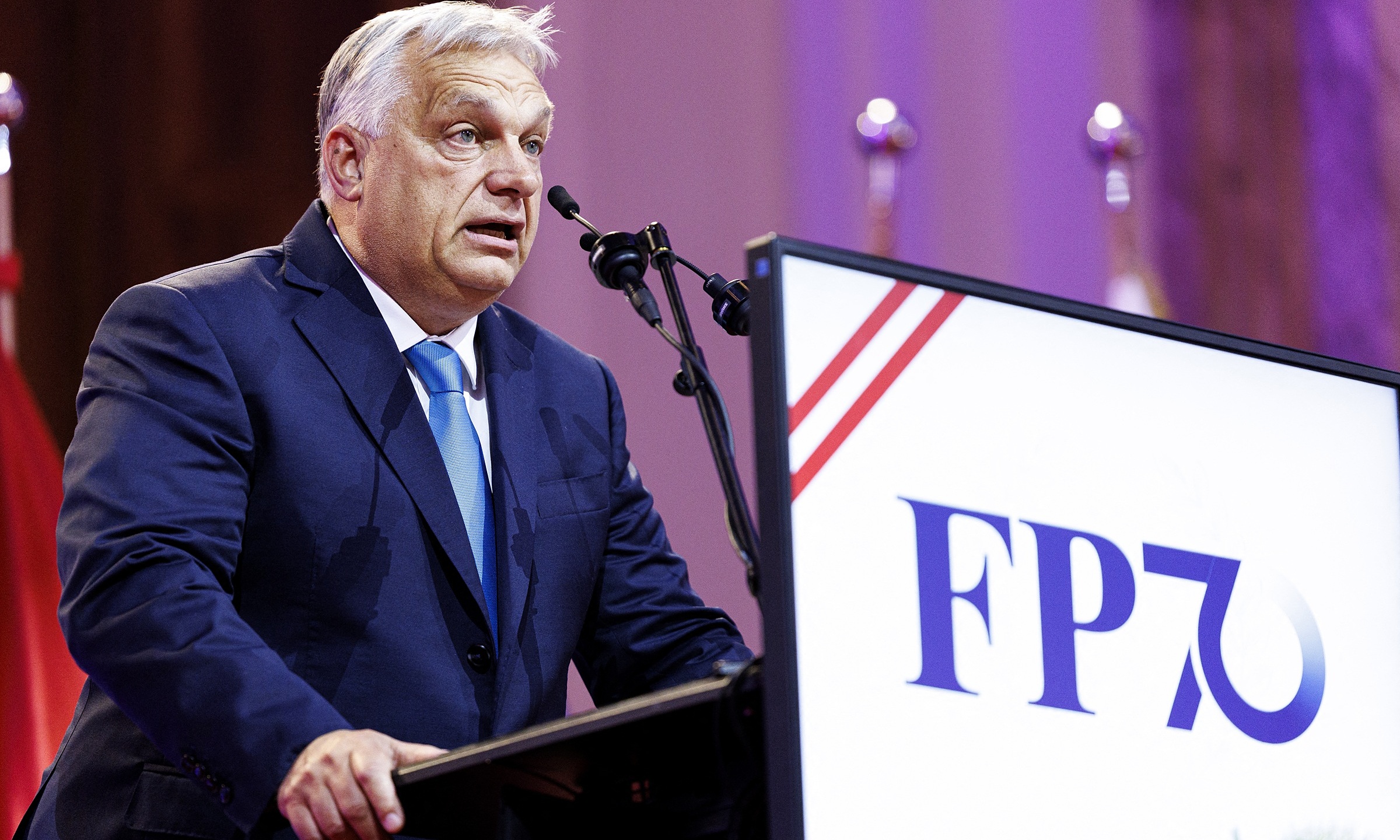
"From this moment forward, whenever Iran fires at a ship in the Strait of Hormuz, whether by missile, rocket, drone, or any other weapon, the US will bomb and destroy a bridge or power plant, including those near or in the capital Tehran," US President Donald Trump wrote on Truth Social on 22/7.
Trump has repeatedly threatened to attack Iran's civilian infrastructure, but this marks the first time the US President has warned of such a severe response. In an interview with Fox News last week, Trump further threatened to "destroy all of Iran's bridges" unless they came to the negotiating table.
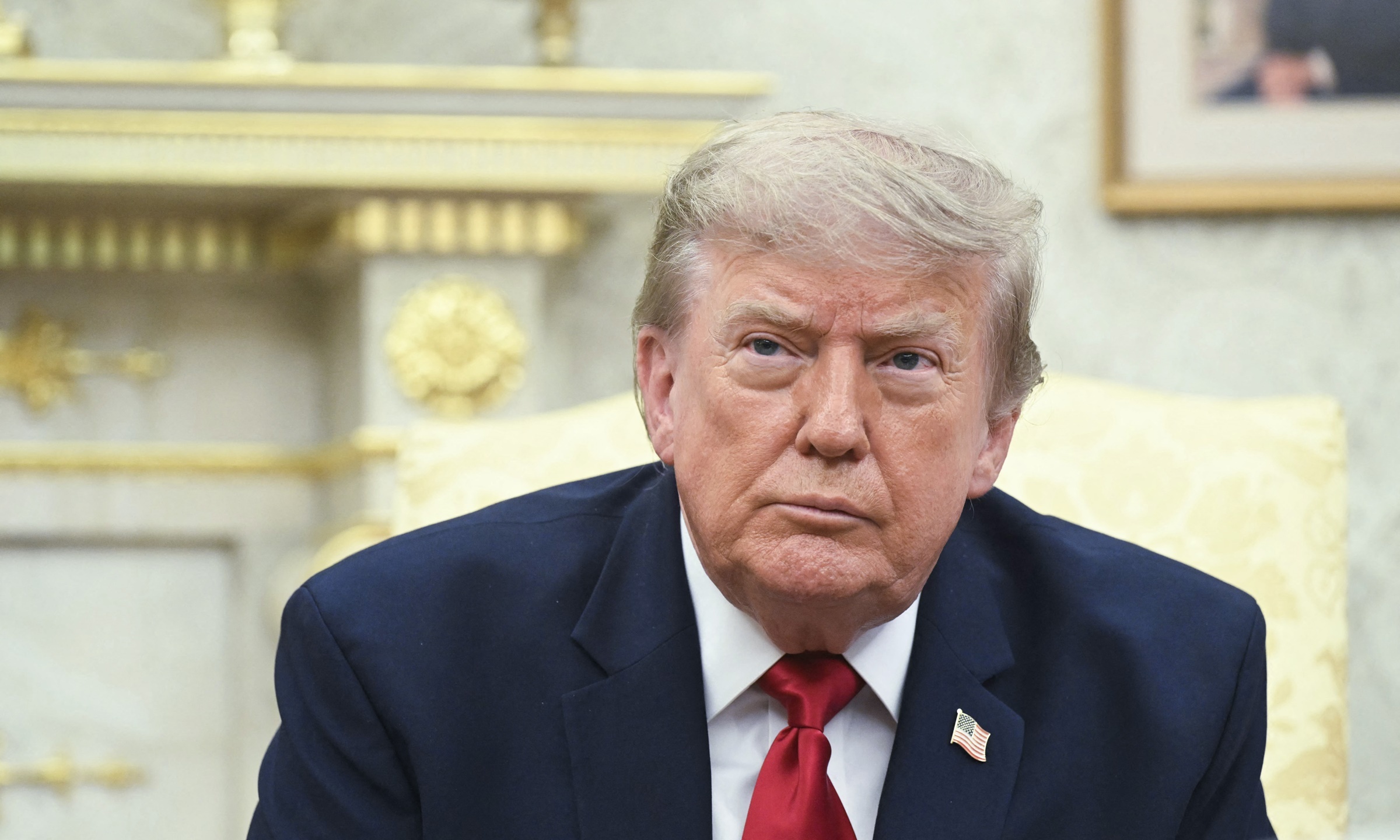 |
US President Donald Trump in the Oval Office, White House, 14/7. Photo: AFP |
Iran has not yet responded to Trump's statement, but its leaders have previously declared they will not yield to threats or pressure from the US President. Iran's Ministry of Health announced on the same day that since the US reopened its attack on 6/7, at least 53 people have died and nearly 600 have been injured.
US-Iran tensions have resurfaced over the Strait of Hormuz, a crucial waterway that has become a bargaining chip in negotiations between the warring parties.
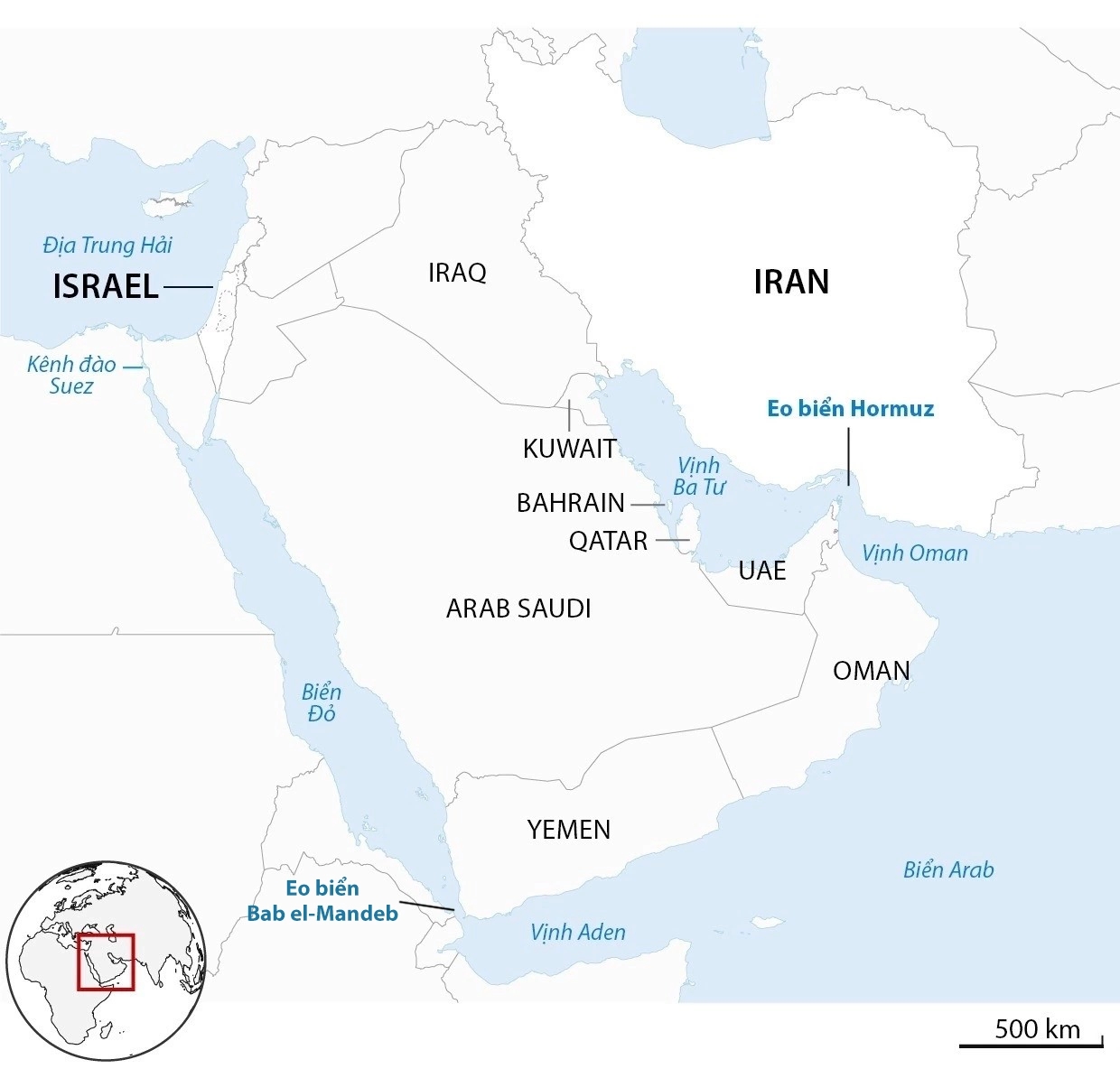 |
Location of the Strait of Hormuz. Graphic: Guardian |
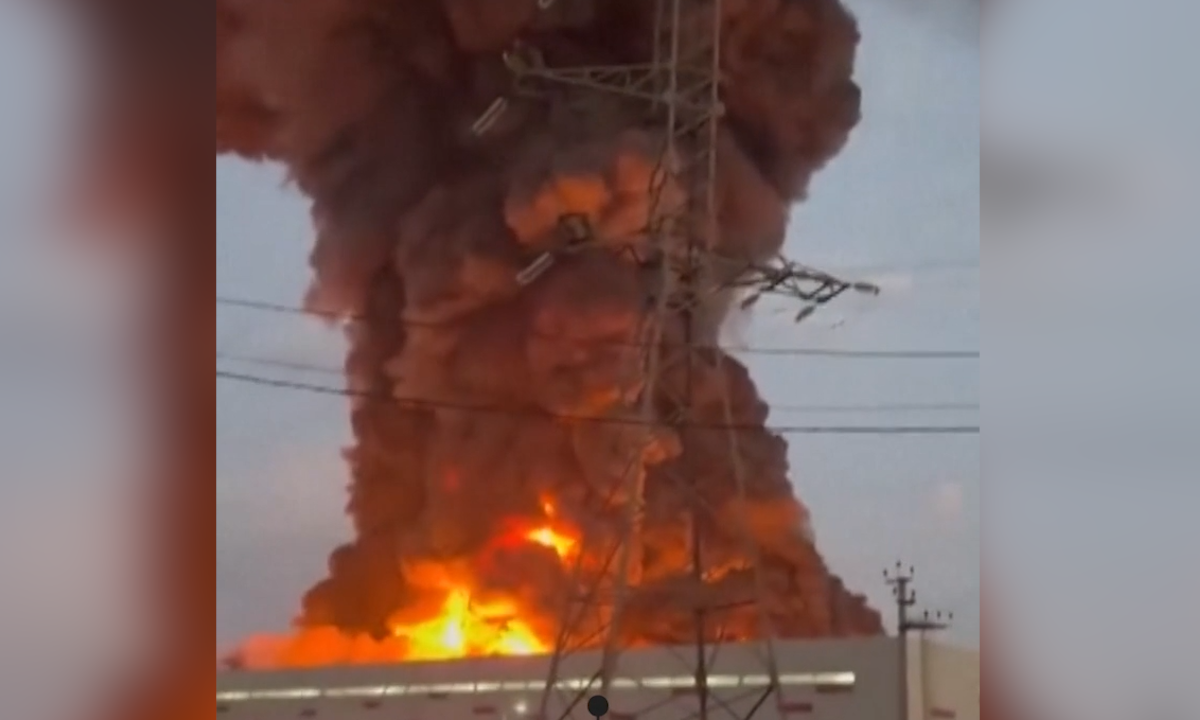
Tensions in the region escalated on 25/6, when the cargo ship Ever Lovely was attacked while transiting Omani territorial waters. The US accused Iran of being responsible, launching airstrikes against several Iranian coastal targets on 26/6 in retaliation.
Iran retaliated by attacking US military positions in the region. This cycle of tit-for-tat has occurred multiple times in recent days, weakening the bilateral ceasefire agreement.
Central Command (CENTCOM), the US military command responsible for operations in the Middle East, announced that the US maritime blockade operation against ships entering and exiting Iranian ports, as well as coastal areas in the country, had resumed on 14/7.
By Ngoc Anh (Source: AFP, Reuters)