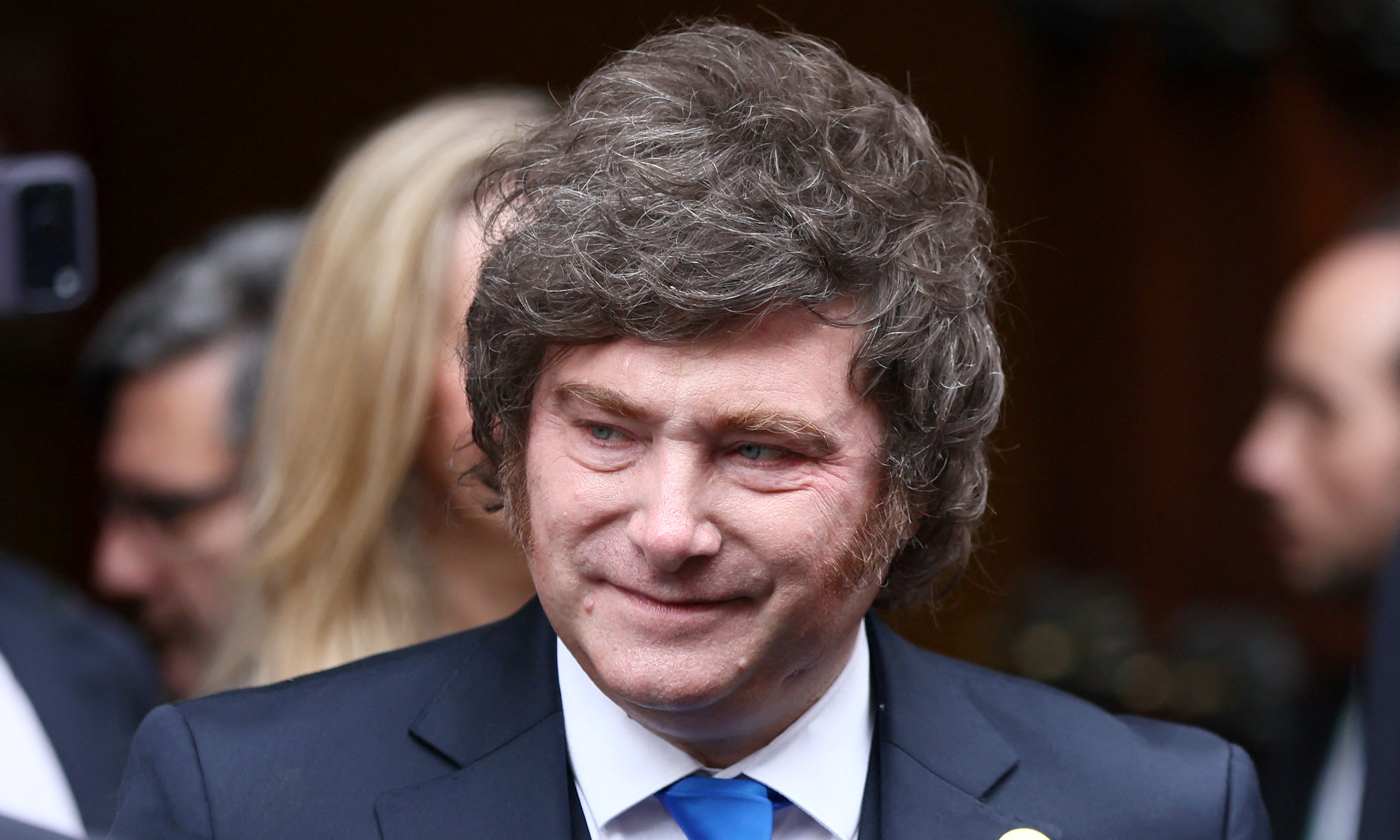
US President Donald Trump posted on Truth Social on 18/6: "There is no USD 300 billion payment from the US to Iran. That is fake news. What the US received is success, lower oil prices, and victory. Look at the stock market. Democrats are running a propaganda campaign."
He further labeled critics of the agreement "fools" in his social media post.
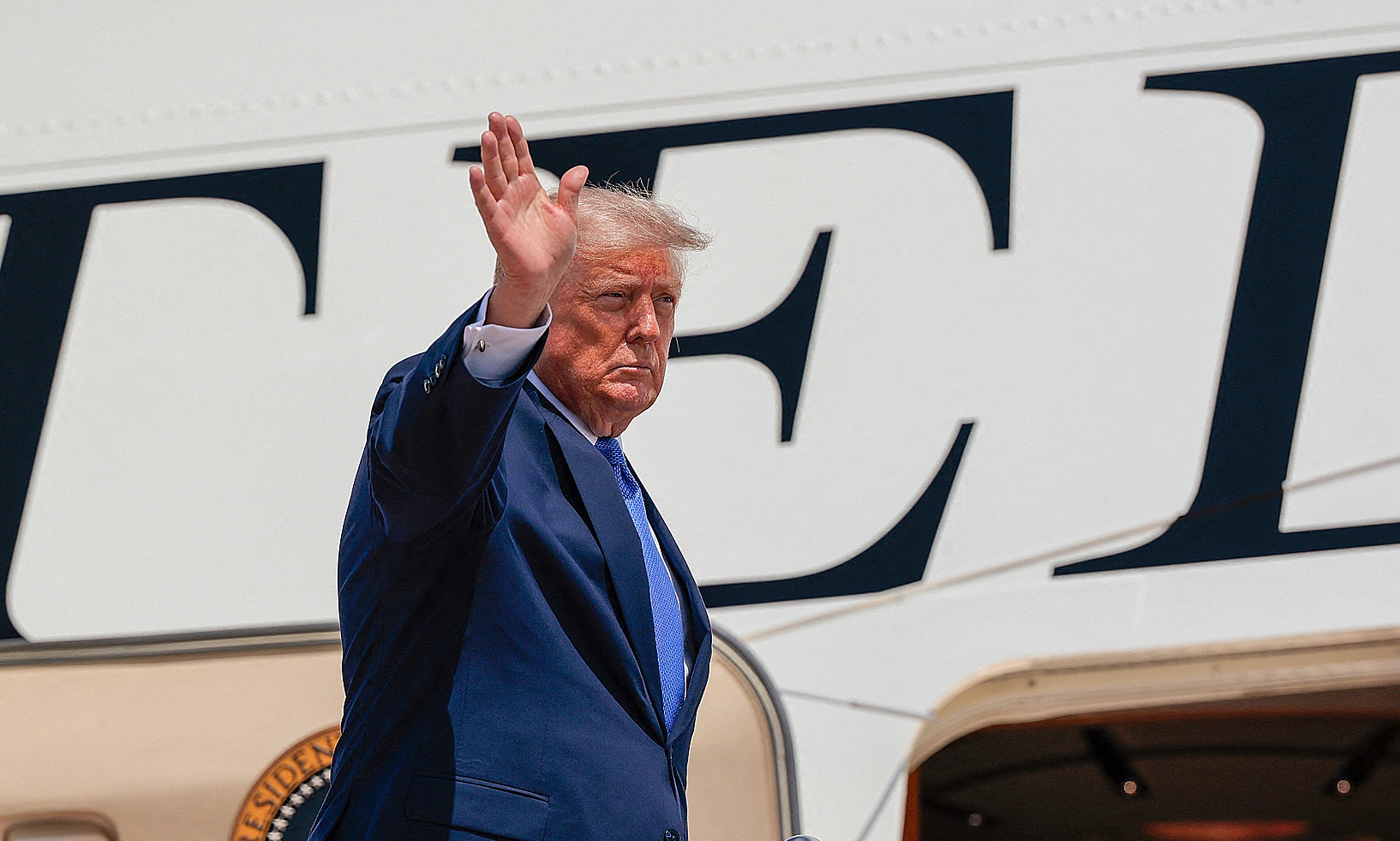
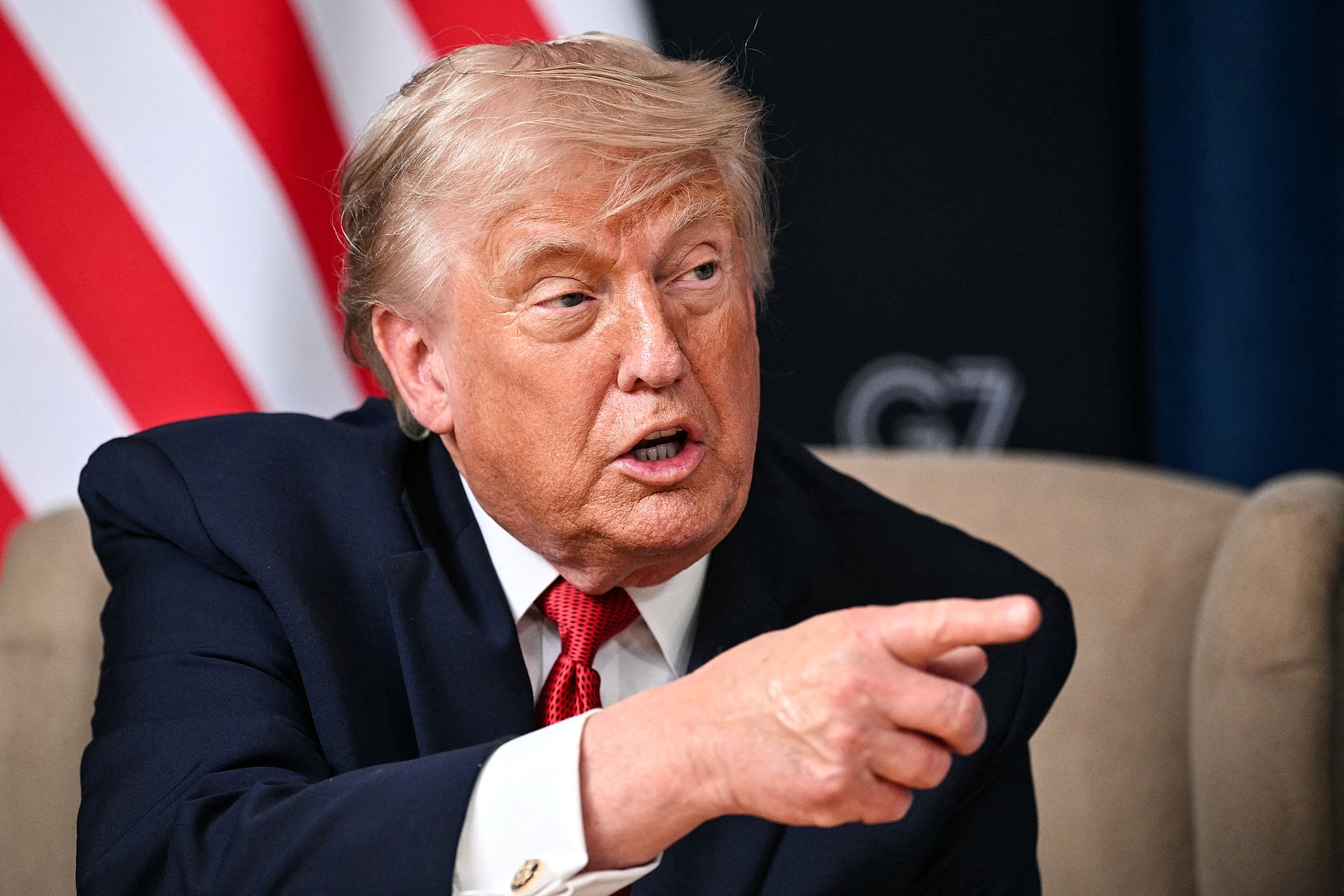 |
US President Donald Trump in Evian, France on 17/6. *AFP* |
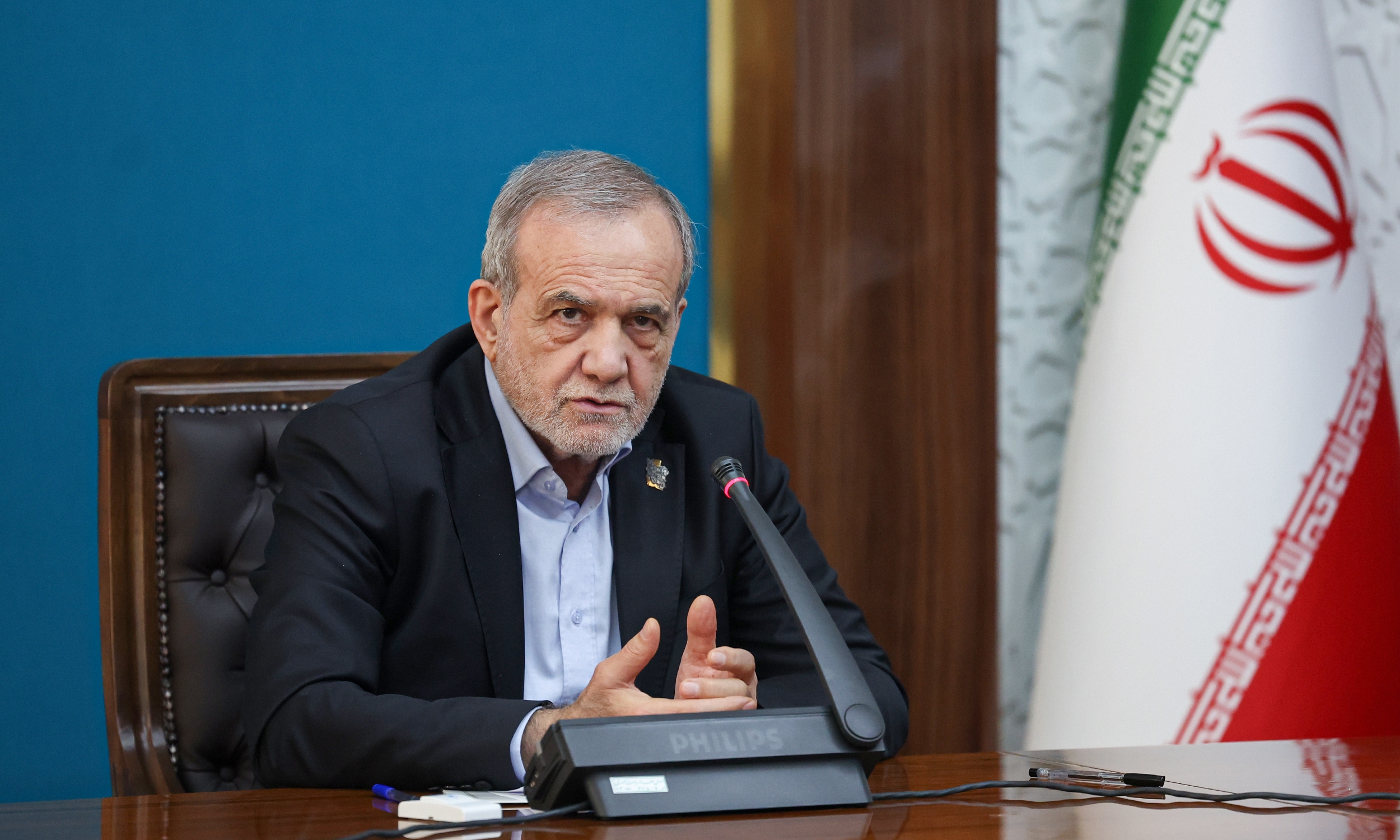
Conversely, Iranian Parliament Speaker Mohammad Bagher Ghalibaf, who led his country's negotiating delegation, declared the memorandum a "failure" for the US.
On the same day, Iranian Supreme Leader Mojtaba Khamenei announced his approval of the document with the US to end the Middle East conflict, marking his initial public response to the deal.
Khamenei stated in a message broadcast on state television: "In principle, I have a different view on the memorandum, but I approved it based on the commitment submitted by the Iranian President, in his capacity as Chairman of the Supreme National Security Council, to protect the interests of Iran and the Resistance Front."
The Iranian Supreme Leader suggested President Trump used every available leverage to secure the agreement "out of desperation." He emphasized that Tehran would not accept the memorandum if Washington presented excessive demands. "Future direct negotiations do not mean we accept the opposing side's viewpoint," he added.
US and Iranian officials had confirmed on 17/6 that the Presidents of both nations signed an agreement aimed at resolving the conflict. The memorandum, jointly announced, includes a potential USD 300 billion reconstruction fund for Iran.
The document's terms raised concerns among some of Trump's allies. Republican Senator Bill Cassidy called it "the worst foreign policy mistake in decades." He asserted, "Iran's nuclear ambitions are unchecked, and they have concluded that threatening the Strait of Hormuz works."
US Senate Armed Services Committee Chairman Roger Wicker contended that the document "completely contradicts" President Trump's stated goals. He also opposed easing sanctions and unfreezing funds "just in exchange for Iran agreeing to continue negotiations for another 60 days."
"The USD 300 billion fund for Iran's reconstruction and economic development, though not funded by US taxpayer money, will make the benefits Iran received under the 2015 agreement insignificant," Wicker stated.
Republican Senator Ted Cruz urged President Trump against "suddenly pouring large sums of money into Iran for reconstruction, allowing it to once again become a threat to the US." He warned, "It would be a mistake if this agreement gave them USD 300 billion."
On 18/6, the US military lifted a naval blockade on Iranian seaports, which had prevented vessels from entering or leaving the country for over two months. However, US officials affirmed that their warships would maintain a regional presence "to ensure all terms of the agreement are fully implemented."
Huyen Le (*According to AFP*)