US President Donald Trump began a new week on 13/7 by announcing an immediate 20% fee on commercial vessels transiting the Strait of Hormuz, surprising international allies and even some administration advisors.
"From now on, the US will become the protector of the Strait of Hormuz", he wrote on Truth Social.
 |
Vessels anchored in the Strait of Hormuz off Bandar Abbas, Iran, on 17/6. *AP* |
According to close sources, immediately after Trump's announcement on the morning of 13/7, White House aides scrambled to develop logistics for an unprecedented fee system. Questions arose regarding who would pay and how the fees would be collected.
Many officials and outside analysts initially believed shipping companies would bear the cost. However, the situation became more complicated when Trump announced later that day that US allies in the Gulf region would be responsible for the payments.
Leaders of Gulf allied nations urgently contacted President Trump by phone to persuade him to withdraw a proposal that appeared to have been made impulsively.
A day later, Trump reversed his decision and abandoned the plan to charge fees for the Strait of Hormuz, after stating that Gulf nations had committed to making new investments in the US.
Many Republican lawmakers and White House aides breathed a sigh of relief. They feared that new restrictions imposed by Trump would only drive up gas prices, increasing political pressure on the Republican Party ahead of the November midterm elections, where the cost of living is voters' top concern.
On the same day, Trump was surprised to learn that Secretary of Homeland Security Markwayne Mullin had decided to prohibit immigration and customs enforcement (ICE) agents from conducting vehicle stops for arrests. This decision followed incidents where ICE personnel shot and killed two immigrants within a week, according to informed sources.
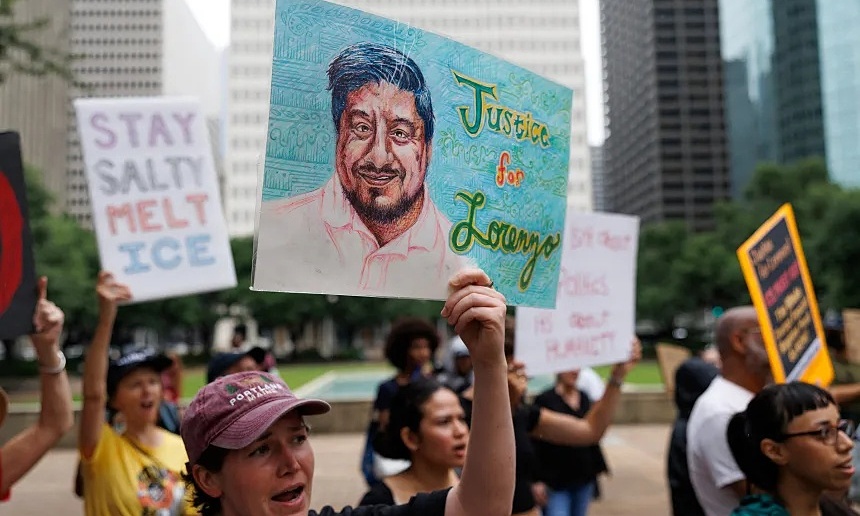
The ban came after protests against ICE in Maine and Texas, two Republican-leaning states. Many Republican members of congress expressed concern about the adverse impact of such anti-ICE sentiment on their prospects in the November midterm elections.
However, sources indicated that President Trump had not been informed by Secretary Mullin about this decision before it was leaked to the press, and he felt the move made him appear weak.
 |
Protest against the shooting death by ICE agents in Biddeford, Maine, on 17/7. *AP* |
On the morning of 15/7, Trump immediately reversed Mullin's decision. "We must be strong, tough, and smart. We cannot abandon one of ICE's most important and effective crime-fighting tools", he wrote on Truth Social.
That afternoon, the US President continued to declare support for data center construction and criticized New York Governor Kathy Hochul, a Democrat, for issuing a one-year moratorium on new centers.
In a Truth Social post, Trump described data centers as "big, powerful, bold, and money-making machines".
This went against public sentiment, as over 70% of Americans opposed new data centers in their communities, according to a Gallup poll last March. An informed source stated that political advisors were displeased with Trump's decision, fearing it would harm the Republican Party in the midterm elections.
A disheartening speech
Before the uproar subsided, President Trump further unsettled advisors by announcing he would deliver a prime-time television speech on 16/7, promising to reveal "shocking information" about the 2020 presidential election.
When Trump revealed that the main message of the speech would be doubts about the election's integrity, many Republican members and even some of the President's close advisors urged him not to go on air.
Sources indicated that Trump ignored advice from allies to cease debating the 2020 election and instead focus on the future. After losing to Joe Biden that year, Trump filed approximately 60 lawsuits alleging "fraudulent" elections, all of which were dismissed by the courts.
After his re-election, Trump recently appointed Bill Pulte, head of the Federal Housing Finance Agency with limited national security experience, as acting Director of National Intelligence. He granted Pulte authority to investigate election fraud allegations.
Some White House aides expressed concern over Pulte's selection to lead the nation's top intelligence agency, even suggesting he would transmit unverified intelligence information to the President.
Nevertheless, Pulte assumed office and arrived at the Office of the Director of National Intelligence headquarters with presidential directives to dismiss numerous long-standing personnel and declassify confidential documents related to the 2020 election.
Weeks prior, Pulte reported to the President about findings he believed were related to "election interference". This information captured Trump's attention and fueled his desire to deliver a national address.
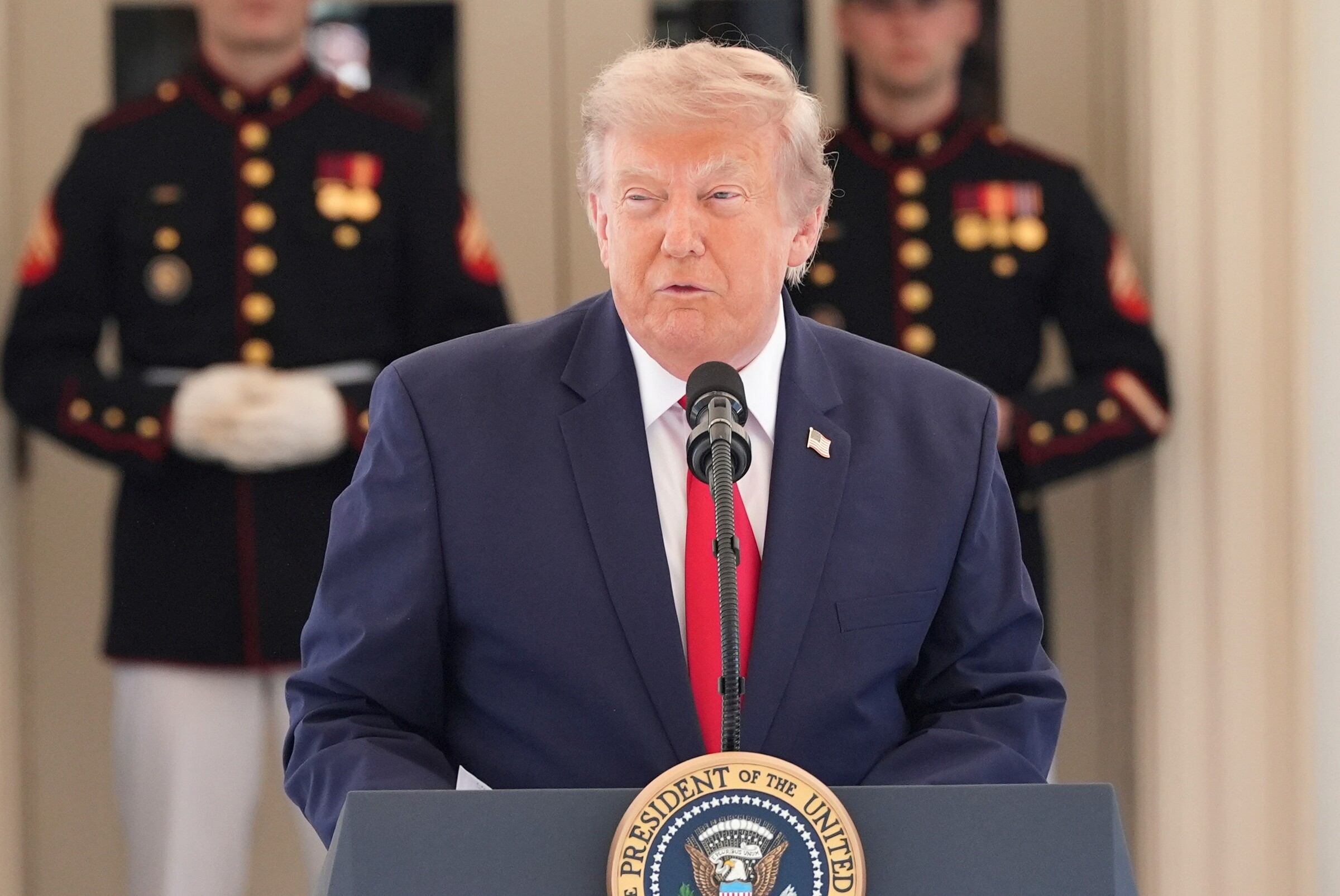 |
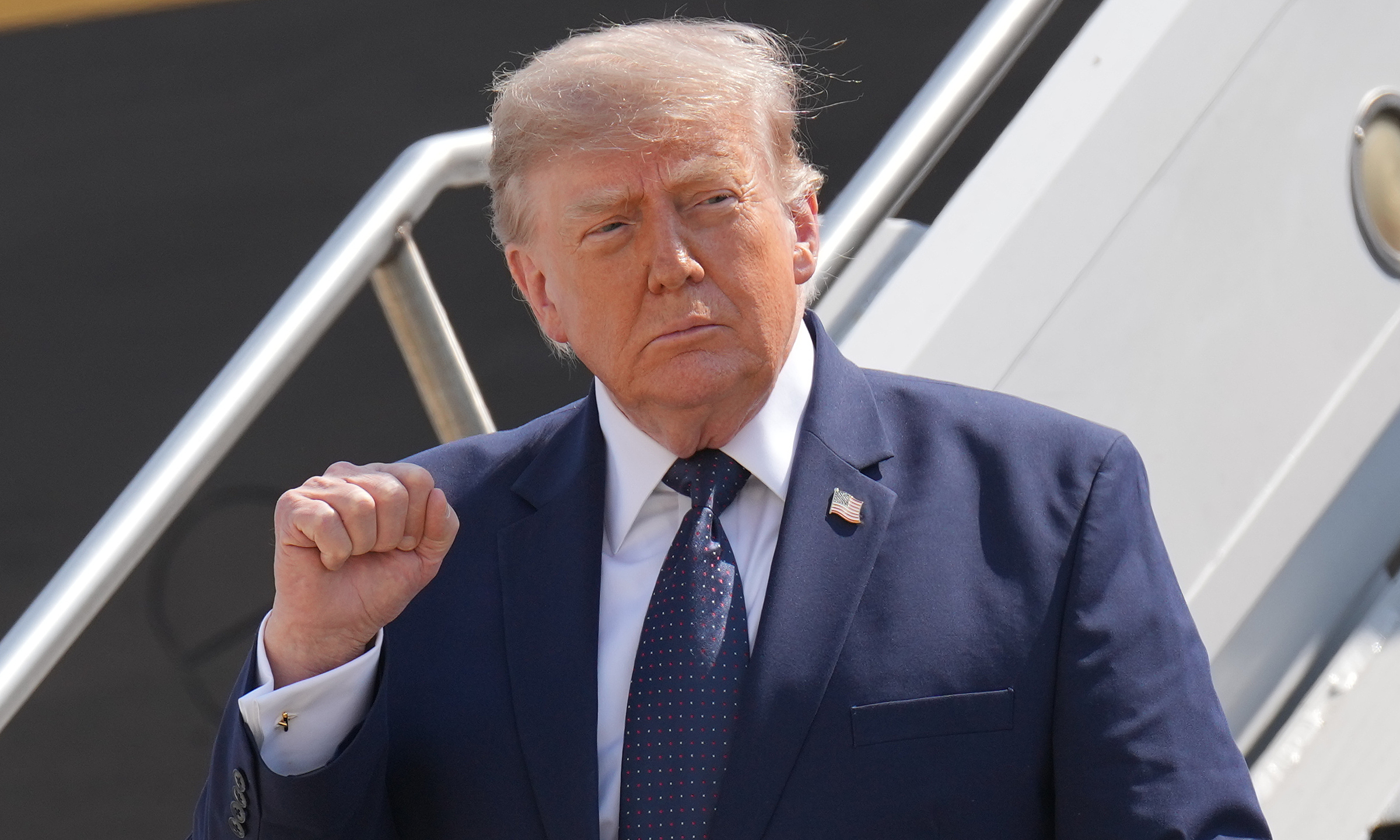
US President Donald Trump speaks in Washington on 13/7. *AP* |
During preparations for the speech, some advisors warned Trump against releasing intelligence information that officials had already reviewed and largely dismissed during his first term.
But Trump seemed eager to release them to pressure congress into passing the Save America Act (SAA) he was advocating, which would restrict mail-in voting and require voters to provide proof of US citizenship when registering to vote.
In the 25-minute televised speech, Trump primarily reiterated previously dismissed allegations of election fraud, offering no new evidence.
Trump's allies argued that focusing on election integrity was a way to energize his core conservative voter base. They noted that Republican voters largely support voter identification laws.
However, other Republican members expressed frustration and weariness. Some within the Republican Party worried that Trump was not adequately focusing on the economic issues most concerning to voters, nor on the Iran conflict, ahead of midterm elections where the party risked losing its congressional majority.
"When parents lie awake at night, I think what they worry about most is the cost of living. That's what I think. But he is the President and was elected by the people, he has the right to talk about anything he wants", said Senator John Kennedy, a Republican.
Senator Thom Tillis likened Trump's speech to "a very good TV show, but you've watched it over and over again too many times".
Thanh Tam (According to WSJ, AFP, Reuters)