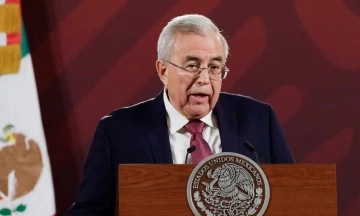
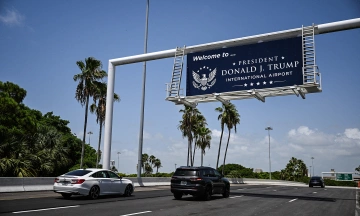
"Iran asked us to continue negotiations. We agreed to do so, but the US has made it clear to them that the ceasefire has ended," US President Donald Trump posted on Truth Social on 10/7.
Iran has not commented on this information.
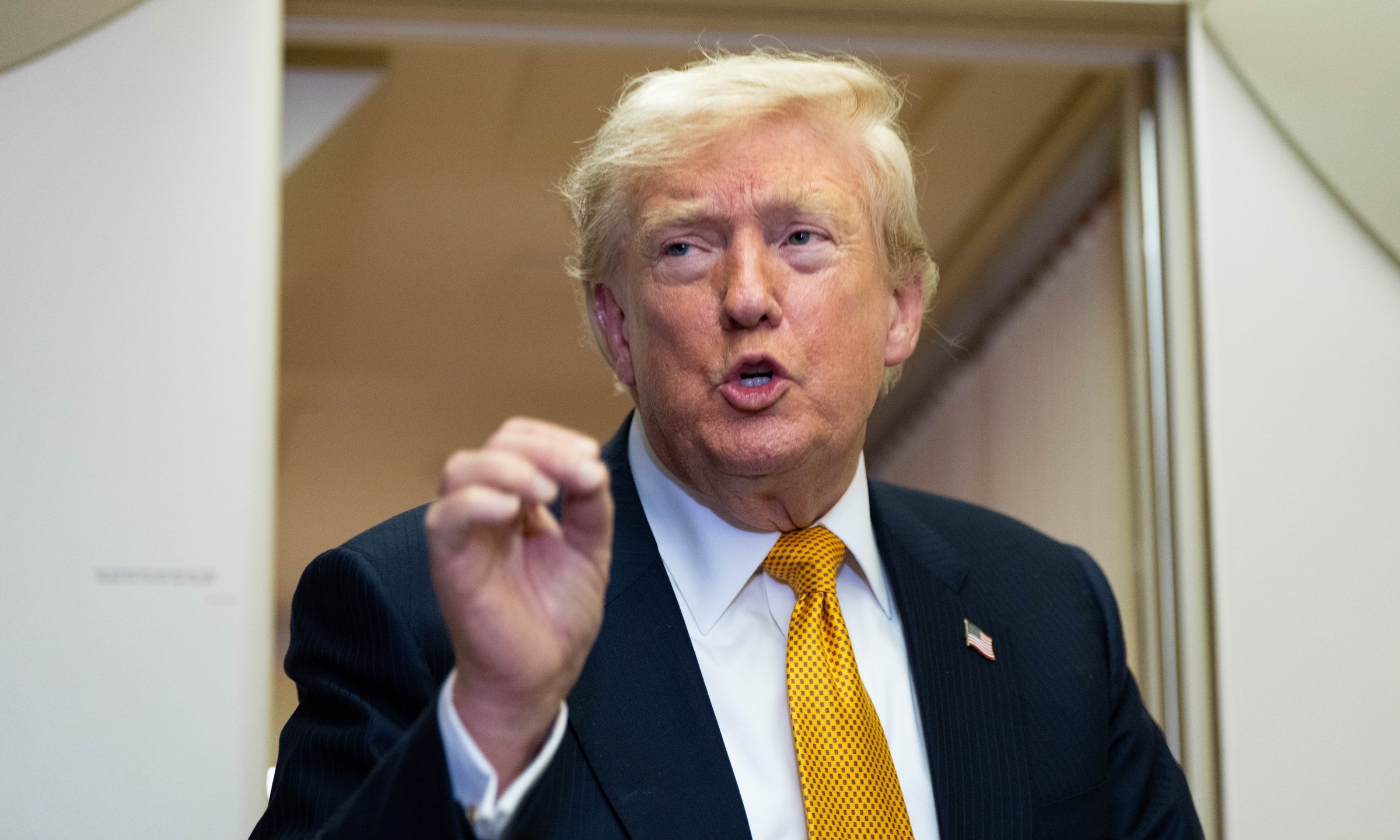 |
President Donald Trump speaks with reporters aboard Air Force One on 8/7. Photo: AP |
Reuters, citing sources familiar with the matter, reported that Qatari negotiators arrived in Iran on 10/7 to de-escalate tensions after Iran and the US resumed conflict this week, and to discuss the Strait of Hormuz with leaders in Tehran.
Tasnim news agency confirmed a Qatari delegation's arrival in Iran to "strengthen Qatar's mediating role", following Doha's accusation earlier this week that Iran attacked commercial vessels in the Strait of Hormuz.
The Egyptian Ministry of Foreign Affairs reported that Foreign Minister Badr Abdelatty today spoke by phone with Qatari Prime Minister and Foreign Minister Mohammed bin Abdulrahman Al Thani. The two top diplomats urged "the parties to prioritize diplomacy and dialogue, and return to the negotiating table".
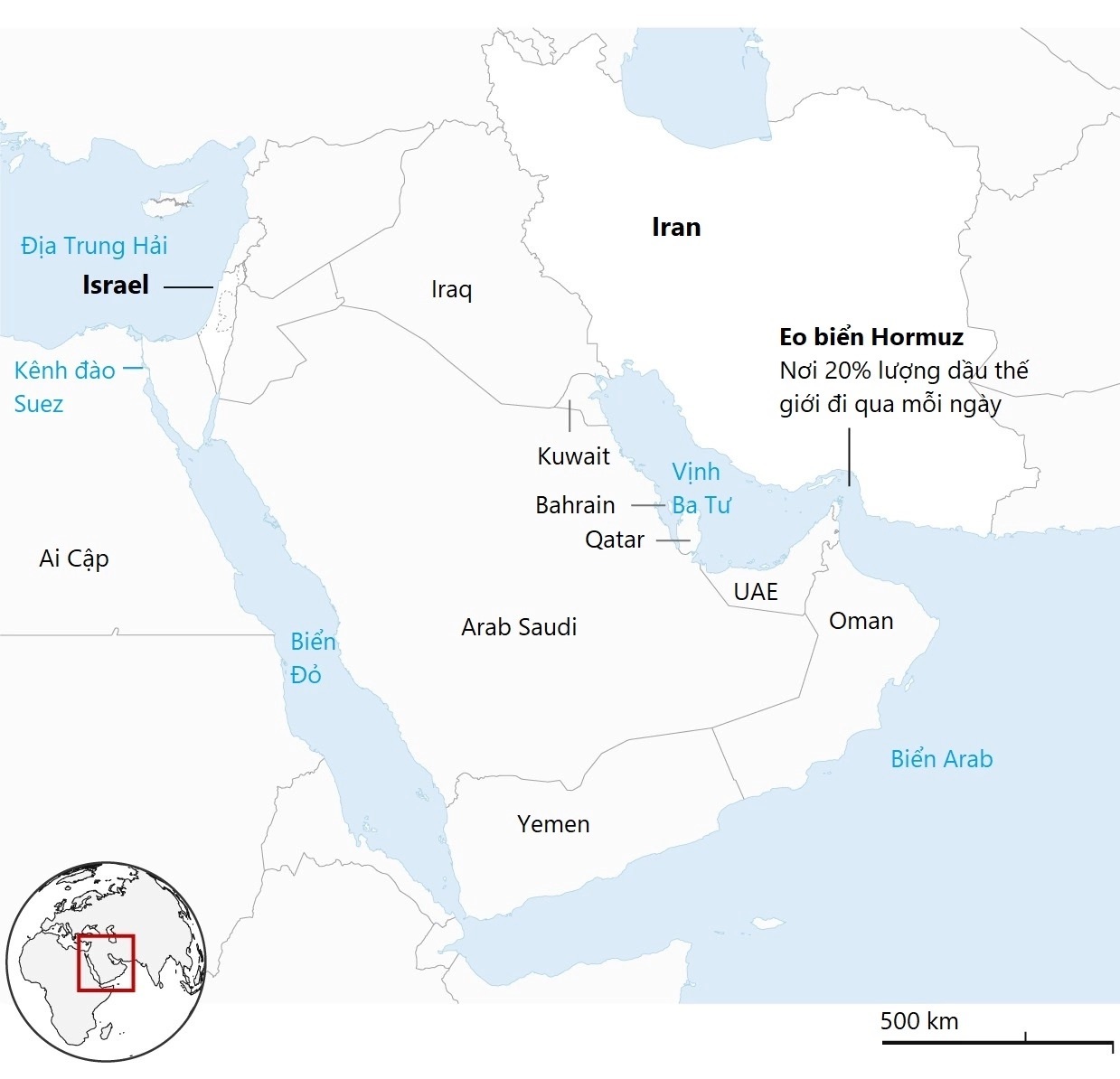 |
Location of Iran and the Strait of Hormuz. Graphic: Guardian |
The new round of conflict between Iran and the US began after President Trump declared on 8/7 that the ceasefire between the US and Iran had ended, asserting that negotiations with Tehran were "just a waste of time". Iran also stated that key provisions in the memorandum signed by both sides in mid-6 had become void, warning the US of "dangerous consequences" from this action.
US Central Command (CENTCOM) subsequently announced it had attacked 90 targets across Iran, citing retaliation for Iran's attacks on cargo ships transiting the Strait of Hormuz. The Islamic Revolutionary Guard Corps (IRGC) then launched missiles and UAVs at US military targets in Kuwait and Bahrain in retaliation.
Thanh Tam (According to AFP, Reuters, CNN)