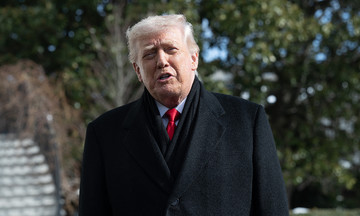
Frankly, some media outlets received leaks that the operation was imminent, and they chose to withhold that information. "We thank them, because otherwise, American lives could have been endangered," U.S. Secretary of State Marco Rubio said in an interview with ABC on 4/1, referring to Operation "Absolute Resolve", a raid into Venezuela to arrest President Nicolas Maduro.
This was a rare admission by a Trump administration official that information about the raid had been leaked before it occurred. Earlier, Semafor, a U.S. political news site, citing informed sources, reported that at least two major newspapers, the New York Times and the Washington Post, knew about the raid in advance but did not publish the information to avoid endangering U.S. soldiers.
During a press conference on 3/1 at the Mar-a-Lago estate concerning the operation, U.S. officials stated they did not even inform Congress in advance about the action plan due to concerns that members of Congress "tend to leak information". This would threaten the success of the operation and the safety of soldiers during combat, explained Secretary of State Rubio.
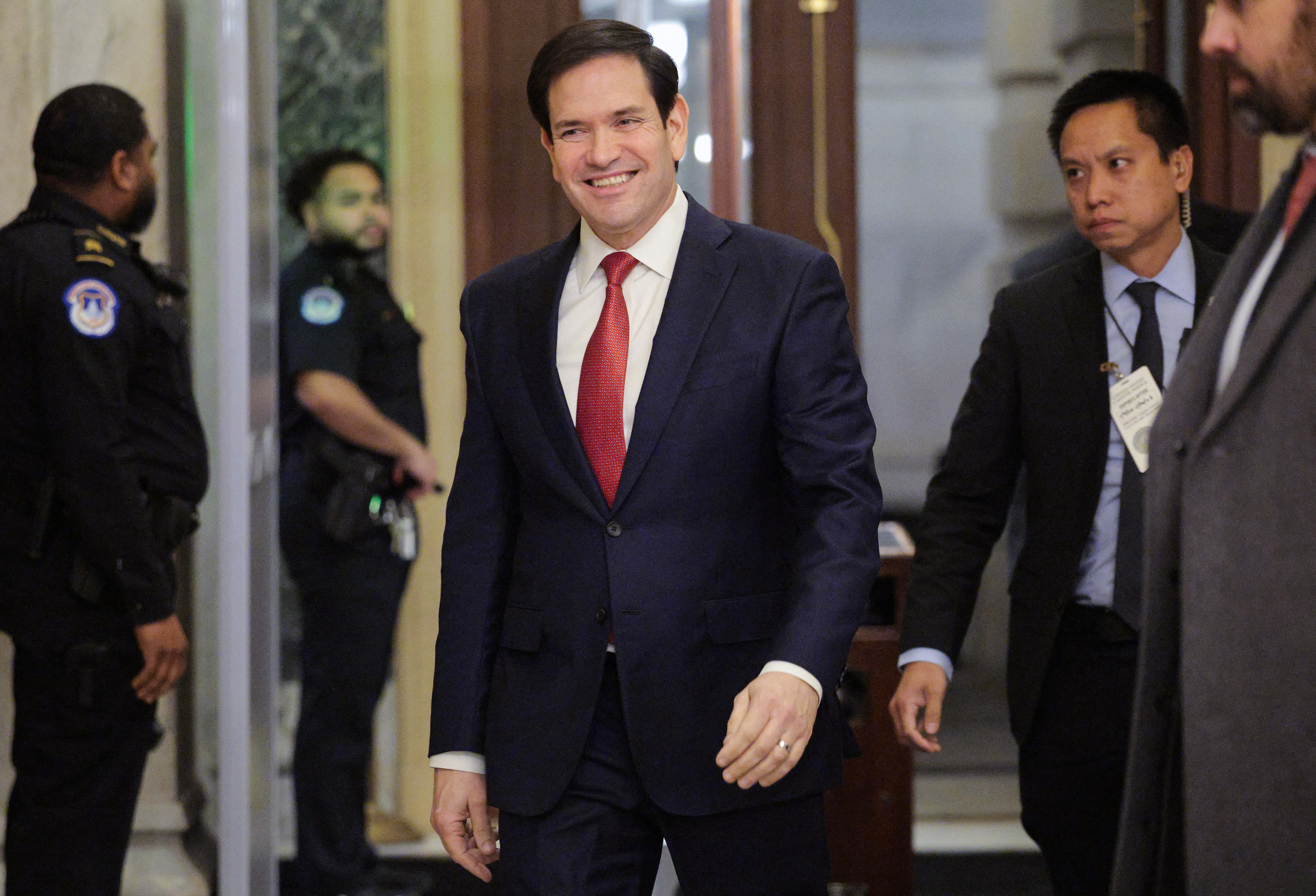 |
U.S. Secretary of State Marco Rubio attends a session with the U.S. Congress on 5/1 regarding the Venezuela raid operation. *Photo: AFP* |
Most Americans only learned about Operation "Absolute Resolve" in the early hours of 3/1, when President Donald Trump announced on Truth Social that the mission was complete and Maduro had been arrested. Major news outlets like CNN, Fox, and AP only reported developments in Venezuela in real-time and from eyewitness accounts, later citing anonymous sources within the U.S. government to confirm the attack.
According to Dana Priest, a former national security reporter for the Washington Post, the newspaper's temporary withholding of information about the operation to ensure the safety of U.S. military personnel is a traditional practice in journalism. Even after the event occurred, newsrooms still communicate with the government about details that could harm national security if revealed to the public.
Priest recalled an incident where Atlantic magazine editor-in-chief Jeffrey Goldberg was inadvertently added to a Signal messaging group about an operation in Yemen and gained partial knowledge of the combat plan. However, Goldberg only disclosed the incident and the content of the messages after U.S. forces had completed their mission, the soldiers were safe, and the information had been verified.
Thanh Danh (According to AP)