The US Department of Justice (DOJ) announced on 2/6 that it would halt the deployment of the $1.776 billion Anti-Weaponization Fund. This decision followed a temporary order issued by Judge Leonie Brinkema of the US District Court for the Eastern District of Virginia last weekend, blocking the department from establishing the program until at least 12/6, when a new hearing will be held.
While committing to abide by the court's ruling, the DOJ expressed strong opposition. The agency maintained that the Anti-Weaponization Fund was established for entirely non-partisan purposes, open to Democrats, Republicans, and independents alike, to compensate individuals who had experienced persecution and unfair treatment.
Donald Trump and his Republican allies have long asserted that the Joe Biden administration unfairly targeted them using the justice system. Under the framework of the Anti-Weaponization Fund, federal funds were intended to compensate individuals who believed they were targeted, persecuted, or unfairly treated by the Biden administration due to political motives.
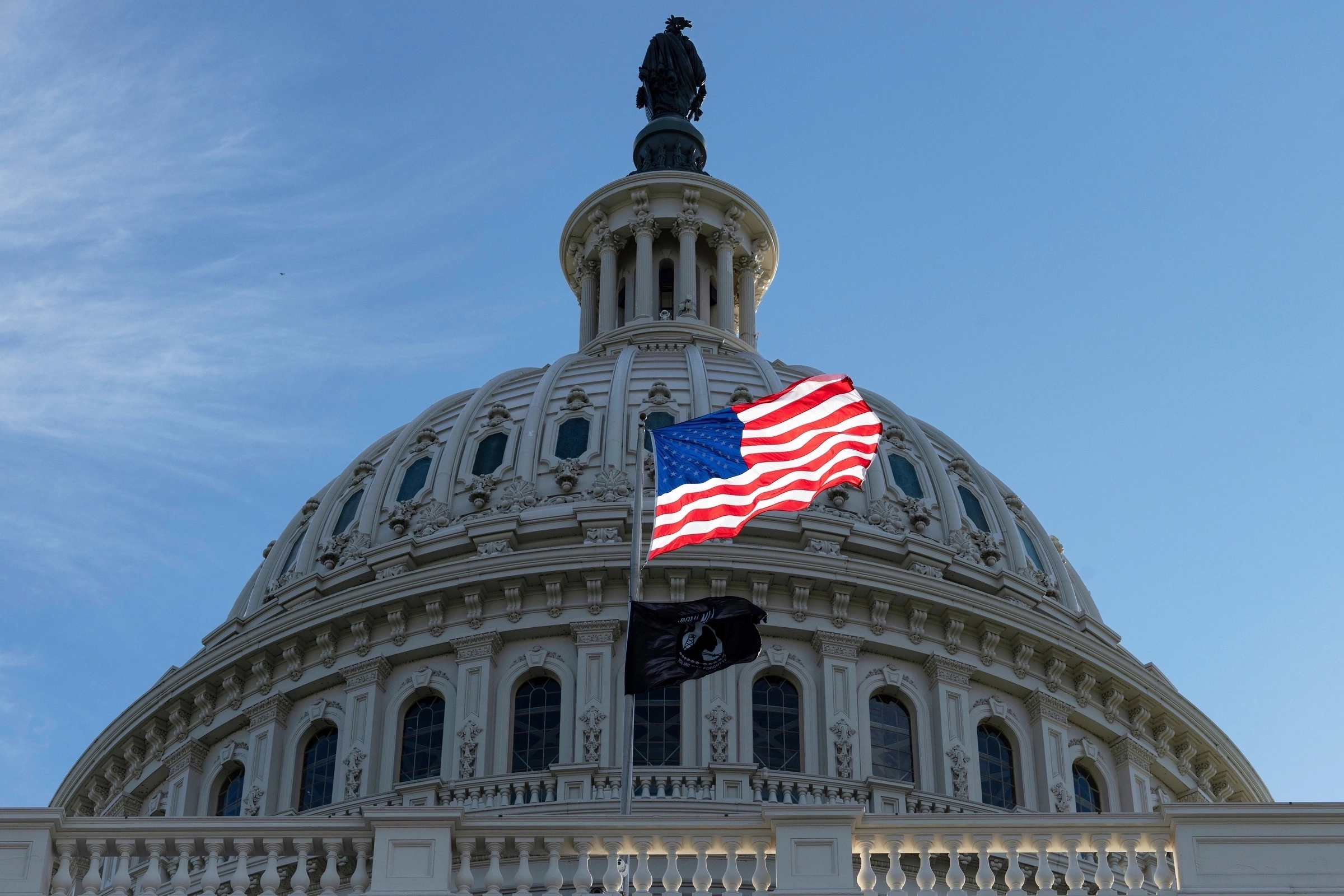 |
The US Capitol building in Washington D.C., 10/2025. Photo: AP |
Democrats and various oversight organizations labeled the program a "slush fund," citing a lack of transparency in its eligibility criteria, which they feared could benefit Donald Trump's allies. Controversy intensified after Donald Trump's supporters, including some prosecuted for their involvement in the 1/2021 Capitol riot, expressed intentions to apply for funds. Donald Trump had pardoned or commuted the sentences of approximately 1,500 defendants convicted in the riot, asserting they had been treated unfairly.
Analysts suggest that the administration's decision not to appeal Judge Brinkema's ruling indicates significant pressure from bipartisan lawmakers who harbor serious concerns about the program. House Speaker Mike Johnson met with Donald Trump at the White House on 1/6 to discuss the fund, CBS News reported, citing informed sources.
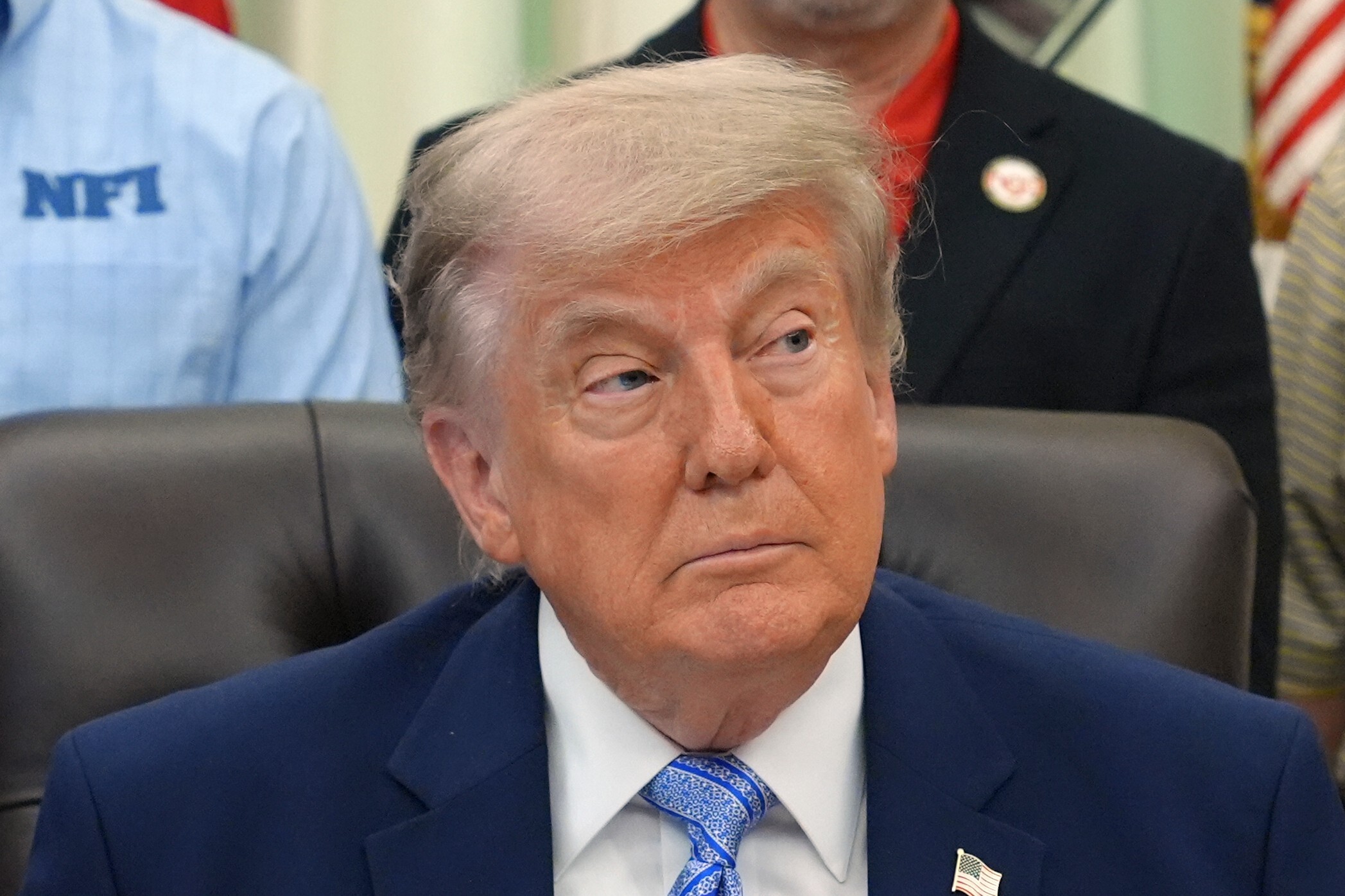 |
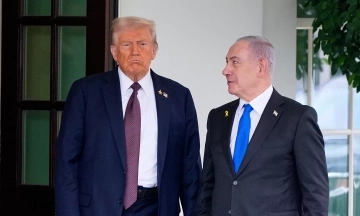
President Trump at the White House, 21/5. Photo: AP |
Pressure culminated last month during a closed-door meeting of Senate Republicans, where several senators questioned acting Attorney General Todd Blanche about the fund. The meeting was described as tense, with widespread discontent regarding the program and its timing, leading Republican leadership to cancel a planned vote on funding for Department of Homeland Security immigration enforcement agencies.
Democrats also threatened to force a public Senate vote on the fund, putting Republicans in a difficult position as some of their senators might join Democrats in opposing the program. "No one will be able to avoid this issue," said Democratic Senator Adam Schiff of California at a press conference on 1/6.
Senate Majority Leader John Thune stated he had spoken with Donald Trump over the weekend. "I think the best way to handle this is for the administration to kill the fund," Thune said.
Duc Trung (According to CBS News, AP, Hill)