On 30/1, the US Senate approved a government spending package by a vote of 71 to 29. However, the US House of Representatives was on weekend recess and could not ratify the bill passed by the Senate, at least until members return to work on 2/2.
Consequently, a budget lapse is unavoidable, leading to a US government shutdown from 31/1. Despite this, US Senate leaders are optimistic that the new bill will quickly resolve the situation, potentially within a few days.
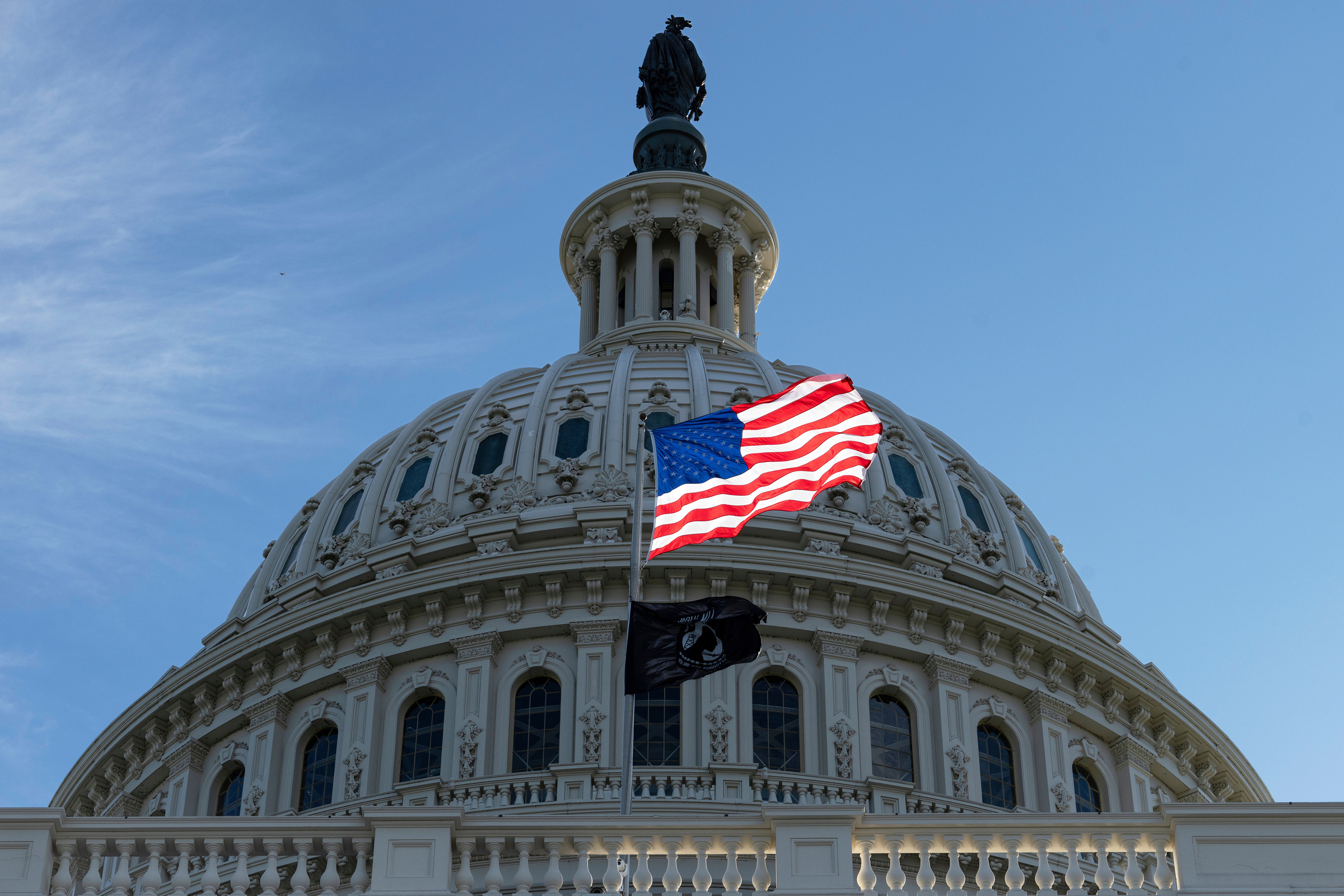 |
Capitol Hill on the first day of the US government shutdown on 1/10/2025. Photo: AP
The US government budget impasse stems from Democrats' dissatisfaction with President Donald Trump's administration's tough immigration crackdown measures. This discontent intensified following two fatal shootings of white US citizens in Minneapolis this month, fueling tensions and increasing opposition to approving new funding for the Department of Homeland Security (DHS).
Under an agreement between the White House and Democratic leaders in the US Senate, lawmakers approved 5 outstanding budget bills. These bills will fund most of the federal government through the fiscal year ending in September.
Funding for DHS, however, was separated and extended for only two weeks. This aims to provide lawmakers time to negotiate changes to the agency's operations.
President Trump publicly supported the agreement and urged both parties to find common ground on the budget. This indicates his desire to avoid a second prolonged government shutdown during his term, after last year's record 43-day stoppage cost the US economy about 11 billion USD.
A government shutdown freezes funding for non-essential federal operations, forcing agencies to halt services, furlough employees, or require them to work without pay. Departments spanning defense, education, transportation, and housing would face significant impacts if the shutdown extends.
According to the Congressional Research Service, since 1977, the US government has experienced 10 budget lapses lasting no more than three days. Most of these had no significant impact.
By Thanh Tam (Reuters, AFP)