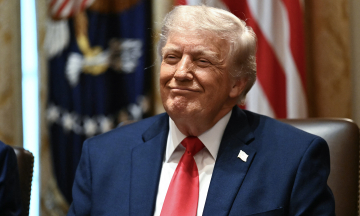
US President Donald Trump expressed optimism regarding ongoing negotiations with Iran on 3/6, suggesting a potential agreement "could be reached by the end of this week". Speaking to reporters at the White House, Trump commented, "I hear the negotiations are going very well".
However, these remarks starkly contrast with a statement made on the same day by Iran's Foreign Minister Abbas Araghchi. Araghchi indicated that while communication channels with the US remain open, there has been "no specific progress" in the negotiation process aimed at resolving the conflict.
Trump also noted his desire to keep the US - Iran talks separate from discussions aimed at ending hostilities between Israel and Hezbollah in Lebanon. "We spoke with Hezbollah for the first time. Yesterday they agreed to a ceasefire, and Israel will do the same. We just have to wait and see", the US leader added.
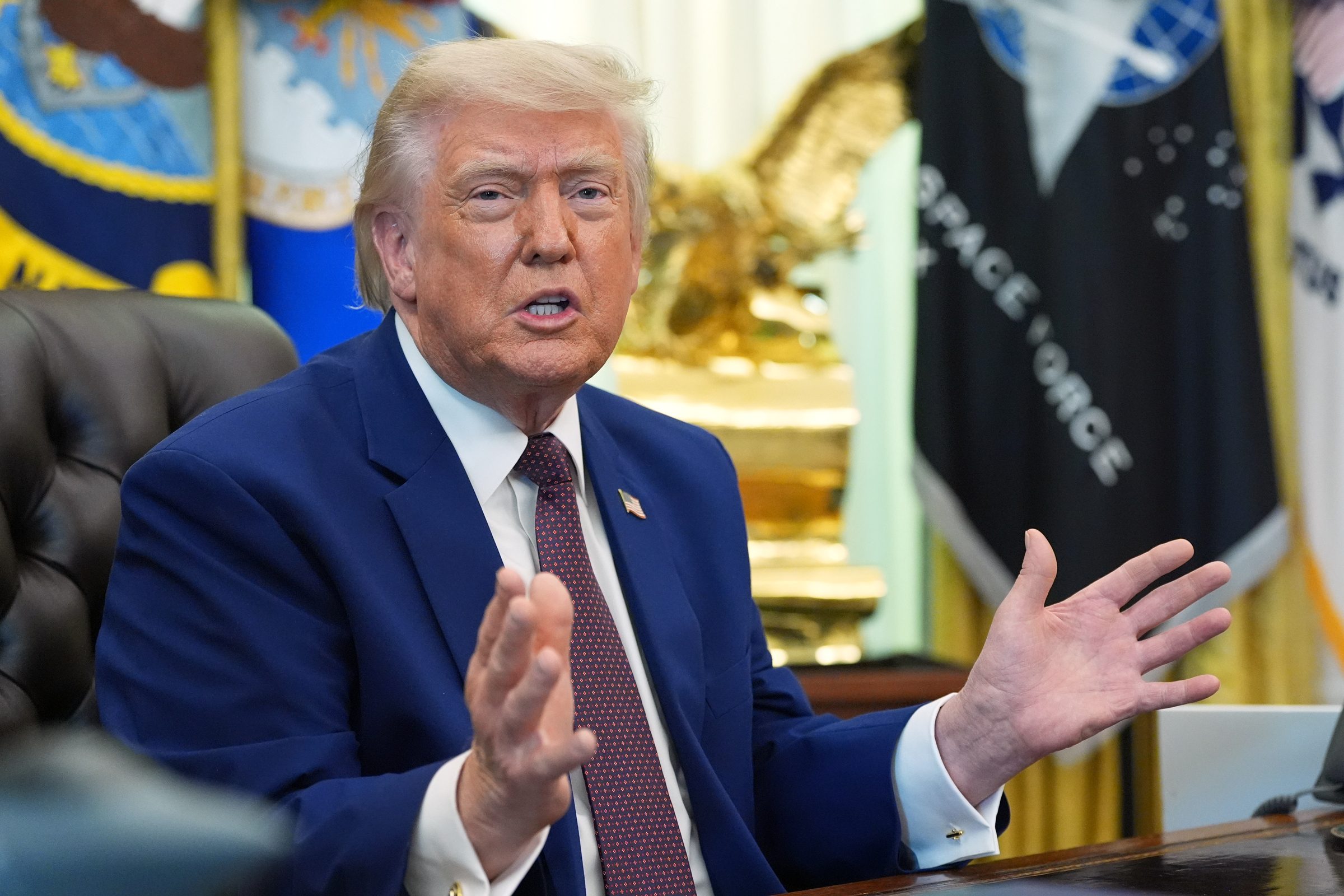 |
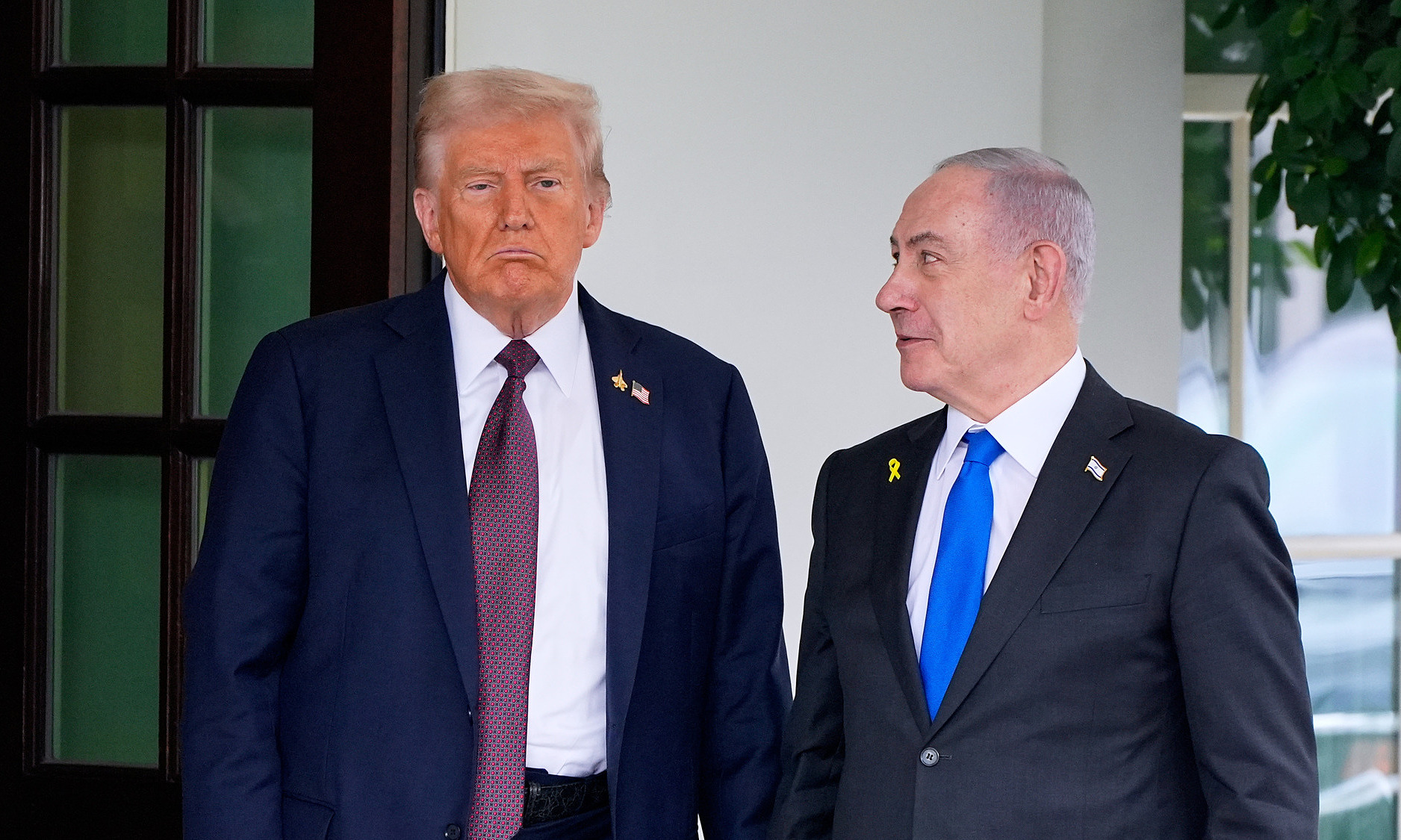
US President Donald Trump in the Oval Office at the White House on 3/6. *Photo: AP* |
Foreign Minister Araghchi issued a stern warning, stating that if Israel launched an attack on the Lebanese capital Beirut to counter Hezbollah, the conflict could "re-erupt fully". He further asserted, "Our armed forces are ready to attack Israel if they attack Beirut".
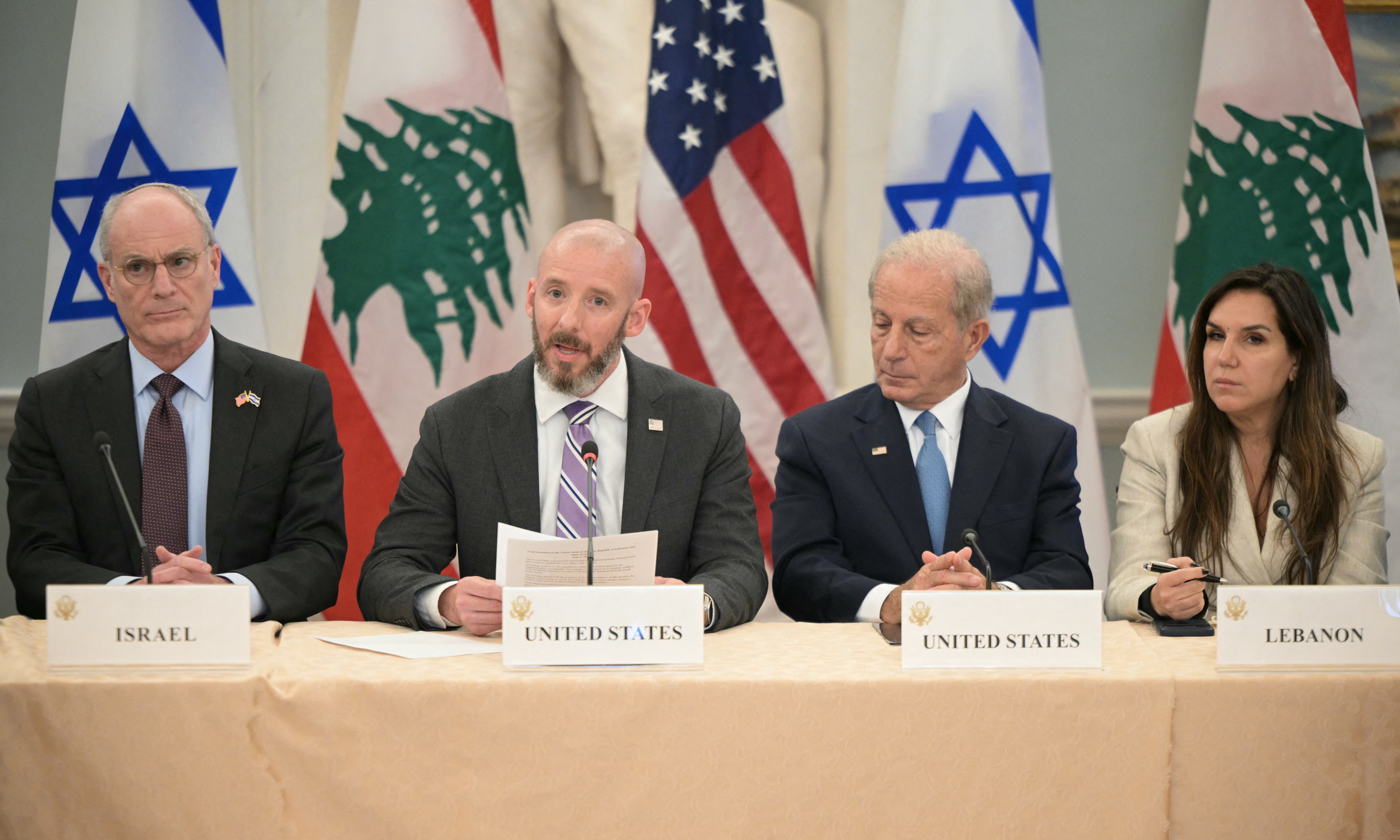
US Secretary of State Marco Rubio highlighted Iran's high-enriched uranium stockpiles as a central point of discussions with Tehran. Rubio also expressed hope that the latest round of negotiations in Washington between Israel and Lebanon would establish a new security roadmap.
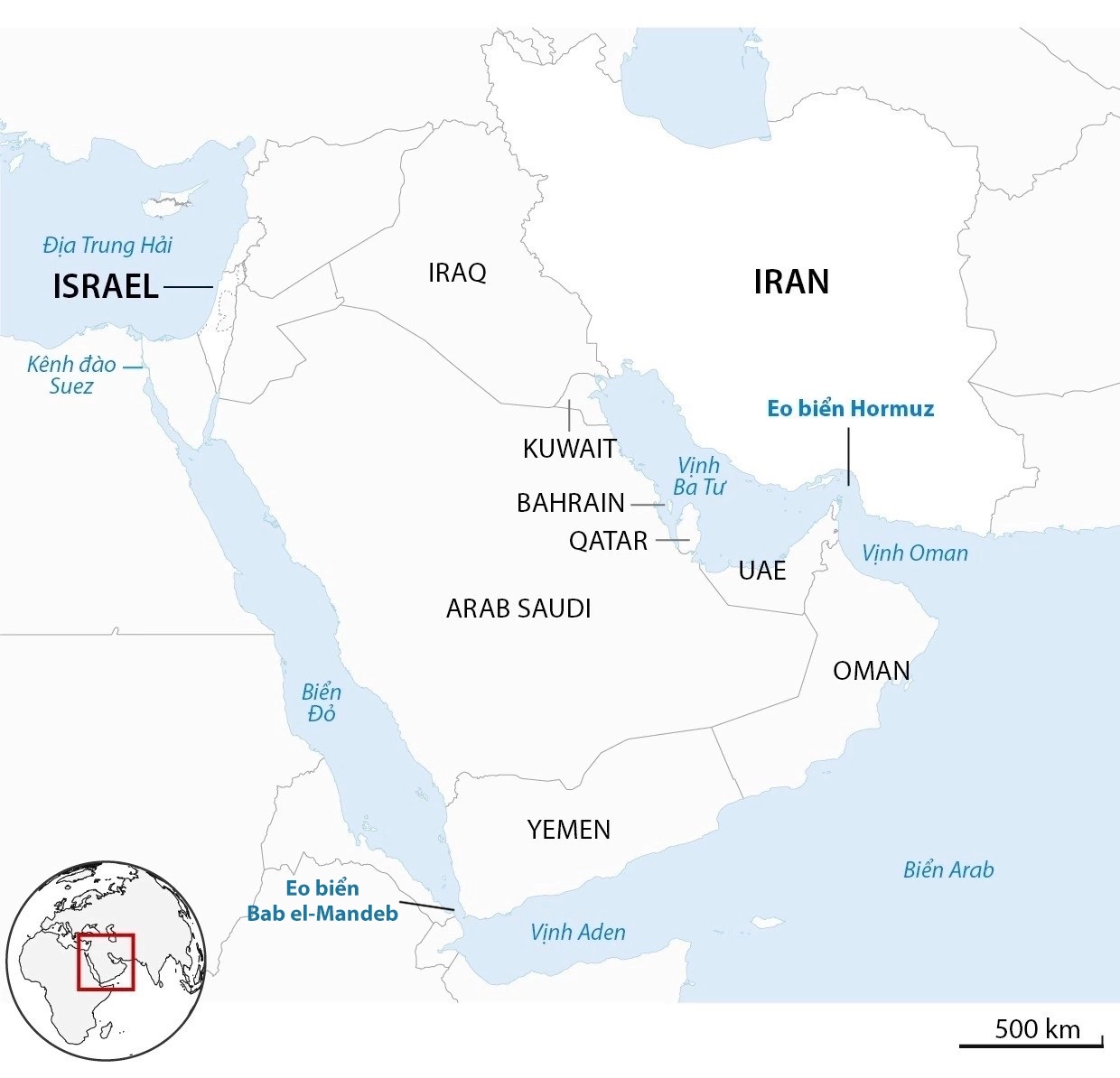 |
Location of the Strait of Hormuz and regional countries. *Graphic: Guardian* |
Washington has emphasized that Tehran must surrender its near-weapons-grade enriched uranium stockpile, agree to limit nuclear activities, and reopen the Strait of Hormuz. The Strait of Hormuz is a crucial shipping route for Gulf oil and gas, and these are stipulated as conditions for a peace agreement to take effect.
The US and Iran established a ceasefire in early 4, which they have maintained. Despite this, several exchanges of fire have occurred since then, though none have escalated into full-scale conflict.
Thanh Tam (According to AFP)