US President Donald Trump stated on the Pod Force One podcast, aired on 3/6, that he wishes to meet Iran's Supreme Leader Mojtaba Khamenei. Trump mentioned he heard Khamenei was unwell but still supported negotiations, adding that he had not yet had the chance to meet him.
"I want to meet him. We will probably meet at some point, depending on how things develop," the US president said.
When asked if Khamenei would participate in negotiations to end the conflict with the US, Trump responded, "Certainly, and I think they have great respect for him. They say he is the one who approves decisions."
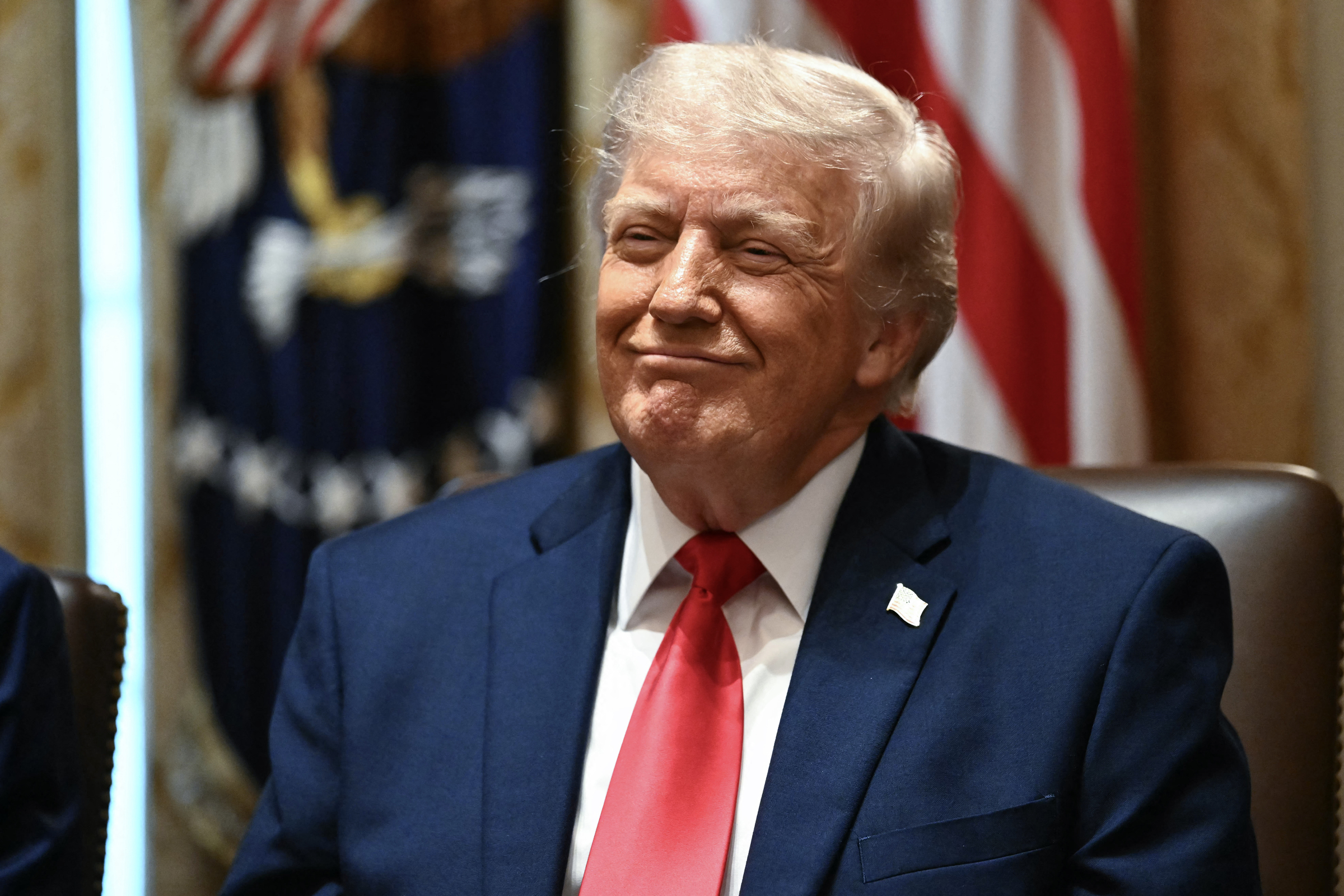 |
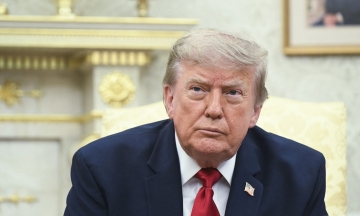
US President Donald Trump during a meeting at the White House on 27/5. *Photo: AFP*. |
Mojtaba Khamenei, 56, was elected Iran's Supreme Leader on 8/3. This followed the death of his father, the late leader Ali Khamenei, in a coordinated US-Israeli airstrike on 28/2. Mojtaba Khamenei was reportedly injured in that attack and has not appeared publicly since.
President Trump views the conflict with Iran as a success, asserting that the country's military has been defeated. "The Iran operation was a great success. We will see what happens. We are working to get a deal, and it will be fine. If it doesn't happen, that's fine too. We will do it another way," he said, adding that Iran "agreed not to possess nuclear weapons."
Trump did not specify what "another way" entailed, but he had previously warned the US would resume attacks on Iran.
Iran's nuclear program remains a major sticking point in negotiations between Washington and Tehran. Iran currently possesses over 400 kg of highly enriched uranium, reportedly near the threshold needed to produce nuclear weapons.
Israeli officials state this amount of uranium is sufficient for Iran to produce 11 nuclear bombs if further enriched. However, Iranian officials have repeatedly declared their nuclear program serves peaceful purposes, not for atomic bomb production.
Mohsen Rezaee, a member of Iran's Expediency Discernment Council, stated Tehran would respond to "every shot and act of aggression" by launching volleys of missiles and drones at US targets and regional allies.
"Whether in negotiations or in moving towards a ceasefire, we will not allow the US to dominate," Rezaee, a former commander of Iran's Islamic Revolutionary Guard Corps (IRGC), wrote in a post on X.
By Thanh Tam (Reuters, CNN, Al Jazeera)