The US Federal Aviation Administration (FAA) on 16/12 advised civil aircraft to exercise caution when operating in and around Venezuelan airspace. The FAA stated this action stems from "an increasingly grave security situation and heightened military activity" in Venezuela and its vicinity.
"The threat could pose potential risks to aircraft at all altitudes, including while overflying, during takeoff and landing phases, and at airports," the FAA said. The notice's wording remains consistent with an advisory issued on 21/11.
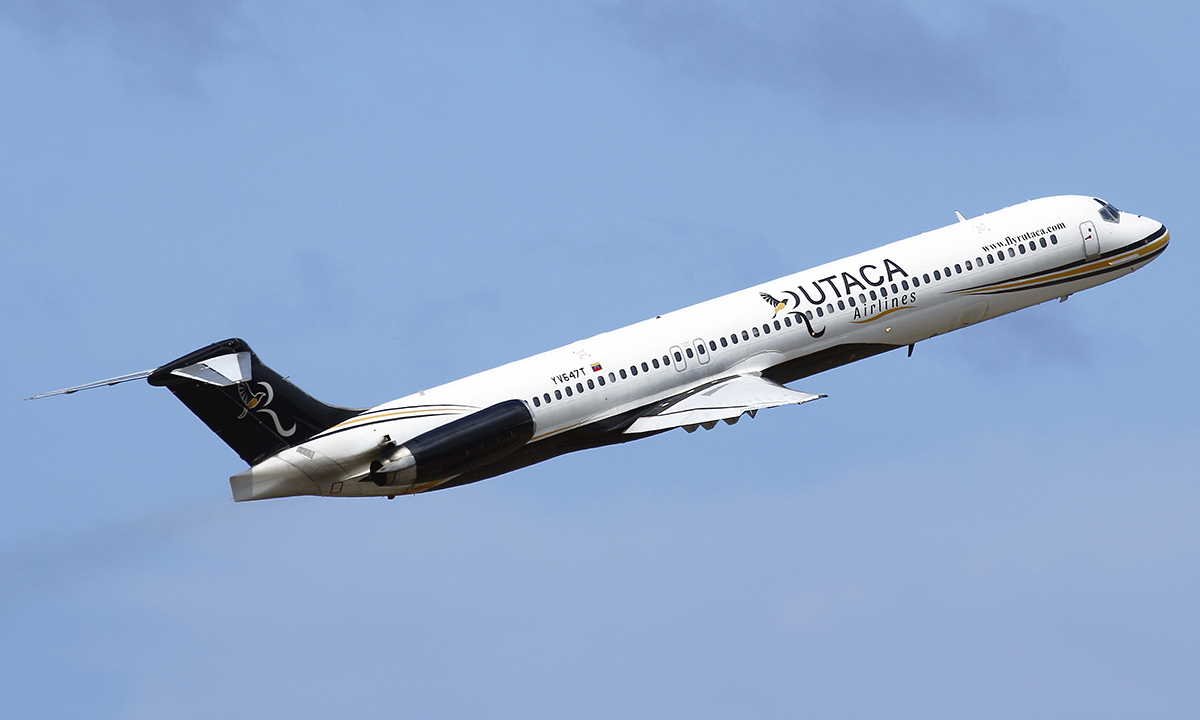 |
An aircraft takes off from Caracas International Airport, Venezuela, in 12/2024. *Photo: Jet Photos* |
The FAA issued its advisory days after JetBlue reported that one of its A320 aircraft was nearly involved in a collision with a US refueling plane near Venezuela. The incident occurred on 12/12, as the JetBlue flight departed from Curacao, an island nation off Venezuela's northwest coast, en route to New York City.
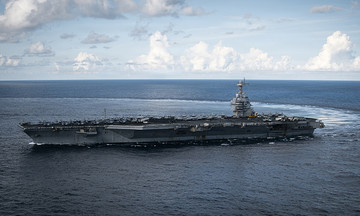
The US military has deployed the Gerald R. Ford carrier strike group to the area near Venezuela, including at least 8 surface ships, a special operations support ship, an attack submarine, F-35 stealth fighters, AC-130 gunships, transport aircraft, drones, electronic warfare aircraft, search and rescue aircraft, and over 15,000 troops.
US KC-135 and KC-46 refueling aircraft have conducted numerous missions from regional airports. Additionally, F/A-18 fighters and B-52 bombers have previously flown close to Venezuela.
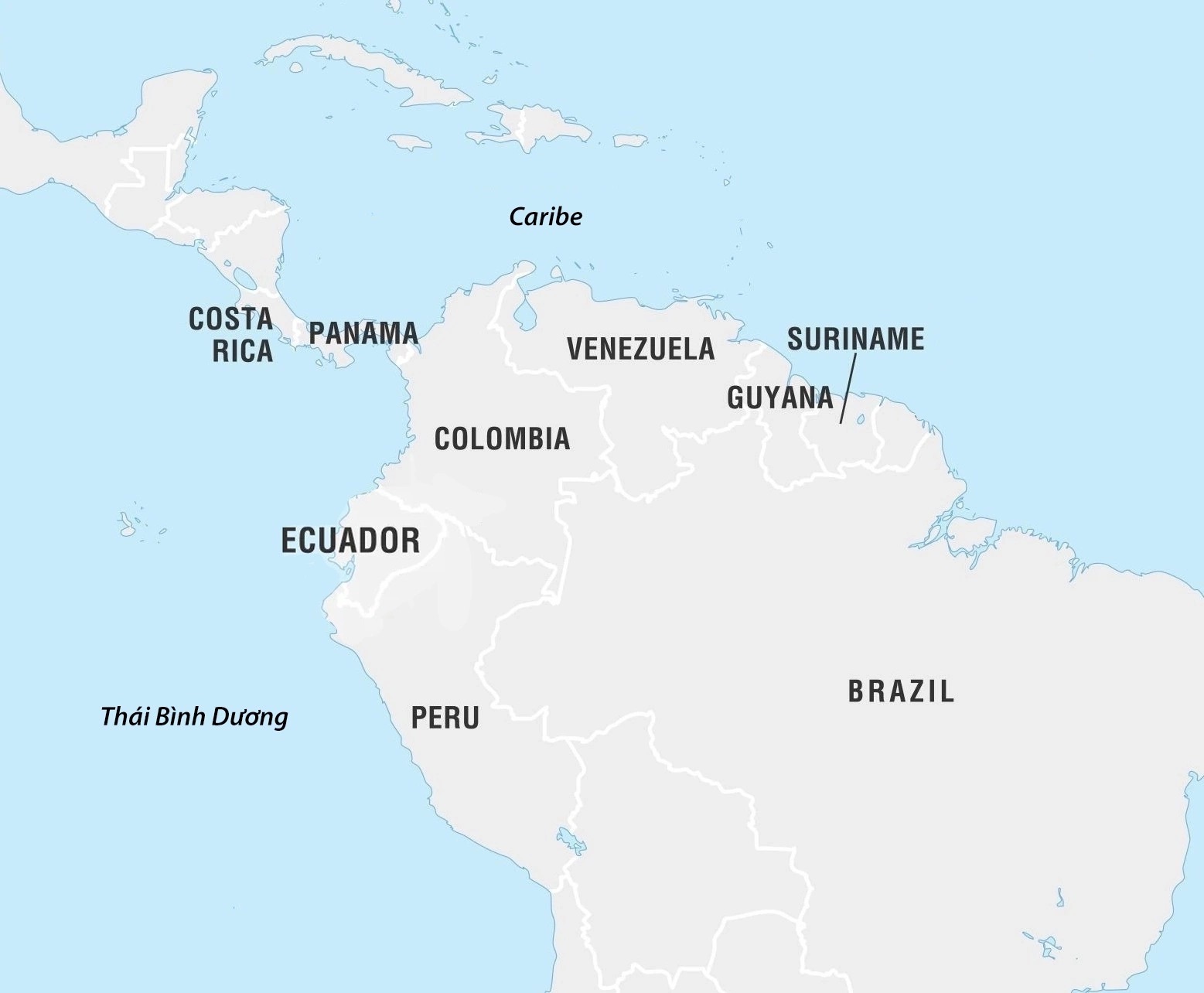 |
The location of Venezuela and the Caribbean Sea. *Graphic: Britannica* |
President Nicolas Maduro views the military mobilization as an indication of US intentions for regime change in Venezuela.
President Trump on 2/12 announced he would order land-based strikes against drug criminals, rather than solely targeting suspected drug vessels at sea. He also asserted that any nation transporting drugs to the US, including Venezuela, could face attack.
Nguyen Tien (According to AFP, AP)