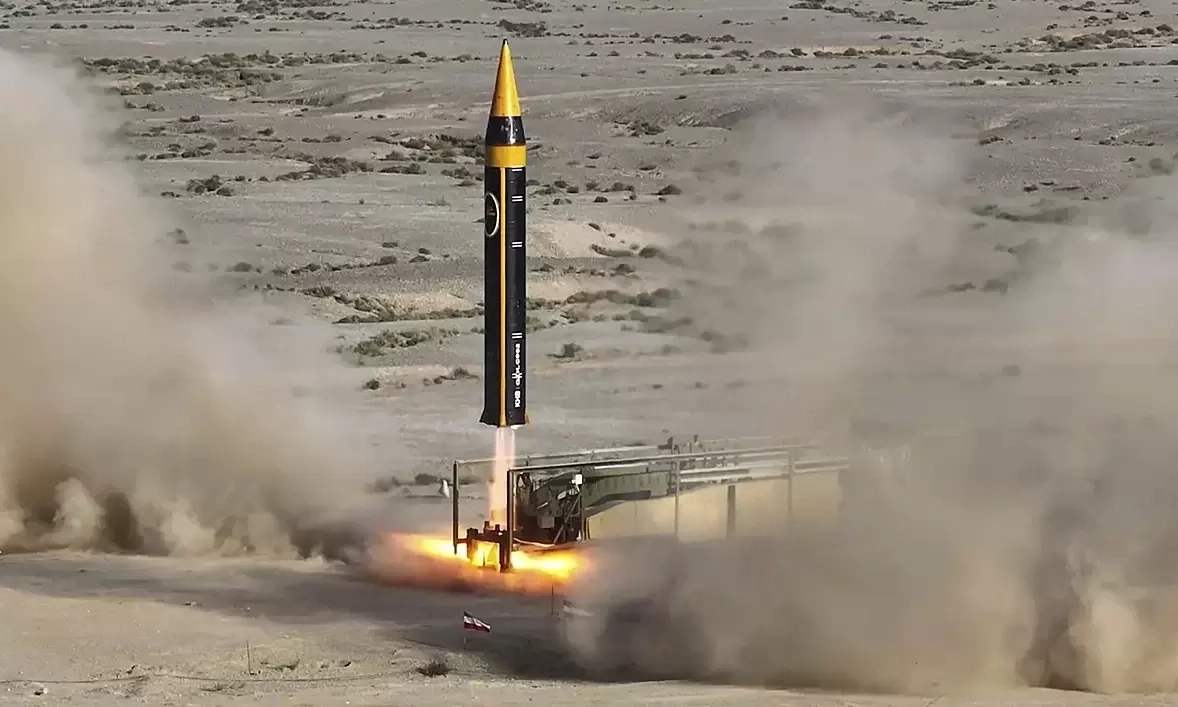
"Frankly, Iran is stronger than 90 days ago because they have used inexpensive, destructive unmanned aerial vehicles not only to blockade the Strait of Hormuz but also to attack our partners and allies in the region, causing damage to oil and gas infrastructure, and targeting US embassies and bases," stated Senator Chris Coons, a member of the US Senate Foreign Relations Committee, on Fox News Sunday on 31/5.
Coons emphasized that the US needs to change its strategy in the Middle East. "A tougher and more effective solution is needed to counter Iran's ability to blockade the Strait of Hormuz at any time," he added.
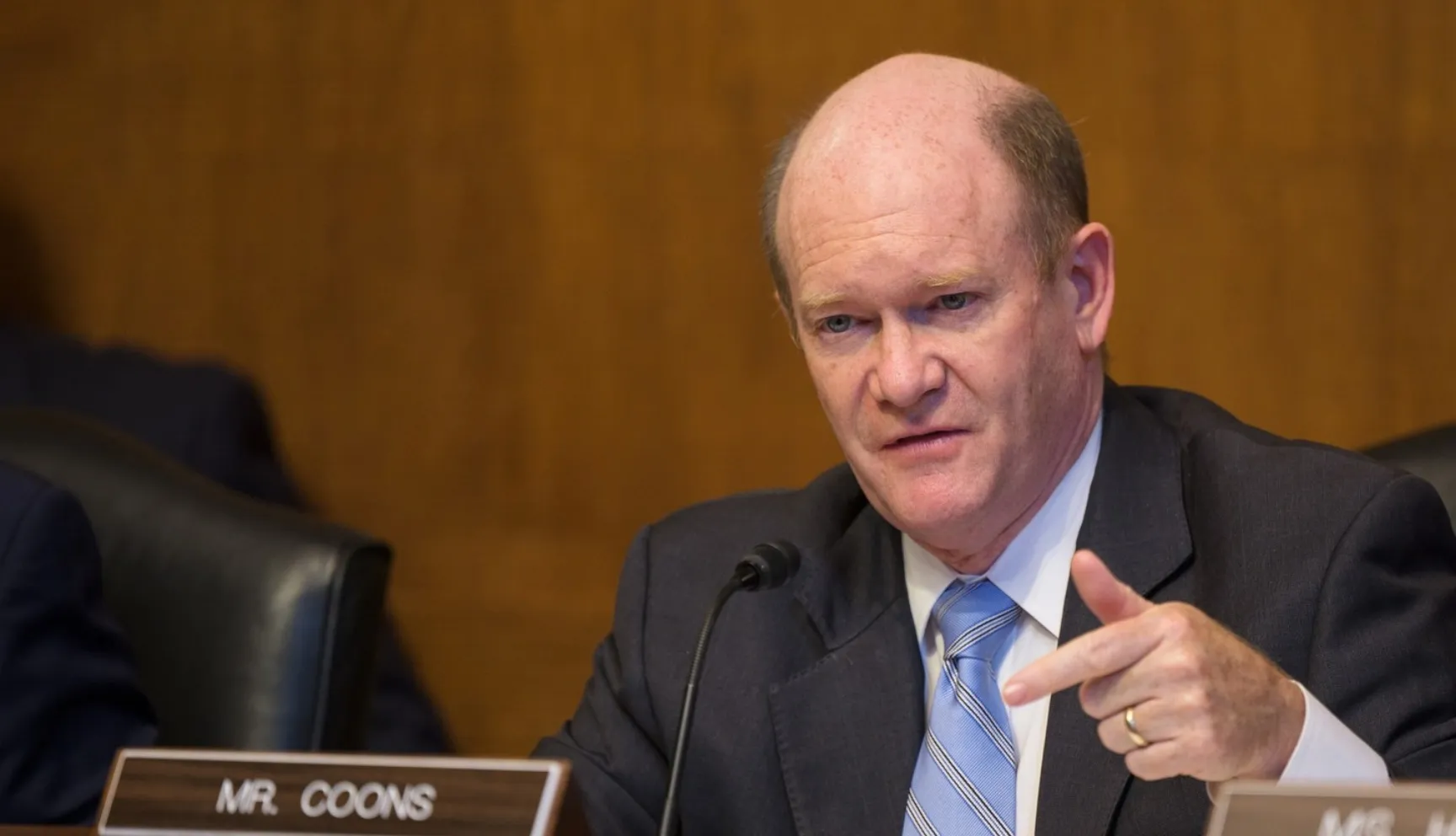 |
Senator Chris Coons at a meeting in the US Senate. Photo: Senate.gov
According to the US senator, the terms President Donald Trump proposed for a deal with Iran "seem acceptable in theory," but he doubted their enforceability in practice, especially concerning the Strait of Hormuz.
"The US could use its technological advantage to bomb major facilities in Iran, but it would not prevent them from maintaining the ability to use sea mines to blockade the area or deploy unmanned aerial vehicles to attack US and allied forces. We will need an agreement tough enough to truly address the new capabilities Iran has demonstrated in the conflict," he said.
US and Iranian negotiators have reached a preliminary agreement, but the document has not yet been approved by leaders. Anonymous sources indicated that the agreement would extend the ceasefire for 60 days, reopen the Strait of Hormuz, and initiate further negotiations on Iran's nuclear program.
US media reported on 30/5 that President Donald Trump wanted to tighten the terms and had sent a tougher agreement framework for Iran to consider. This move means negotiations will be prolonged for several more days before the parties can reach a consensus to end the conflict.
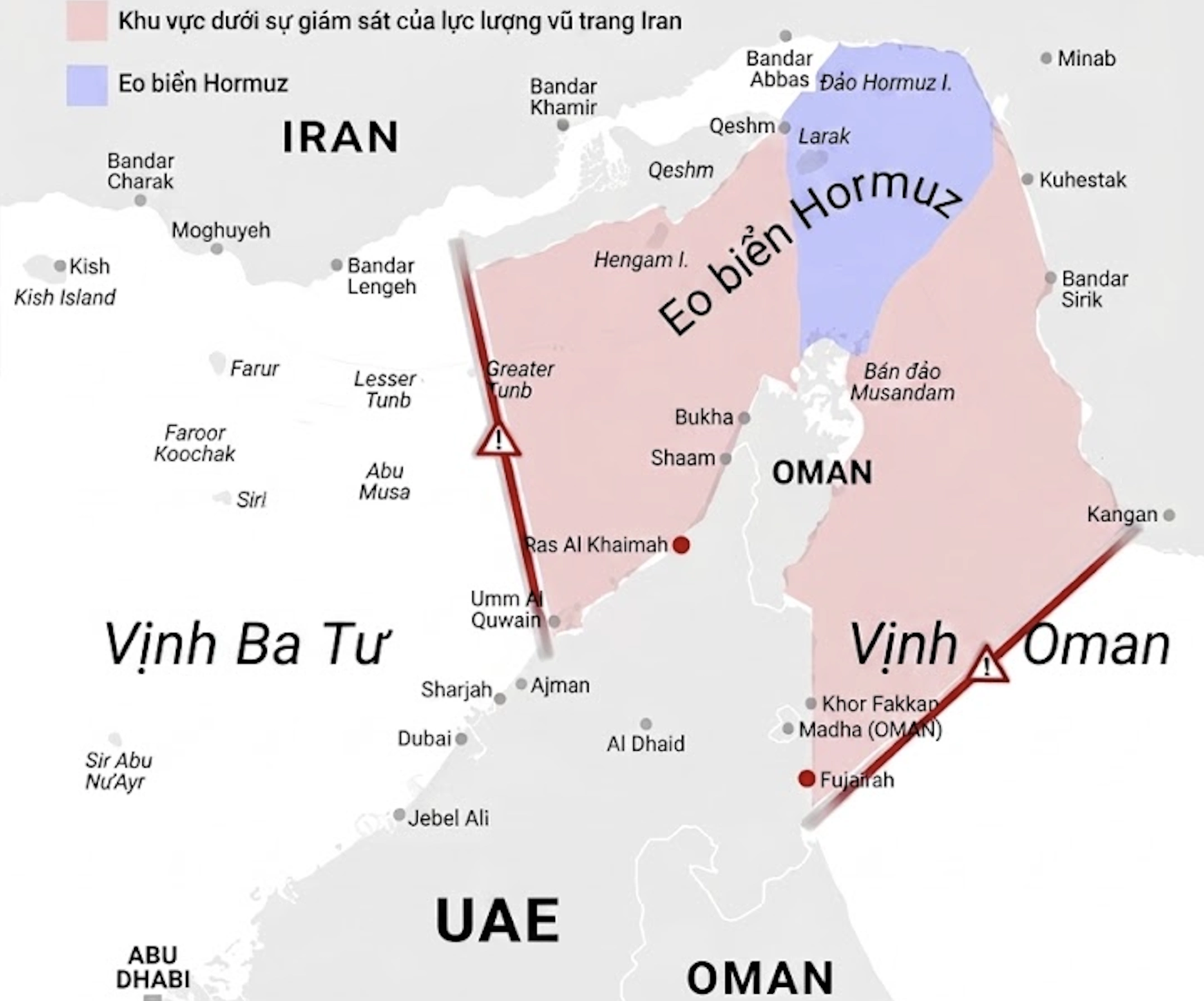 |
Map of Iran's control over the Strait of Hormuz and adjacent waters. Graphic: X/PGSA
Iranian Parliament Speaker Mohammad Bagher Ghalibaf, who led the negotiating delegation with the US, criticized Washington on 31/5 as an "unreliable" partner, asserting that Tehran would not accept an agreement unless its interests were fully guaranteed.
In response to Iran closing the Strait of Hormuz, Trump directed the US Navy to blockade enemy seaports and clear sea mines in the area.
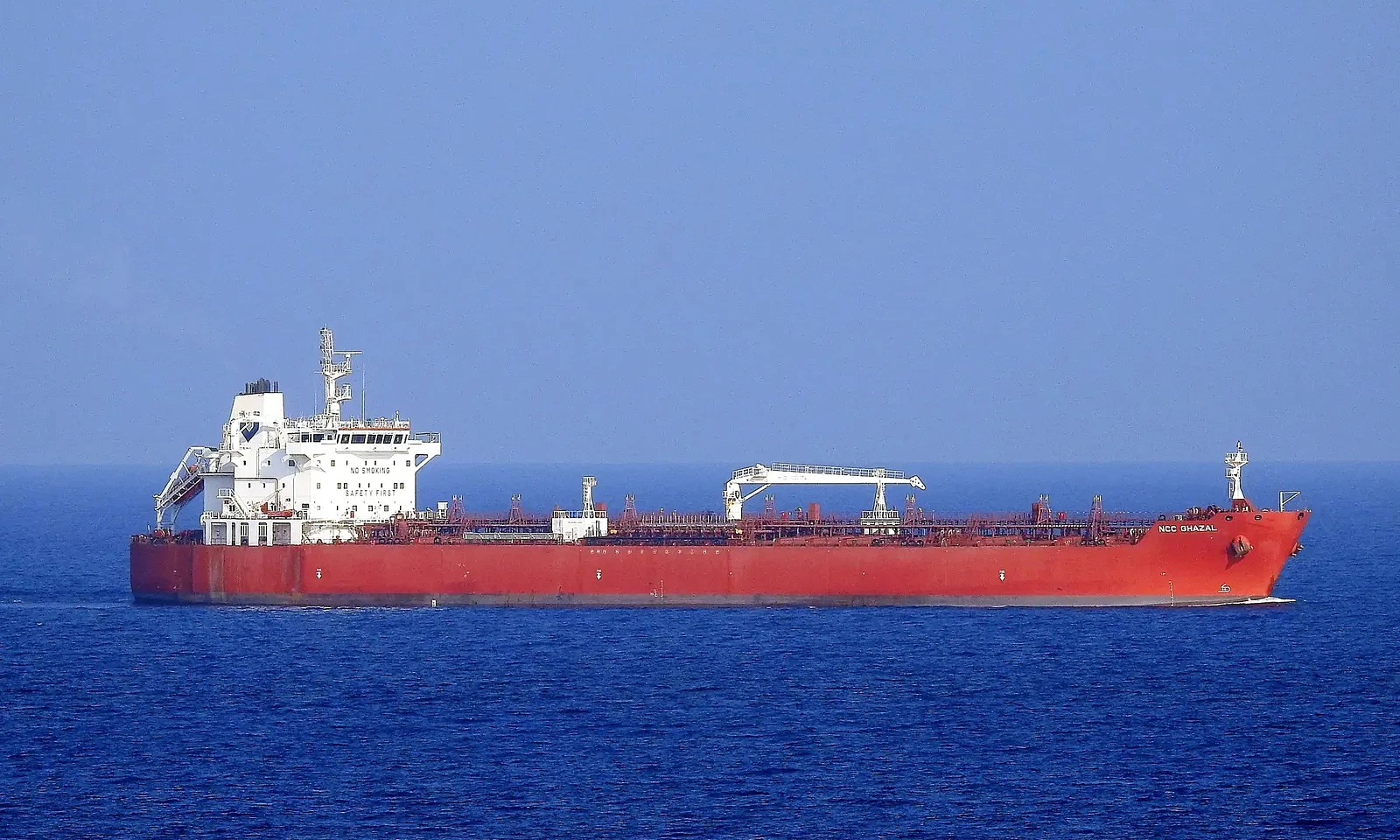
The blockade continued as negotiations progressed. On 29/5, the US Navy launched missiles, neutralizing a Gambia-flagged cargo ship suspected of heading to Iran. This was the 5th commercial vessel neutralized by the US military since the blockade began, while 116 ships were forced to divert.
Huyen Le (According to Hill, CNN)