US Central Command (CENTCOM) announced early on 8/7 that it had commenced "a series of robust attacks" in response to Iran's targeting and striking of commercial vessels in the Strait of Hormuz.
"Iran has demonstrated unprovoked and dangerous aggression, clearly violating the ceasefire", CENTCOM stated, warning that this retaliatory airstrike would make Iran "pay a heavy price."
Iran's Fars news agency reported multiple explosions in Sirik city, Qeshm island, and areas east and west of Bandar Abbas city. Iranian state television recorded 6 explosions on Qeshm island, the largest island near the Strait of Hormuz and strategically located for controlling the shipping lane. Additionally, 7 other explosions were recorded near Sirik port, also close to the Strait of Hormuz and considered a strategic location for controlling the sea route.
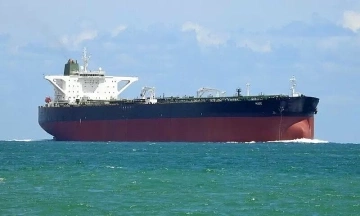
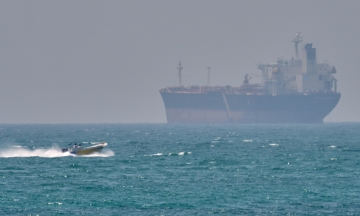
The US airstrikes occurred shortly after the United Kingdom Maritime Trade Operations (UKMTO) reported three vessels attacked near the coast of Oman on 7/7, while transiting the Strait of Hormuz. These included Qatar's Al-Rekayyat liquefied natural gas (LNG) tanker and a Saudi Arabian-flagged oil tanker.
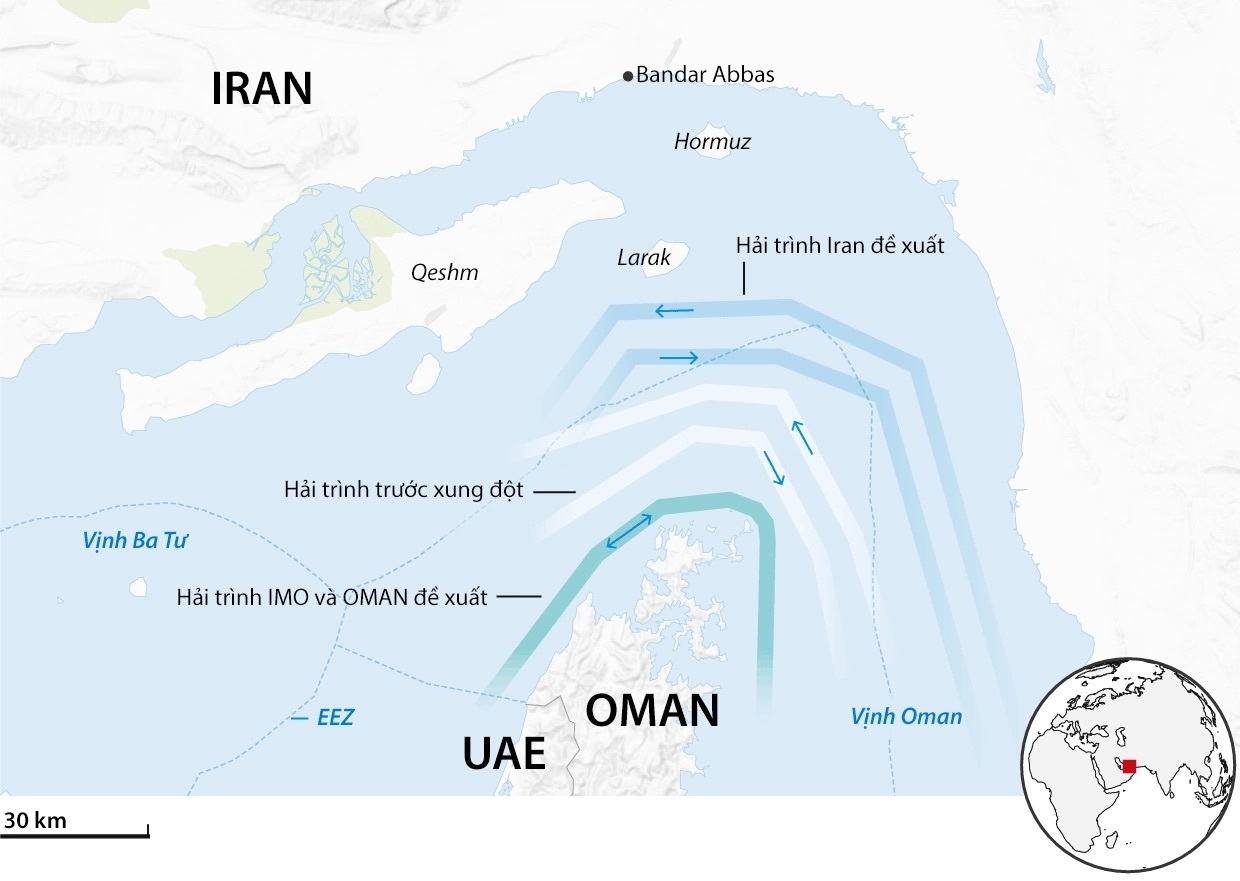 |
Locations of Bandar Abbas, Qeshm island, and shipping routes through the Strait of Hormuz. Graphic: Guardian |
Qatar's Ministry of Foreign Affairs declared Iran fully legally responsible for the attack and all resulting consequences. The ministry also summoned Iran's deputy ambassador to protest and demand Tehran immediately cease actions undermining regional security. Saudi Arabia's Ministry of Foreign Affairs also condemned the attack on its oil tanker, calling on Iran to cease actions threatening international maritime safety and global energy supplies.
Iran neither confirmed nor denied accusations that it was behind the recent attacks in the Strait of Hormuz. Instead, Tehran emphasized its control and authority over the shipping lane.
By Thanh Danh (According to Al Jazeera, AFP)