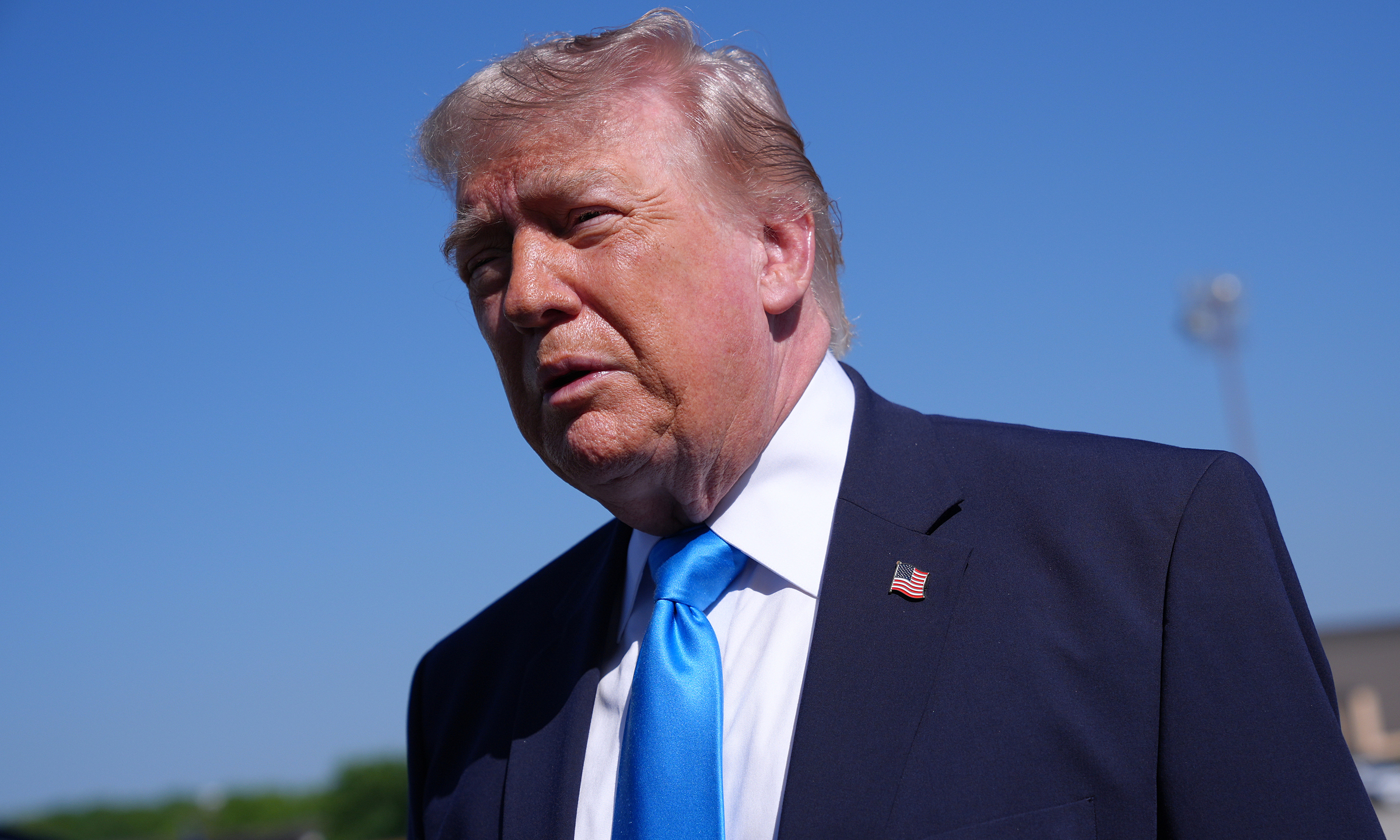
The incident occurred near Laredo, Texas, on the evening of 18/5, but CNN only reported it on 20/5. The 22-meter-long balloon, owned by the US military, was loaned to and operated by contractors for Customs and Border Protection (CBP).
A spokesperson for the Joint Task Force - South Border (JTF-SB) under the US Northern Command stated that the balloon's mooring cables became entangled with other cables during a thunderstorm. Data from the US National Weather Service indicated the area near the incident experienced a severe thunderstorm with wind gusts of about 70 km/h.
The operating team attempted to untangle the cables, but the balloon broke free from its moorings and drifted away. Its location was unknown until the Mexican military discovered debris in a remote area southwest of Laredo. "The two countries' militaries are coordinating to recover the equipment", a JTF-SB spokesperson said.
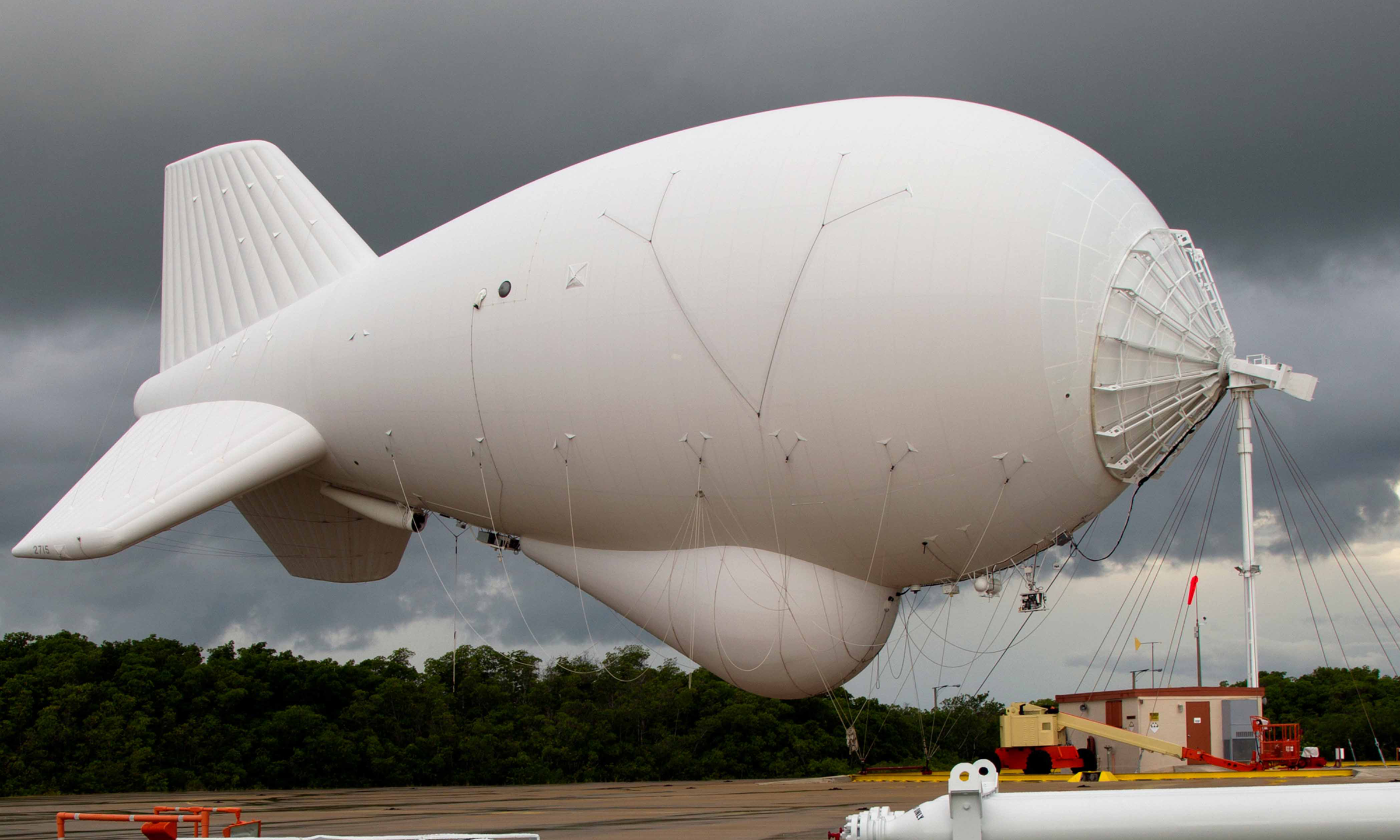 |
A model of a balloon operated by CBP, pictured in 2025. Photo: CBP. |
The incident caused no casualties or property damage on the ground.
The US military declined to identify the specific model of the device involved, describing it only as a "medium-sized balloon". CBP did not respond to requests for comment.
CBP operates surveillance balloons across the US southern border region. Some are equipped with high-performance cameras, while others carry radar specialized in detecting unmanned aerial vehicles (drones) and aircraft used by smuggling groups.
Border Patrol (USBP), a component of CBP, began using small tactical balloons for surveillance missions in 2012. Many are owned by the US military, part of a 5 billion USD order to develop and acquire over 140 surveillance balloons during the conflicts in Iraq and Afghanistan.
CBP previously lost a large surveillance balloon in March 2025. The device, over 60 meters long, broke free from its moorings and drifted about 950 km before colliding with power lines near Dallas.
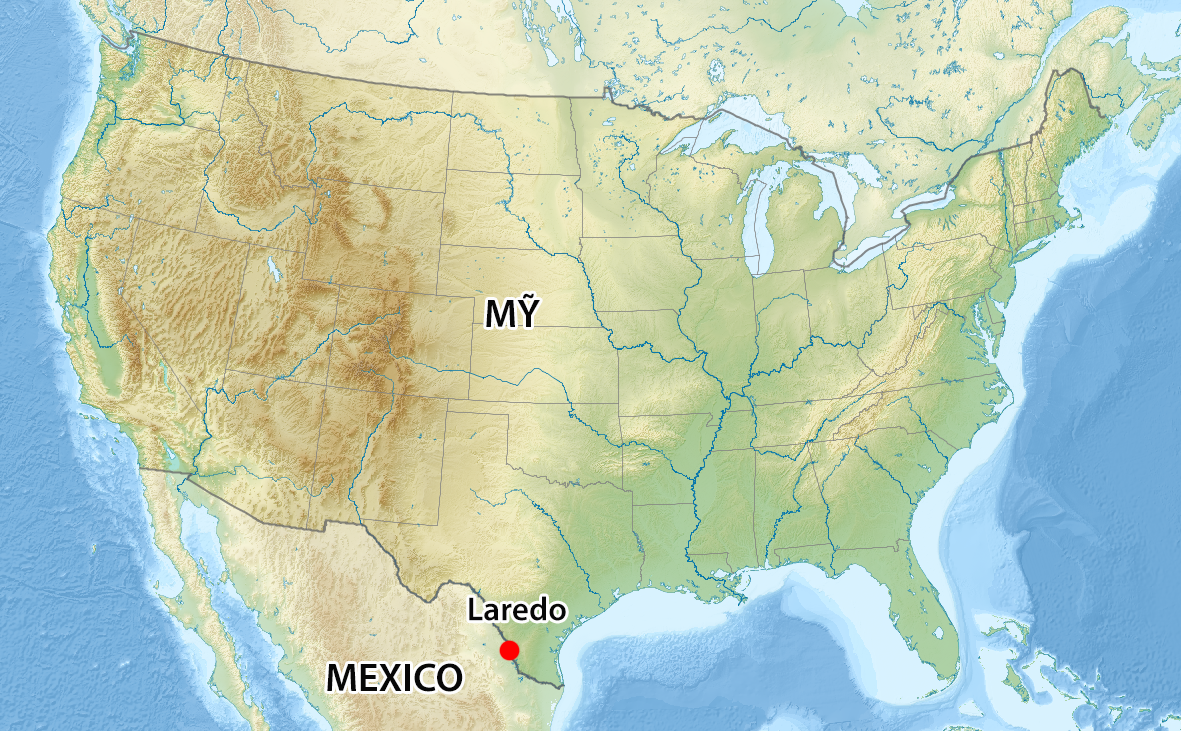 |
Location of Laredo. Graphic: Wikimedia. |
CBP plays a crucial role in President Donald Trump's efforts to secure the US-Mexico border and curb illegal immigration. His initiatives provided CBP with significant personnel and military equipment, but this sometimes led to unintended consequences.
In February, the US Federal Aviation Administration abruptly closed civilian airspace over El Paso, Texas, after CBP used a high-powered laser system supplied by the Pentagon to shoot down a balloon that officials mistook for a "drug cartel drone".
By Pham Giang (Source: CNN)