"a military option still exists, but the primary focus is on using economic pressure by enforcing sanctions to achieve the white house's desired outcome," a U.S. official, who spoke on condition of anonymity, told Reuters on December 24.
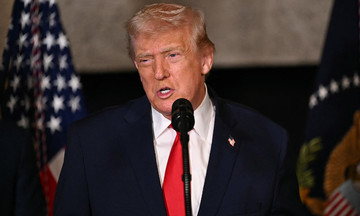
the United States has recently intensified pressure on Venezuelan President Nicolas Maduro's government. U.S. President Donald Trump stated on December 22 that "the wise option for Mr. Maduro is to relinquish power."
"so far, U.S. efforts have placed immense pressure on President Maduro. many believe that by the end of January 2026, Venezuela will face economic disaster if it does not accept significant concessions to the U.S.," the U.S. official added.
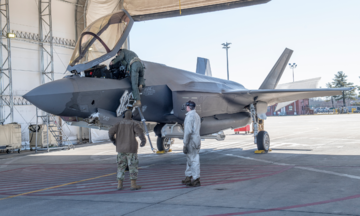
the White House and the Pentagon have not yet commented on this information. the U.S. has deployed a substantial military force in the Caribbean, comprising over 15,000 troops. this includes one aircraft carrier, 11 other warships, and over 10 F-35 fighter jets. while many types of equipment can be used to enforce an oil "blockade," other vehicles, such as fighter jets, are not suitable for this mission.
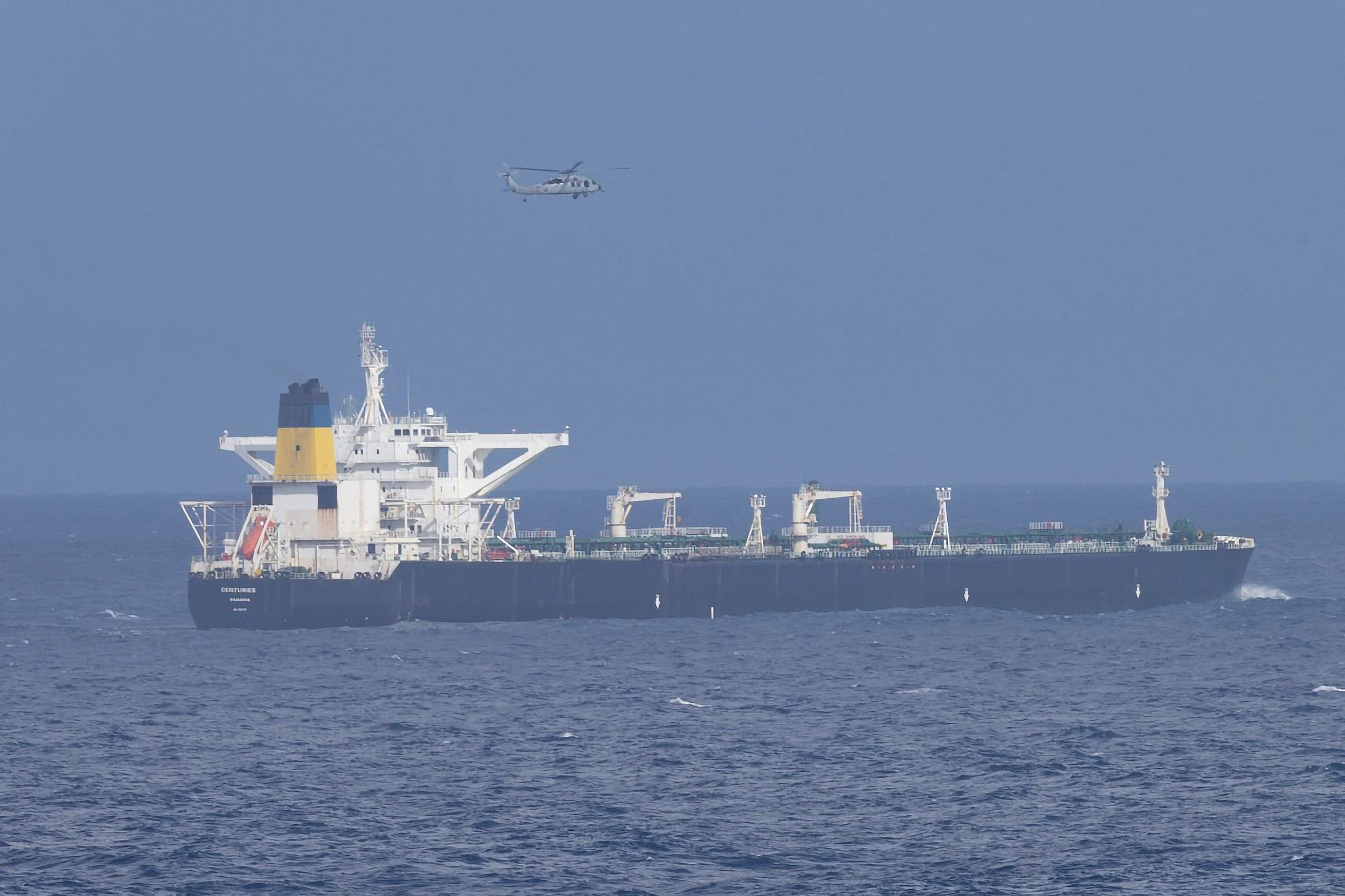 |
the oil tanker Centuries was intercepted by the U.S. Coast Guard in the Caribbean on December 20 after departing a Venezuelan port. *U.S. Department of Homeland Security photo*.
the U.S. President has repeatedly accused Venezuela of using its national oil resources to finance "drug trafficking, human trafficking, murder, and kidnapping." Caracas denies all allegations, asserting that Washington is attempting to seize the world's largest oil reserves located in Venezuelan territory.
on December 16, Mr. Trump announced a blockade targeting "sanctioned oil tankers" traveling to and from Venezuela. days later, the U.S. seized two Venezuelan oil tankers in Caribbean waters. on December 21, the U.S. Coast Guard attempted to intercept a third oil tanker, but was unsuccessful as the vessel refused to comply and sped away.
during a United Nations Security Council meeting on December 23, Russia and China condemned the U.S. for its interception of Venezuelan oil tankers. Venezuelan Ambassador Samuel Moncada stated that his country is facing "forces acting in defiance of international law, compelling people to leave the country," describing it as "the largest extortion in history."
U.S. Ambassador Mike Waltz countered the criticism, stating that the U.S. would do everything possible to "protect the hemisphere, its borders, and its people." he also reiterated accusations that President Maduro leads the Cartel de los Soles drug gang, despite a lack of evidence to date.
by Huyen Le (according to Reuters, Newsweek)