This week, Las Vegas hosts the world's largest consumer electronics exhibition, where investors are betting on artificial intelligence to revitalize an industry grappling with slowing progress, rising costs, safety incidents, and stringent regulatory oversight.
As automakers scale back or even pause electric vehicle plans and search for new revenue streams, numerous automotive suppliers and startups are poised to unveil their latest autonomous vehicle hardware and software. Significant announcements are anticipated at CES 2026, including agreements and partnerships that promise to substantially reduce or entirely eliminate the need for human drivers.
C.J. Finn, head of the U.S. automotive industry at PwC, stated that the industry will closely monitor how companies utilize AI to safely deploy driverless cars. Finn emphasized that connectivity in autonomous vehicles will be a key focus.
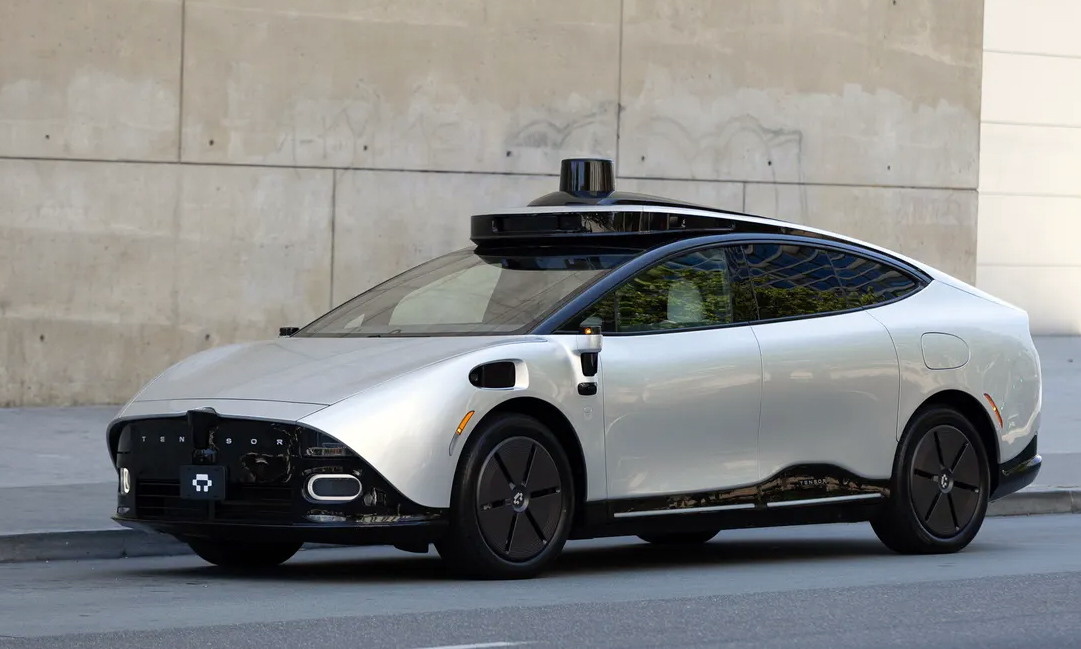 |
Tensor's Robotcar model will showcase self-driving technology at CES, featuring a disappearing steering wheel when human control is not required. Photo: Tensor |
Tensor's Robotcar model will showcase self-driving technology at CES, featuring a disappearing steering wheel when human control is not required. Photo: Tensor
Beyond automobiles, AI is also expected to be integrated into a broader range of products, including robots, smart wearables, home appliances, and medical technology.
Tech giants, including Nvidia CEO Jensen Huang and AMD CEO Lisa Su, are among this year's keynote speakers.
CES 2026 is scheduled for 6-9/1. While historically a launchpad for consumer electronics like TVs, laptops, and smart wearables, the exhibition has recently become a key venue for automakers to unveil electric vehicles.
However, the Donald Trump administration's reduction of electric vehicle-friendly policies and incentives has dampened demand. This has compelled many automakers to abandon new electric vehicle launch plans and reevaluate their strategies.
This disruption will be evident at CES, as most major automakers have no plans to launch new electric vehicle models this year, a stark contrast to previous years.
The commercialization of autonomous vehicles has proven challenging. High investment costs, regulatory hurdles, and post-collision investigations have led to the closure of many companies in the sector.
However, new momentum has entered the industry with Tesla's launch of a small robotaxi service with a safety monitoring system in Austin, Texas in 2025, alongside the rapid expansion of Alphabet's Waymo.
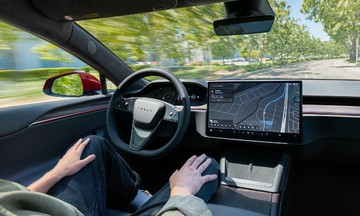
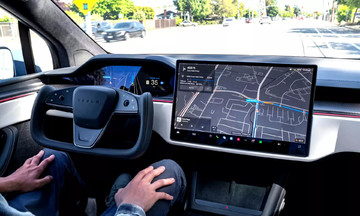
Driver assistance systems for personal vehicles have also improved, with some automakers now offering hands-free driving and automatic lane changes on highways. Companies like Rivian are even targeting "eyes-off" and self-driving capabilities for city streets.
Companies, especially automakers, are strategically investing capital after incurring billions of USD in losses from shifting electric vehicle strategies. They are also grappling with the impact of high tariffs on imported automobiles and auto parts, which Mr. Trump imposed.
Many automakers have chosen to absorb a significant portion of these tariff costs rather than pass them on to customers, further pressing profit margins. This, along with increasing competition from Trung Quoc manufacturers, will also be a primary concern for automakers at CES, according to Felix Stellmaszek, global head of automotive and mobility at Boston Consulting Group.
By My Anh (according to Reuters)