Autonomous driving technology is becoming more sophisticated and gaining user trust. However, despite these advancements, China's Supreme People's Court issued a legal ruling. The decision states that regardless of technological capability, the person behind the wheel bears ultimate legal responsibility for all incidents while driving. This ruling is expected to have broad implications for the smart vehicle market.
The ruling clarifies that activating driver-assistance features does not transfer the operator's role to the computer system. Instead, the individual who activates the system is deemed the operator and is fully responsible for safety.
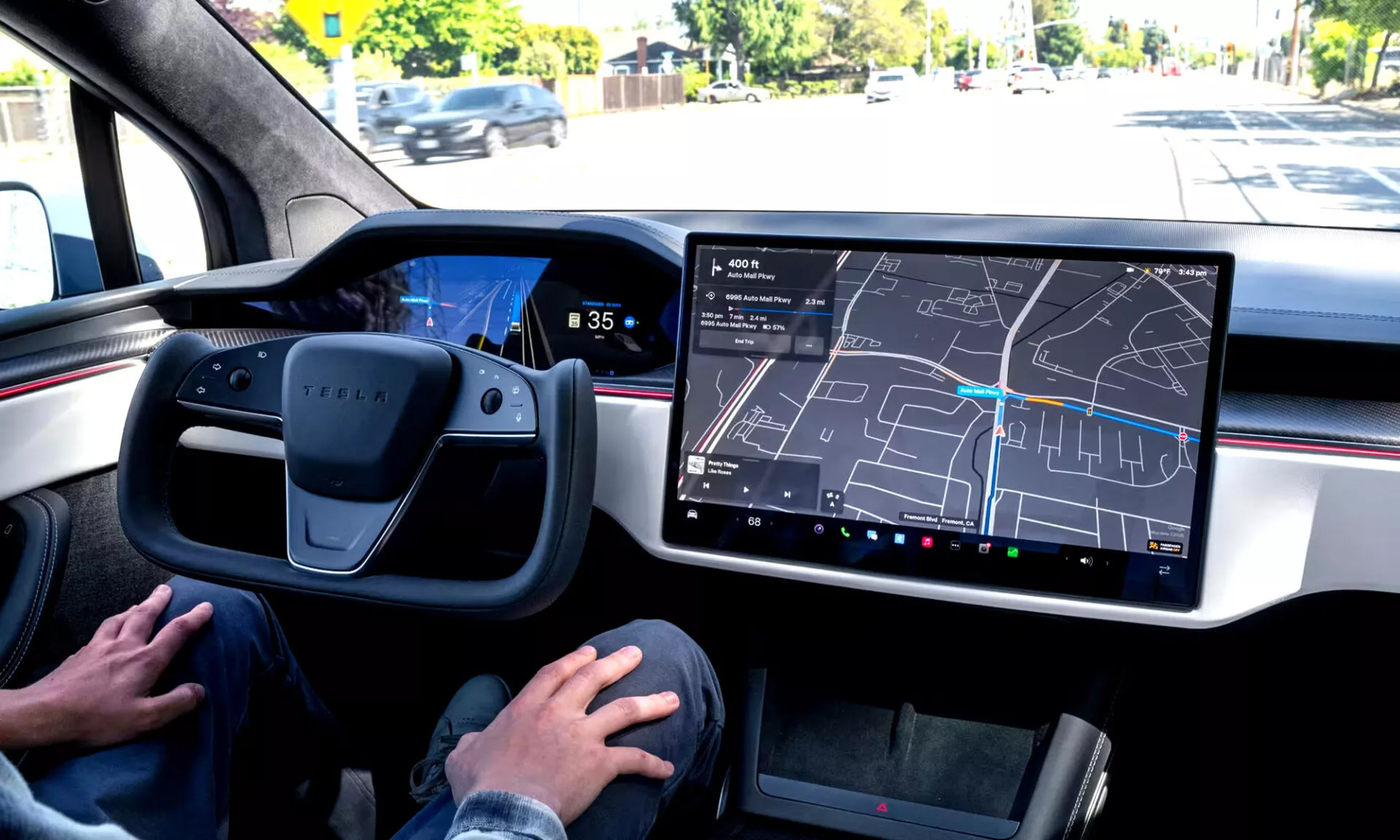 |
A driver removes both hands from the steering wheel while activating a driver-assistance system in a Tesla vehicle. *Photo: Tesla*
This decision comes as advanced driver-assistance systems (ADAS) are becoming standard features in electric and tech-enabled vehicles across China. Authorities have warned about a growing trend of drivers fully relying on technology after engaging autonomous driving mode, leading to dangerous behaviors like using phones, falling asleep, or failing to pay attention to the road.
The guidelines also address "smart driving accessories," devices that enable drivers to deceive monitoring systems into believing they are attentive. The ruling resolves all debates over responsibility: regardless of whether drivers use such devices, simply being in the driver's seat obligates them to ensure safe vehicle operation in all conditions.
Notably, this decision mirrors several previous rulings by US courts. Numerous individuals have sued Tesla, criticizing how the CEO and the company have promoted its semi-autonomous driving feature, autopilot, and full self-driving mode over the years.
However, in most cases, Tesla has prevailed in lawsuits by arguing that drivers are responsible for monitoring the vehicle and its autonomous features. While a Florida ruling in 2025 was unfavorable to Tesla, the case remains under appeal.
The Chinese government's actions could have widespread global effects. The nation's recent ban on flush door handles and yoke-style steering wheels, coupled with an upcoming decision potentially mandating physical buttons over touchscreens, will likely influence automotive design trends worldwide.
Minh Quan (Autohome, Carscoops)