Battery life remains a primary concern for many consumers considering an electric vehicle (EV). There is a common apprehension that EV battery packs degrade quickly, necessitating costly replacements that could run into tens of thousands of USD.
However, real-world performance is proving to be different from earlier forecasts. According to The Wall Street Journal, modern EV batteries demonstrate significantly greater durability than experts anticipated just a few years ago. Many vehicles have traveled hundreds of thousands of kilometers with minimal battery degradation, gradually dispelling worries about battery longevity.
Battery degradation is much slower
Richard Symons, who owns a used EV dealership in the UK, shared that his Tesla Model 3 has covered approximately 398,000 km over five years. Despite this extensive use, the vehicle continues to meet his daily commuting needs and is reliable for long-distance trips.
Data from battery analytics firm Recurrent shows that, on average, EV batteries retain about 95% of their original range after five years of use. This improved performance is attributed to numerous advancements in battery technology, cooling systems, and battery management software. As a result, the rate of battery aging is considerably lower than in previous generations.
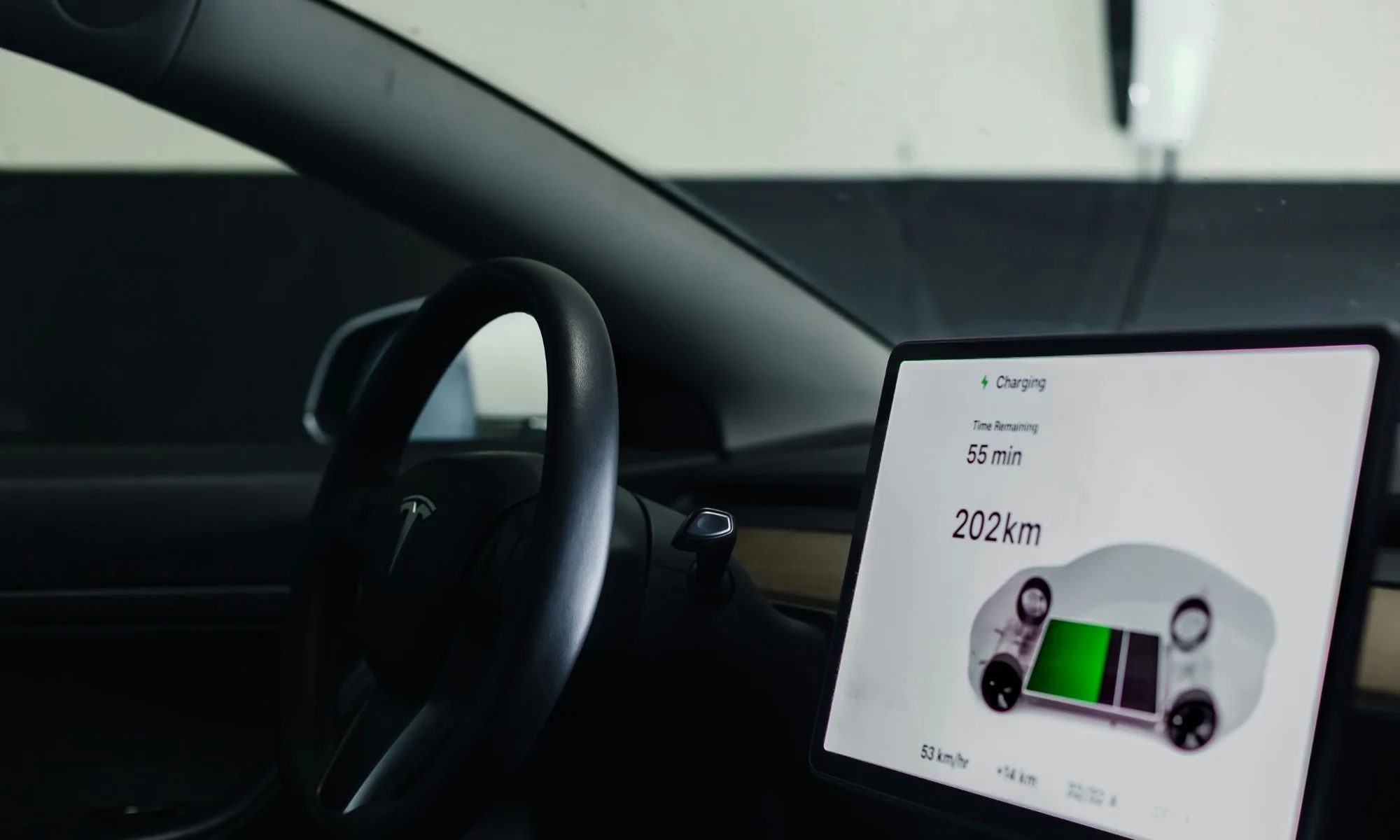 |
A Tesla electric vehicle charging. *Photo: Unsplash* |
Repair statistics further reflect this positive trend. For EV models manufactured between 2011 and 2016, roughly one in 12 vehicles required a battery replacement. For vehicles produced from 2022 onwards, this rate has dropped to approximately 0.3%. Older EV models, such as the Nissan Leaf, which did not utilize liquid cooling systems, experienced faster battery degradation compared to current models.
Despite the significant improvements in battery durability, many consumers still harbor reservations about purchasing an EV. An AutoPacific survey in 2025 revealed that battery replacement costs remain the top concern for buyers. Jessica Caldwell, research director at Edmunds, noted that many customers continue to worry about premature battery failure, even though recent real-world data suggests otherwise.
Usage significantly impacts battery life
Experts indicate that batteries can still degrade quickly if users frequently rely on high-power direct current (DC) fast charging. According to Geotab data, vehicles regularly subjected to fast charging retained approximately 89.7% of their battery capacity after a few years of use. In contrast, vehicles primarily charged using alternating current (AC) or slow charging methods maintained about 94.9% of their capacity.
Beyond excessive fast charging, batteries also age faster if they are consistently charged to 100%, allowed to deplete for extended periods, or operated in extremely hot or cold temperatures.
Out-of-warranty battery replacement costs currently range from 5,000-16,000 USD, depending on the vehicle model. However, many manufacturers have shifted towards modular battery designs. In the event of damage, technicians only need to replace faulty modules instead of the entire battery pack, significantly reducing repair expenses.
Ho Tan (via Digitaltrends)