Euro NCAP is preparing for its largest overhaul since 2009. The organization behind the safety rating system, often promoted by car manufacturers, will implement a new set of standards starting in 2026. These significant changes include addressing problematic driver assistance features.
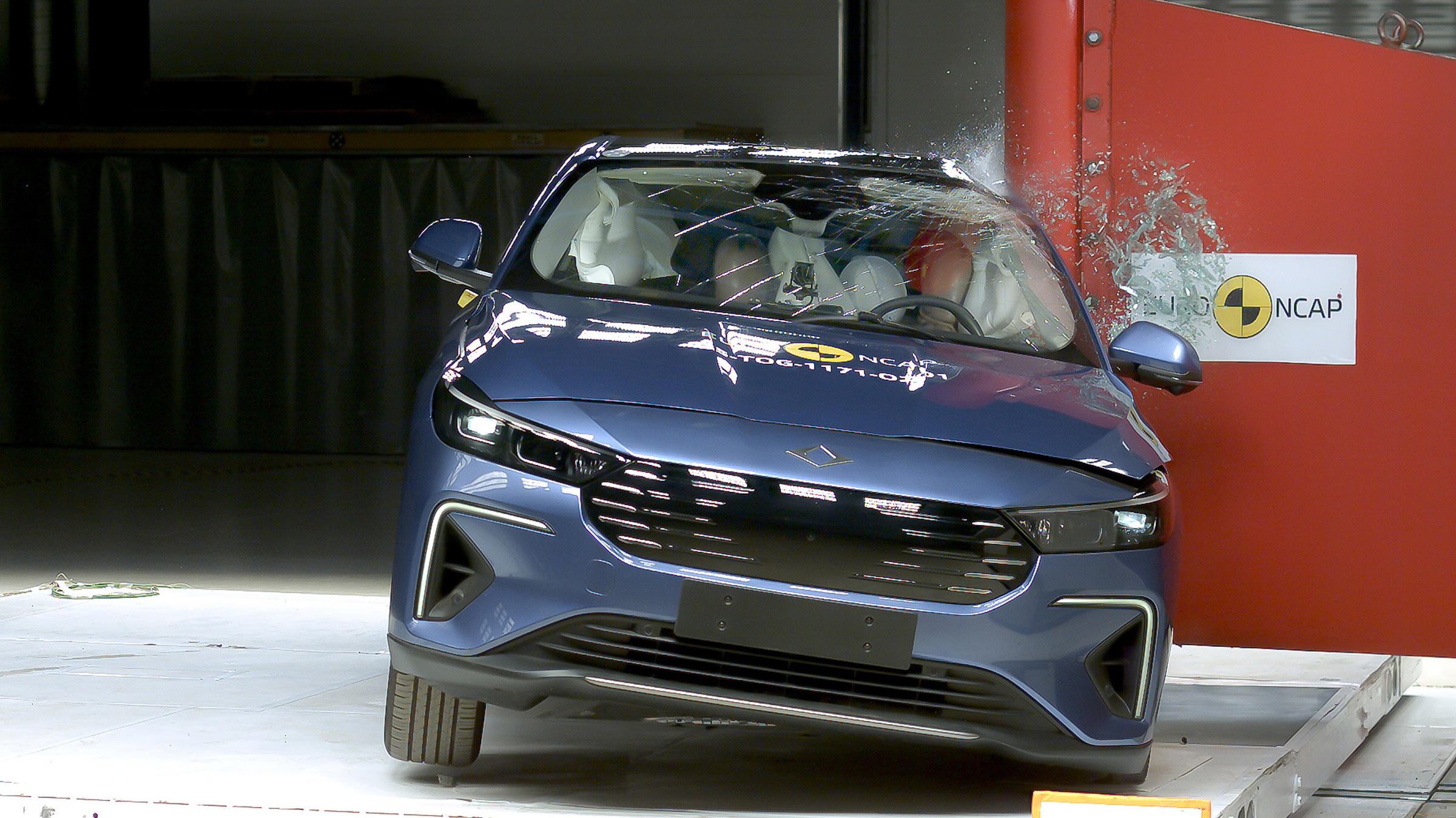 |
A car model undergoing a side-impact crash test. Photo: Euro NCAP |
The new standards divide evaluations into four groups: safe driving, crash avoidance, crash protection, and post-crash safety. Each group has its own score, and the star rating will depend on performance across all four areas. The goal is for vehicles to help prevent risks, protect occupants during accidents, and assist rescue services in accessing the vehicle quickly.
Many changes reflect real-world conditions.
One of the most notable adjustments addresses issues that have caused serious consequences. Electric vehicles using retractable or electronically controlled door handles must ensure they remain operational after a crash. Many rescue teams report that some electric vehicle models lock down after accidents, preventing them from opening doors and delaying rescue efforts. Euro NCAP demands that this flaw be addressed promptly.
Driver assistance features will also be evaluated under more realistic conditions. Previously, most tests occurred on closed courses, so systems did not operate under real traffic conditions. For example, lane keeping assist systems could suddenly jerk the steering wheel, or continuous warning beeps might prompt drivers to disable the system entirely.
 |
Retractable door handles on a Mercedes vehicle. Photo: Carscoops |
Physical buttons and driver monitoring receive bonus points.
Starting in 2026, vehicles will earn bonus points for advanced driver monitoring systems that can detect distraction, rather than just relying on eye blinking. Points will also be awarded if a vehicle can detect signs of a drunk or impaired driver and take appropriate action. A long-awaited change is the return of bonus points for physical buttons used frequently by the driver.
Crash avoidance tests will expand to more realistic scenarios, particularly those involving motorcycles, bicycles, and urban hazards. The smoothness of driver assistance systems will also be scored; for example, a lane keeping system that steers too aggressively, even if it avoids a crash, will incur a penalty. Vehicles will also gain points if they can recognize situations where the driver accidentally presses the accelerator instead of the brake pedal.
New crash test dummies accurately reflect human body types.
Additionally, a new set of crash test dummies with varying sizes, ages, and body types will accurately reflect vehicle occupants. Crash simulations and tests will include full frontal impact tests to increase accuracy, especially in side impacts and the risk to pedestrians when colliding with hard areas like windshields.
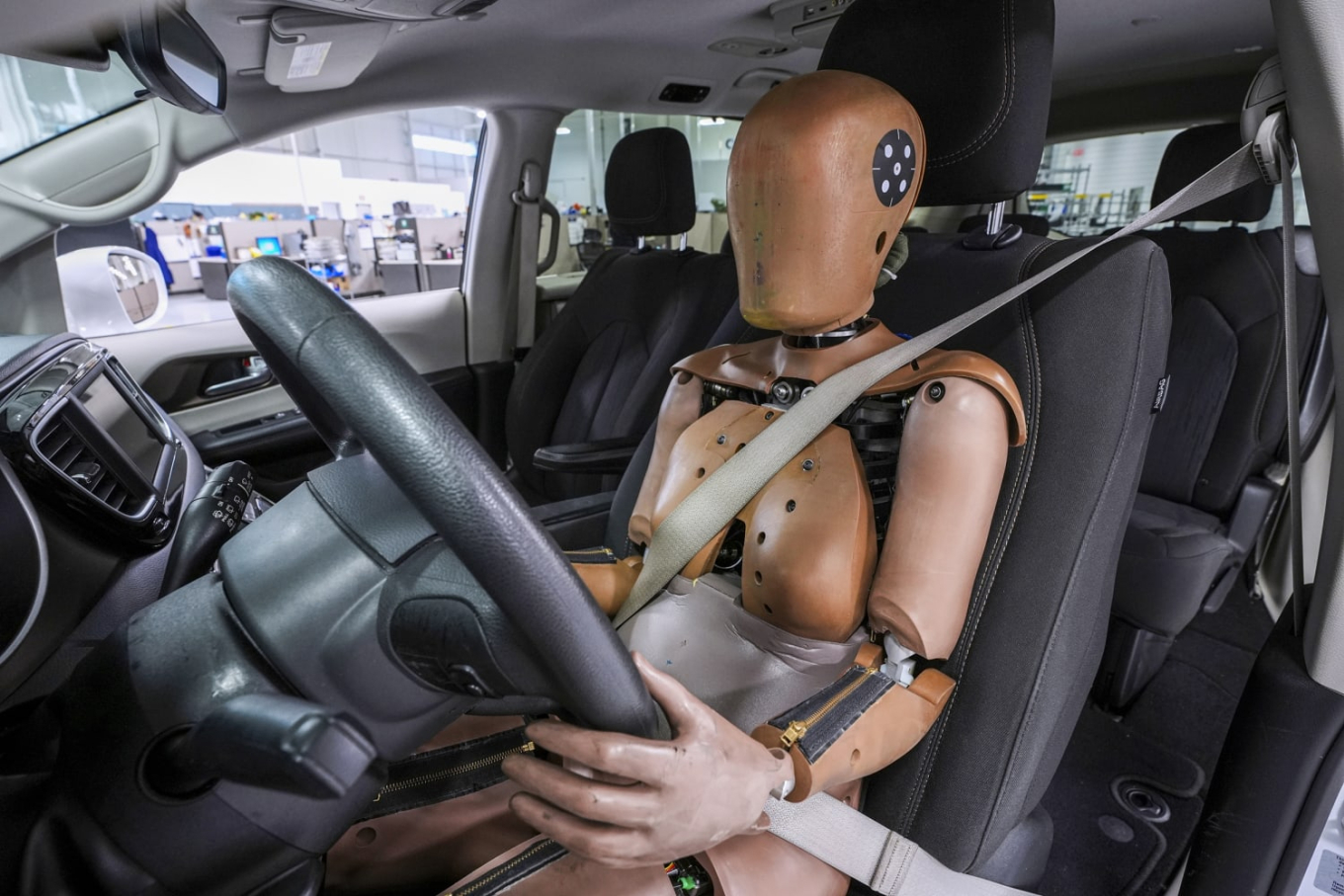 |
THOR-05F - the first female dummy in car crash tests. Photo: NBC News |
The post-crash phase also sees new test upgrades. Electric vehicles must meet requirements for battery isolation, fire risk warnings after accidents, and ensure door handles remain functional. Automatic SOS systems must also provide rescue forces with the number of occupants in the vehicle, even if they are not wearing seatbelts.
The 2026 standards represent Euro NCAP's most significant change in 17 years. However, users will not wait long for subsequent revisions. The organization states it will update the standards every three years from 2026 to keep pace with the rapid development of driver assistance technology.
Ho Tan (according to Carscoops)