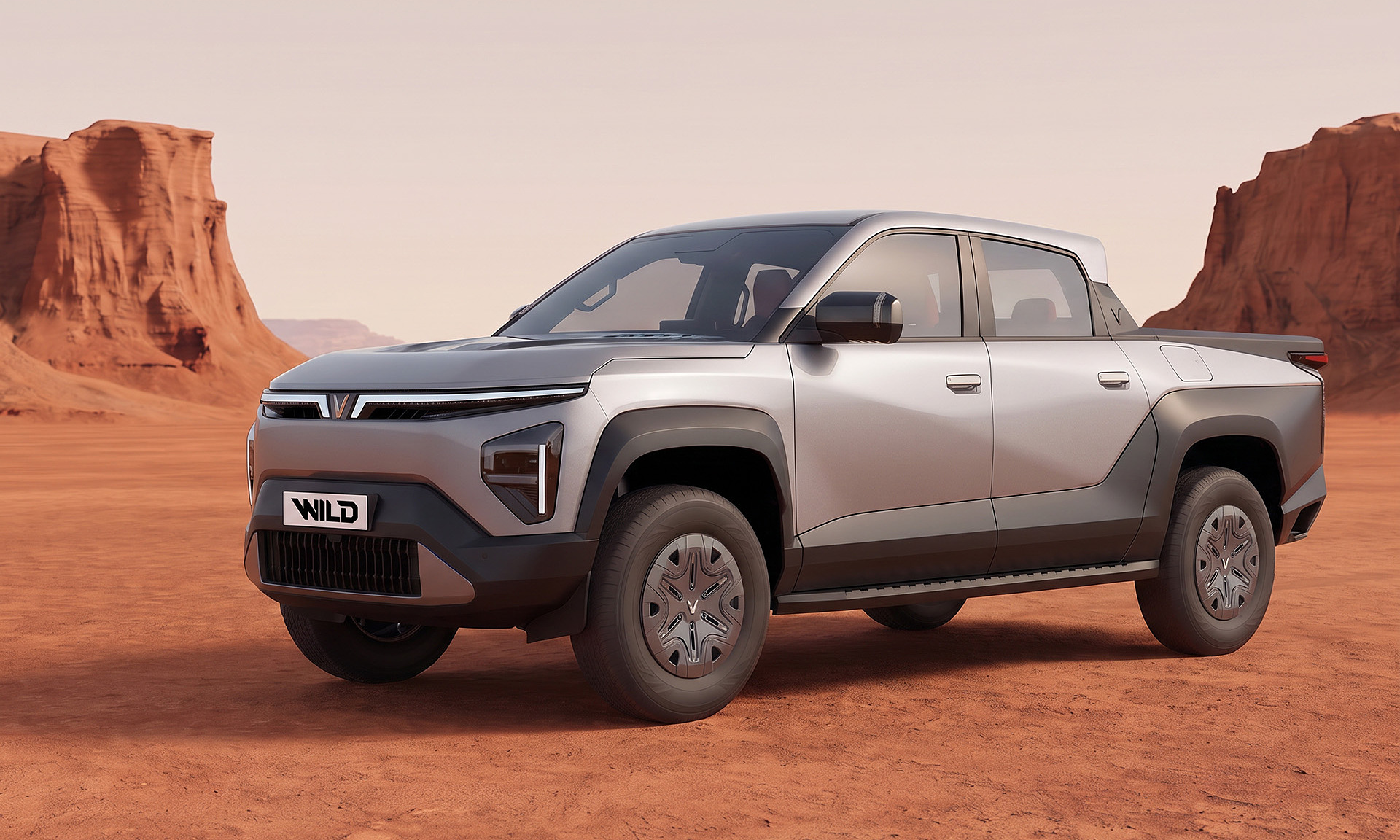
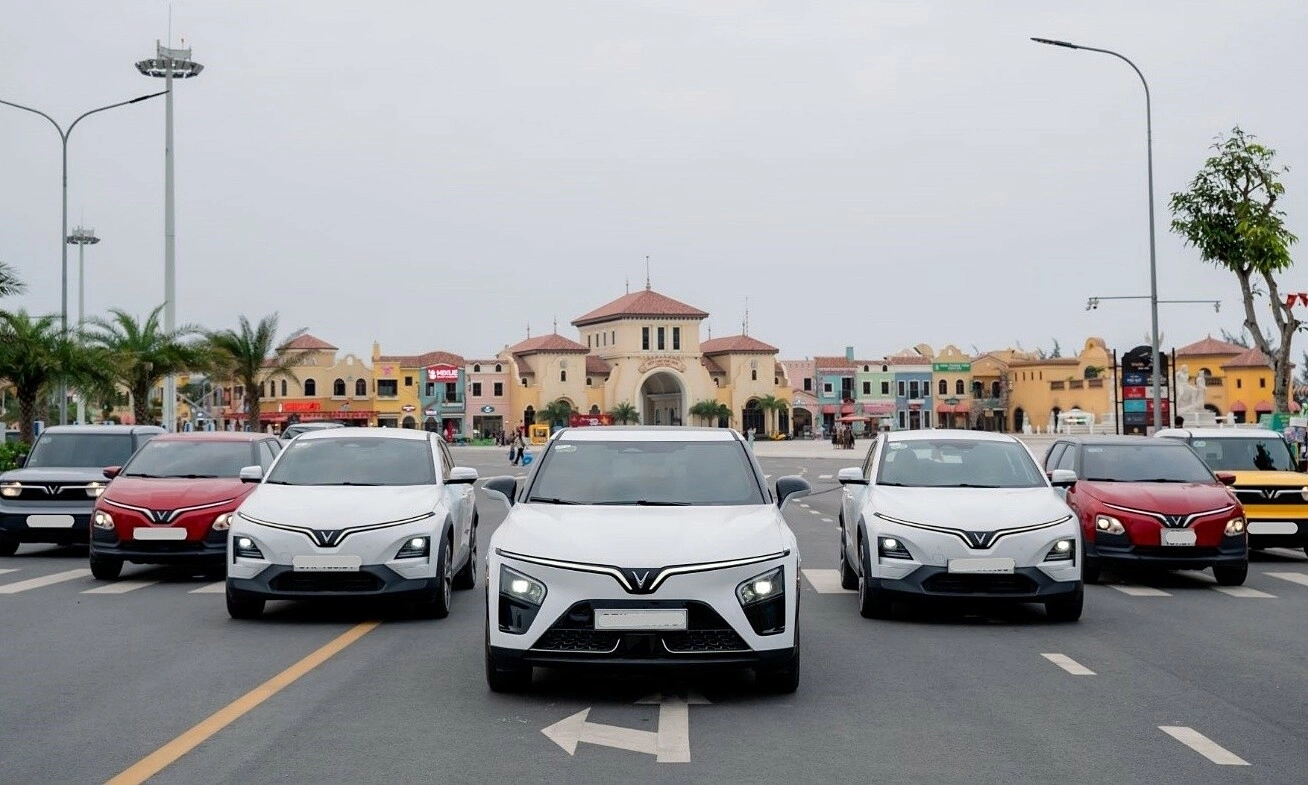
Hyundai Motor CEO Jose Munoz warned that the US could face a wave of car imports from China, mirroring the disruption seen in the European market, unless Washington maintains tariffs and trade protection measures.
Similar scenarios are unfolding globally.
In Europe, Chinese automakers are rapidly expanding, eroding market share and profits of established manufacturers such as Hyundai and Volkswagen through their low-price strategy.
Munoz noted that Chinese cars are 30%-40% cheaper than competitors in markets like Italy, Spain, and France. This competitive pricing persists even after the European Union (EU) imposed anti-dumping duties or set minimum committed prices for China-made electric vehicles, following its conclusion that these companies received unfair government subsidies, Reuters reported.
The UK, which left the EU in 2020, has not imposed similar tariffs. "The UK was once a very profitable and stable market, but it is now becoming like China," Munoz said in San Jose, California. "The best-selling models are all from China because there are no trade barriers. I believe the same will happen in the US at various levels unless we implement control measures."
Data from the European Automobile Manufacturers' Association (ACEA) shows that the market share of Chinese-branded cars sold in the EU rose to over 9% in the first half of this year. In the UK, this figure reached 15% of total new vehicle registrations, according to the Society of Motor Manufacturers and Traders (SMMT).
Brussels is also finalizing "Made in Europe" regulations to establish a minimum localization rate for electric vehicles sold within the bloc. This regulation will compel Chinese manufacturers to establish factories directly in the region.
Given these developments, the Hyundai CEO stated that the US needs to implement barriers against Chinese businesses "to minimize the impact." He acknowledged, however, that "some impact is inevitable."
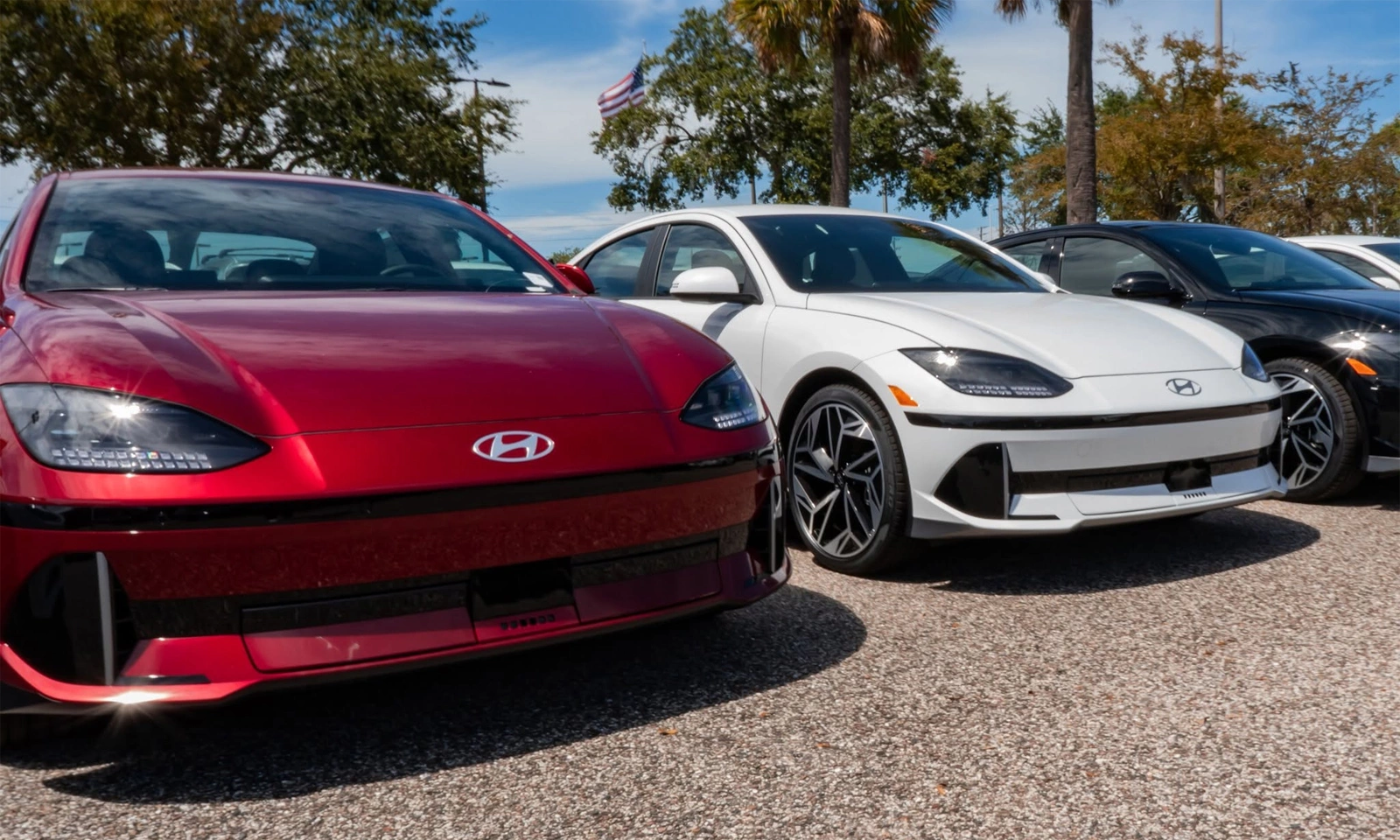 |
Hyundai Ioniq 6 electric vehicle at a US dealership. *Photo: Hyundai of New Port Richey*. |
The US currently blocks electric vehicle imports from China with tariffs of about 100%. Despite this, former President Donald Trump stated on Fox News last week that he would welcome Chinese automakers if they build manufacturing plants in the US.
Munoz's assessment aligns with warnings from Detroit automakers regarding the potential for Chinese brands to enter the US market soon. Last July, Ford CEO Jim Farley also stated that the company is preparing for Chinese manufacturers to enter the US market within the next 5-10 years.
Having managed Nissan's operations in China a decade ago, Munoz expressed his admiration for the country's auto industry development speed. He noted, "Their level of innovation, improvement, and technology is truly astonishing."
Hyundai needs more time for its own autonomous driving technology
When asked about the delay in deploying Hyundai's internal Level 2++ advanced driver-assistance system, which directly competes with Tesla's full self-driving system, Munoz stated that the group requires more time for data collection and safety verification.
Hyundai Group has postponed the launch of vehicles equipped with its self-developed driver-assistance software to the end of 2029, moving from its initial target of the end of 2027.
In the interim, Hyundai is partnering with Nvidia to launch vehicles featuring Level 2+ and Level 2++ technology in 2028.
"I dislike delays. But if you humbly acknowledge that your technology isn't quite good enough, you need to consider a partnership solution," Munoz commented on the Nvidia collaboration.
Nevertheless, Hyundai's leadership affirmed the group's commitment to self-developing autonomous vehicle and battery technology, as a comprehensive self-sufficiency strategy remains core to the company. Munoz stated that Hyundai might acquire components or temporarily collaborate on certain stages, but for crucial technologies like batteries, the company must possess its own technology. The South Korean group also owns Motional, an autonomous vehicle development company in the US.
My Anh