Toyota and Lexus, after a cautious start, have significantly expanded their electric vehicle offerings. However, a key model is not slated for production until autumn 2027.
According to Nikkei Asia, Lexus plans to assemble a new generation electric vehicle at a new plant in Shanghai. While details remain scarce, the model is described as a crossover utilizing advanced manufacturing, specifically gigacasting. This technique allows for casting multiple aluminum body parts into a single, large component.
Toyota's decision to launch and produce a new model featuring advanced technology in China first is notable. Nikkei reports that historically, Toyota has developed and manufactured its most advanced vehicles in Japan before expanding to global markets.
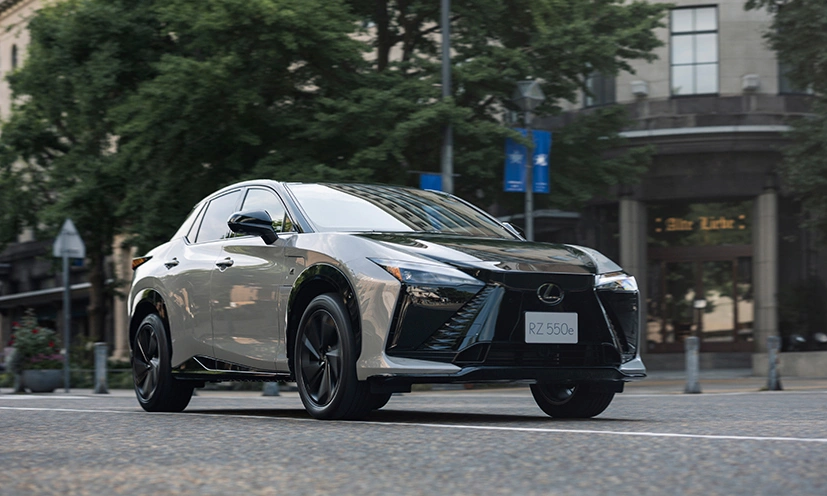 |
The current generation Lexus RZ electric vehicle. *Photo: Lexus* |
Gigacasting technology, pioneered by Tesla, is gaining traction across the automotive industry. This method is also slated for the upcoming Ford Fathom, where it promises significant vehicle weight reduction. For Lexus, this approach could extend the crossover's driving range by a few percent.
While Toyota typically reserves its most advanced manufacturing techniques for the Japanese or US markets, this new Lexus model marks a rare exception. Electric vehicles are rapidly gaining market share in Trung Quoc, a challenging environment for Japanese automakers. Toyota sold only 182,458 vehicles in Trung Quoc in 2025, significantly less than the 370,260 units the luxury brand sold in the My during the same period.
Lexus anticipates an initial production volume of around 1,000 vehicles per month in its launch year. Following this, annual output is projected to surge to tens of thousands of units.
This model is expected to be exclusive to the Trung Quoc market, signaling a new strategic direction for Lexus. The brand's current product lineup in Trung Quoc includes familiar names such as the NX, RX, GX, LX, ES, LS, LM, and RZ. Notably, the RZ stands as Lexus's sole purely electric model in a market demonstrating significant demand for EVs.
My Anh