 |
Mazda's team researching and developing vehicle models. |
 |
Takumi artisans at Mazda performing their craftsmanship. |
Mazda consistently places the human element at the core of its development. The Japanese automaker believes that beyond mere transportation, driving is a journey that connects driver and car, embodying the Jinba Ittai philosophy (horse and rider as one). To achieve this, the company's team has conducted thousands of hours of testing to ensure vehicles respond more naturally.
 |
A high-performance Mazda vehicle. |
Beyond conventional ergonomics, Mazda conducts in-depth research into the human body's natural responses during driving. The Japanese brand established and addresses four elements of its human-centric philosophy, inspired by the harmony between rider and horse in Yabusame (Japanese mounted archery).
First, the driver's seating posture is extensively researched to ensure a comfortable and natural experience while moving. For the driving feel, the steering wheel and system are designed to provide authentic feedback. The company emphasizes balance and seamlessness throughout vehicle operation, helping drivers feel confident and connected to the car, especially when cornering.
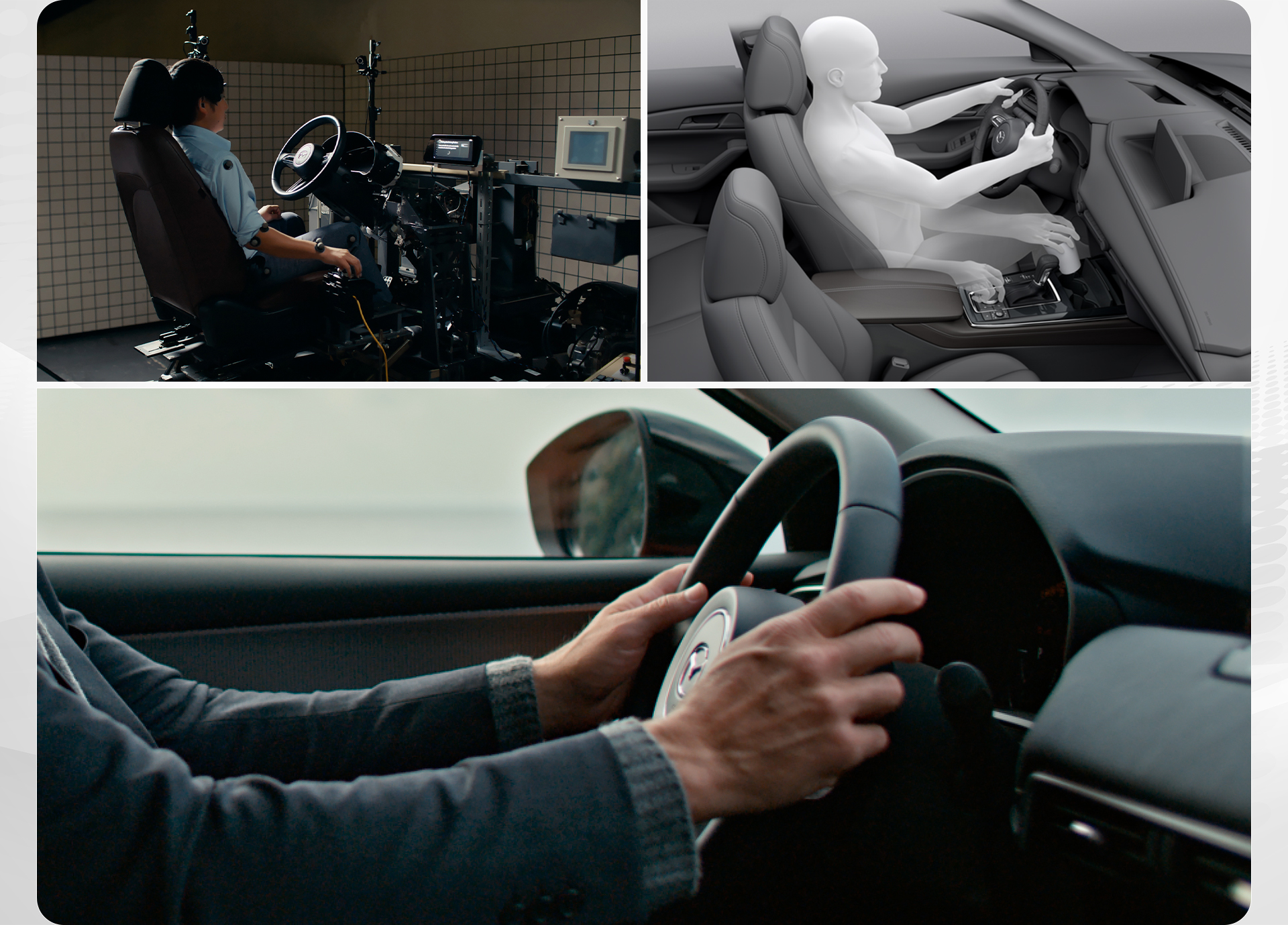 |
These experiences are built upon Kodo design, the SkyActiv chassis, GVC-Plus technology, and i-Activesense. Beyond convenient button arrangement, Mazda researches the driver's spinal and pelvic posture. Seats in Mazda models help maintain a straight pelvis, mimicking natural walking posture, which reduces back fatigue during long drives.
The accelerator pedal is aligned with the natural right foot posture, rather than being offset to the left like in some other vehicles in the segment. According to the company, this design allows drivers to control pedal force more precisely. The layout of the steering wheel, accelerator pedal, seating position, buttons, operational information display, and driver's visibility are also researched and developed based on natural human behavior and reflexes.
 |
Omotenashi, the spirit of hospitality, is a renowned Japanese philosophy that Mazda applies in developing its vehicles, combining it with the craftsmanship of Takumi artisans.
In Japan, Takumi refers to master artisans in craftsmanship. Mazda embraces the spirit of "Car as Art," transforming each vehicle design from initial drawings into a clay sculpture, meticulously crafted by these Takumi. The company calls this model "Goshintai," signifying the embodiment of essence in Japanese cultural creations.
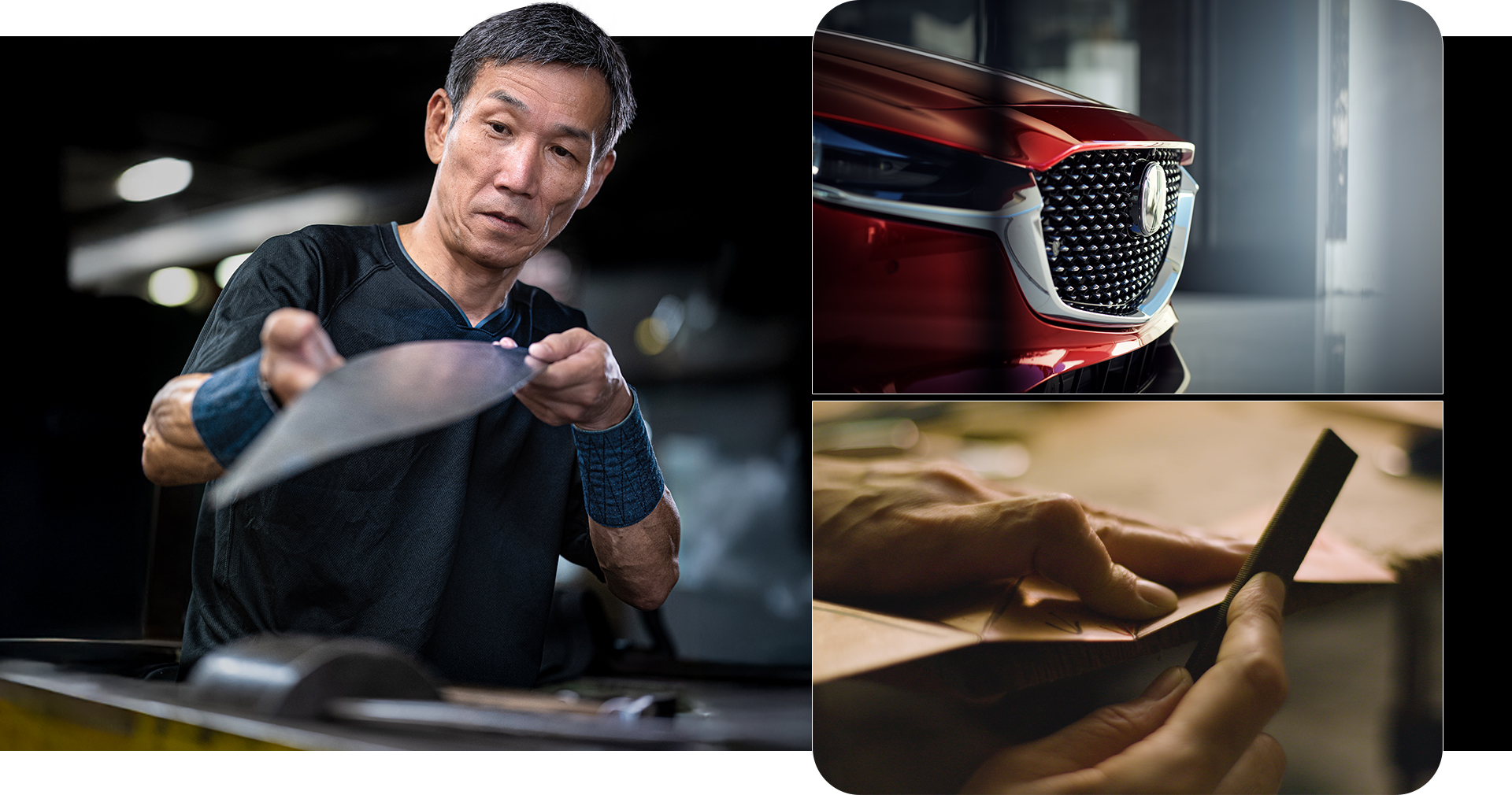 |
As a result, Mazda vehicles feature monolithic bodywork with minimal character lines, where reflected light creates different perceptions depending on the angle. "This is the outcome of Japanese aestheticism: simplicity, balance, and a focus on proportion and tactile sensation," a company representative stated.
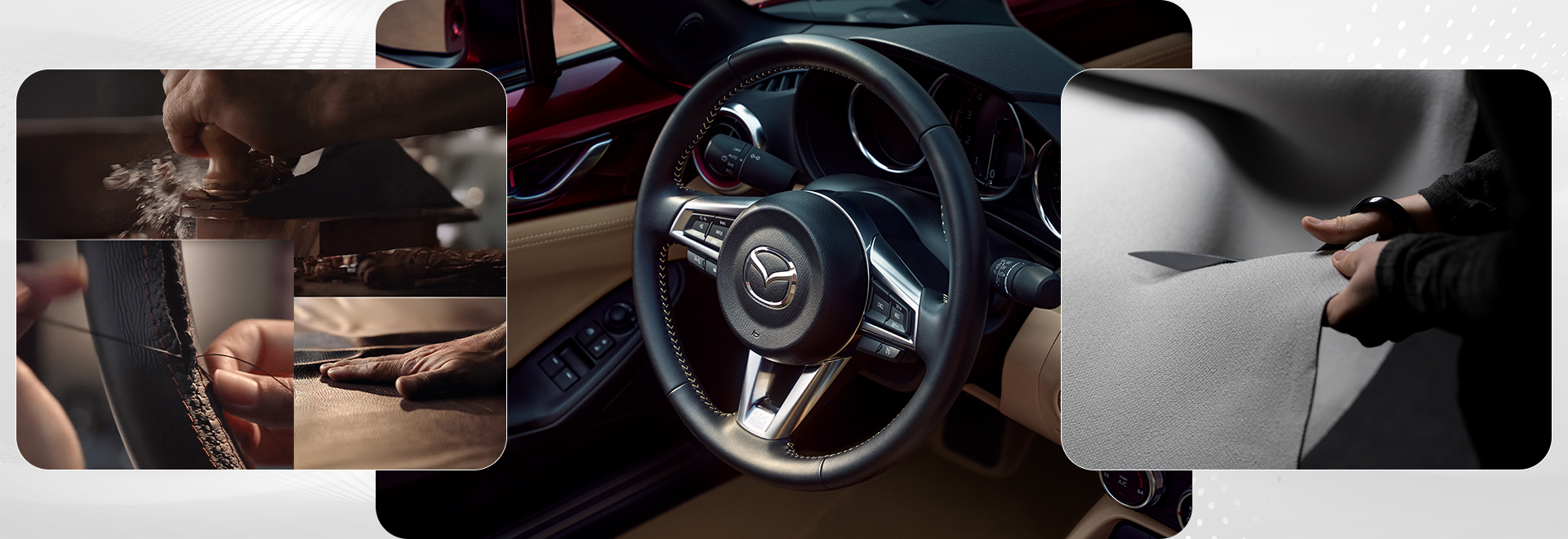
Inside the cabin, the tactile feel of the steering wheel and control buttons is calculated to create a seamless, premium experience. The Omotenashi philosophy is evident in anticipating user needs: the central display is positioned for easy viewing with minimal distraction while driving; the Mazda Connect rotary knob is placed where the driver's hand naturally rests; and Nappa leather upholstery features body-hugging seat designs.
 |
 |
A sporting DNA is a highlight for Mazda, as the company developed its renowned rotary engine and participated in many global motorsport events. Currently, this engine is still installed in the Mazda MX-30 R-EV, acting as a generator to charge the powertrain's battery.
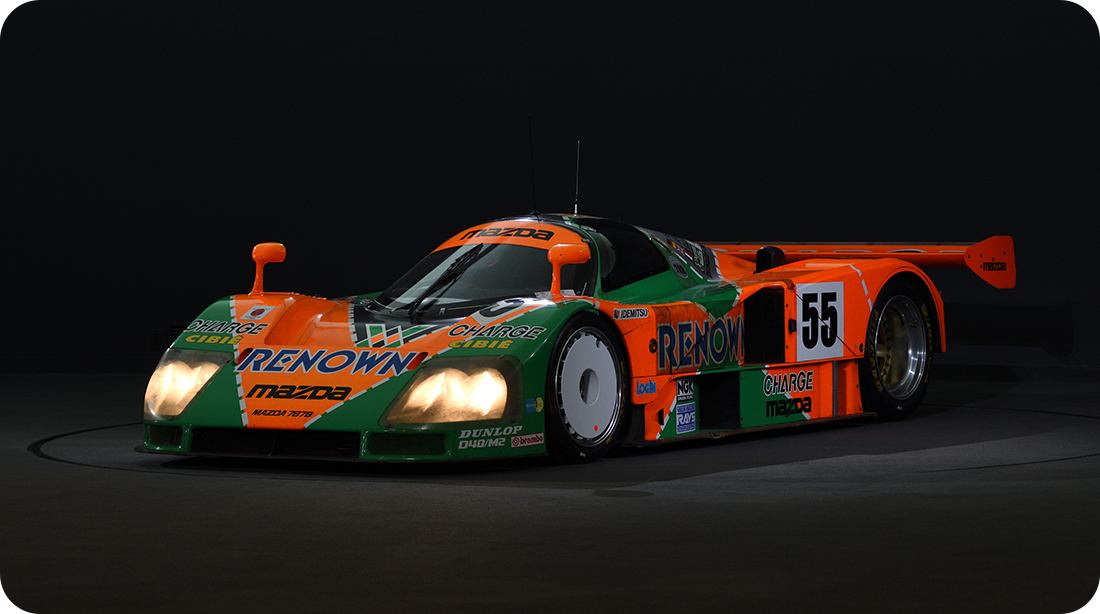
In 1991, during its 13th participation in the Le Mans 24h race, Mazda achieved victory, becoming the first Japanese brand to accomplish this feat, which was typically dominated by German automakers. This philosophy remains a "red thread" throughout Mazda's development to this day, as the Japanese automaker consistently participates in global motorsport activities, particularly in grassroots and professional racing series.
For example, Mazda sponsors the Idemitsu Mazda MX-5 Cup, which evolved from the Miata Cup series. The company also maintains scholarship programs for winning drivers, helping them advance to higher levels. From the 1990s to the present, Mazda has supported the Spec Miata category and the Mazda Motorsports Team Support Program, which provides discounted parts and assistance to individual racers.
 |
Experience gained from racing helps Mazda develop high-performance vehicles like the MX-5 Miata and fine-tune the driving feel, responsiveness, and suspension of many other models, aligning with the Jinba Ittai philosophy.
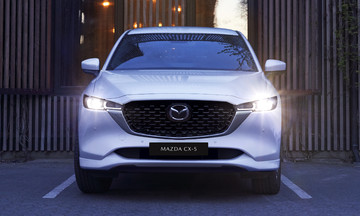
In the Vietnam market, the CX-5 is one of the models that reflects Mazda's spirit. According to the Vietnam Automobile Manufacturers' Association (VAMA), the CX-5 consistently ranks among the best-selling vehicles across the market. In the first 10 months of this year, the CX-5 achieved sales of over 12,900 units. In October, this model recorded sales of nearly 1,600 units, its highest level since the beginning of the year.
The company attributes the CX-5's success to a balance of design, performance, and running costs. "Mazda does not chase technology or styling trends; instead, it focuses on consistent improvements aimed at the user's real-world experience," a company representative said.
 |
Content: Quang Anh
Design: Thai Hung
Photos: Mazda