Car seats are an essential safety device for children traveling in vehicles, yet getting young passengers to cooperate with them can be a common challenge for parents. Ensuring children are safely secured is paramount for their protection during sudden stops or collisions. This article provides practical advice for parents, categorized by age group, to foster cooperation and establish car seat use as a natural part of every journey.
Young children (under 3-4 years old): helping children form habits
For infants and young children, the goal for parents is to help them view the car seat as a normal part of every trip. This age group is also the easiest to form habits, as children have not yet developed strong preferences about sitting in their own seats. If introduced early and maintained consistently, many children will naturally view using a car seat as a given whenever they get into a vehicle, similar to sitting in a stroller or a high chair at home.
Initially, parents can familiarize children with the seat through short trips, gradually increasing the duration with each journey. Some children also feel more comfortable with a stuffed animal, a thin blanket, or a favorite toy placed next to them. It is important for parents to create a sense of familiarity and safety for the child, rather than turning the car seat experience into a stressful one.
Parents can achieve this by choosing a seat that is appropriate for the child's size, age, height, and weight. If the seat is too tight, too loose, or not adjusted correctly, it can cause discomfort from the very first uses. Parents should also check the recline angle, harness position, and padding to ensure the child has a comfortable sitting posture.
Additionally, a seat left in direct sunlight for an extended period can cause its surface to become hot, leading to discomfort for the child upon sitting. Before starting a trip, parents should check the temperature of the seat and straps, especially when the vehicle has been parked outdoors in the sun.
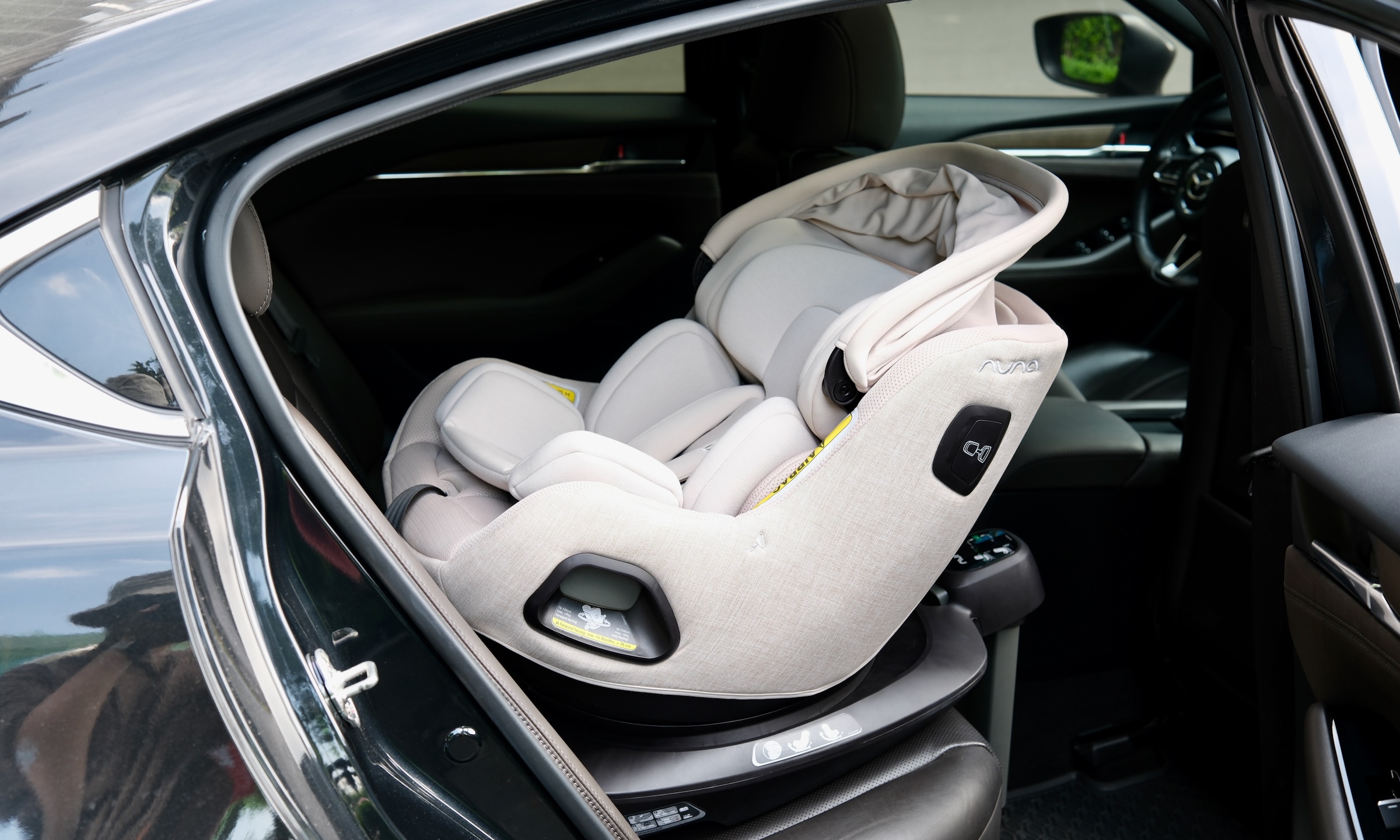 |
Rear-facing infant car seat in a vehicle. Photo: Ho Tan
Furthermore, maintaining a calm demeanor for the child is also important. Instead of constantly reminding or scolding a crying child, parents can talk, sing, or redirect the child's attention to other activities in the vehicle.
Finally, the most important factor is consistency. If a child sits in the car seat today but is held the next day because they cried, it will be difficult for them to form a habit. For young children, car seat use must be maintained on every trip, whether it is a long journey or just a few minutes of travel in urban areas. During this period, adult patience plays a decisive role. When sitting in the car seat becomes a fixed rule every time they get into a vehicle, most children will gradually adapt and react less, a process that can last from a few days to a few weeks.
Older children (over 4 years old): explaining to help children understand
For children of preschool and elementary school age, familiarization with car seats is often not simply about habit formation, unlike with younger children. At this age, many children begin to develop self-awareness and want to be treated like adults. Consequently, quite a few children object to car seats because they believe they are old enough or feel that having their own seat is unnecessary.
In this situation, parents should take the time to explain and educate rather than forcing children to use their own seats. For example, a car's seat belts are designed for adult bodies, while car seats or booster seats help position the belt correctly across the child's shoulder and hips, thereby providing better protection in the event of a collision.
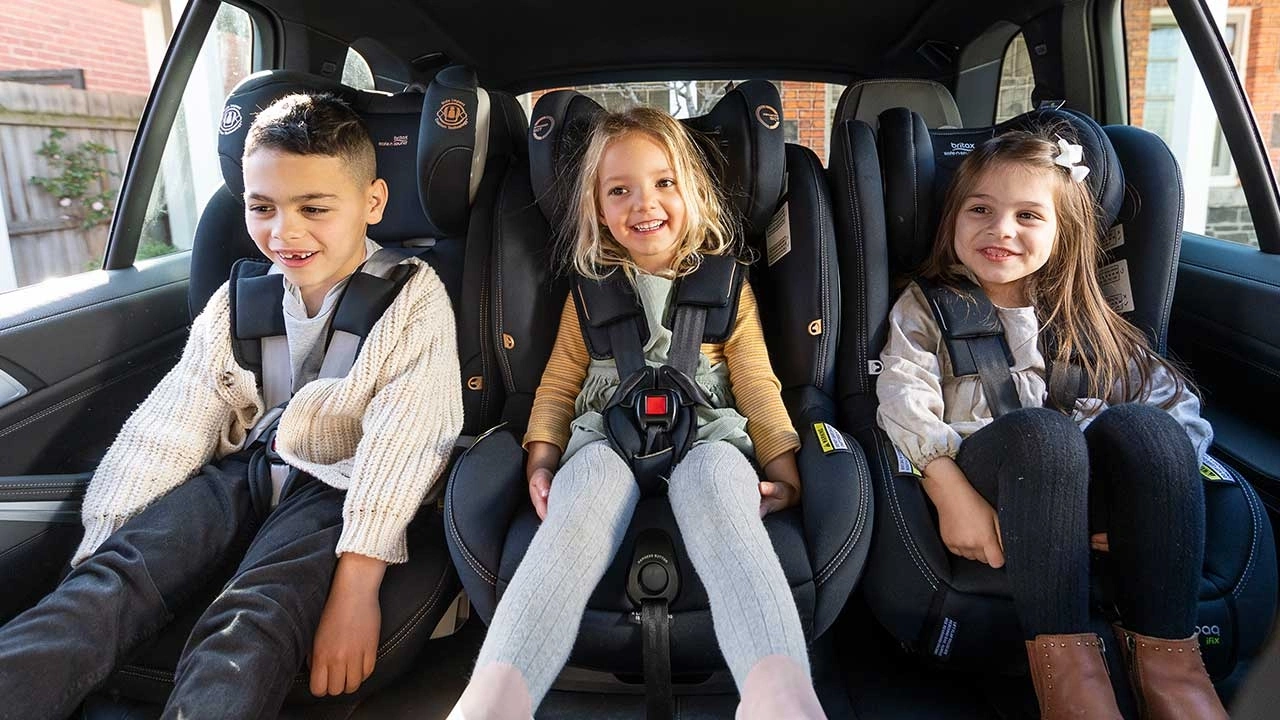 |
Children over 4 years old can understand the safety of their own seats if parents explain correctly and fully. Photo: Turbo
Additionally, parents should avoid using overly frightening images or stories about traffic accidents to persuade their children. While instilling fear might yield immediate results, it does not help children truly understand the importance of using a car seat.
Parents should also avoid making children believe that sitting in their own seat is merely a measure to avoid being fined. Instead, children need to understand that this is a safety device to protect them during sudden braking or a collision, similar to seat belts for adults. Parents are also required to use seat belts while traveling, so children understand that ensuring safety in the vehicle is everyone's responsibility. When they grasp the purpose of the rule, children generally cooperate more and voluntarily form the habit of using the seat.
Beyond explanations, parents can involve children in the process of choosing a car seat or booster seat. When allowed to select their preferred color, pattern, or seating position, children often cooperate more and feel that this is a decision they contributed to, rather than a rule imposed by adults.
It is important to note that the adaptation process to car seats can take many days or weeks, regardless of the child's age. Therefore, parents need to be patient and consistently maintain car seat use on every trip. The goal is not to make the child instantly like the seat, but to help them form the habit of sitting in the correct position every time they get into a vehicle.
Ho Tan