Following the announcement that child safety devices will become mandatory for transporting children under 10 years old and shorter than 1,35 meters from 2026, many parents are seeking products for children in cars, hoping to comply with the new regulation.
Vendors widely advertise many inexpensive accessories as cheap alternatives to certified child car seats. This leads many to misunderstand that simply attaching an auxiliary strap or seat cushion to the car meets the regulation. However, these types of accessories are often non-compliant, fail to protect children, and are not legal.
What constitutes a child safety device?
According to the definition in QCVN 123:2024/BGTVT, child safety devices include child restraint systems (CRS) and enhanced child restraint systems (ECRS).
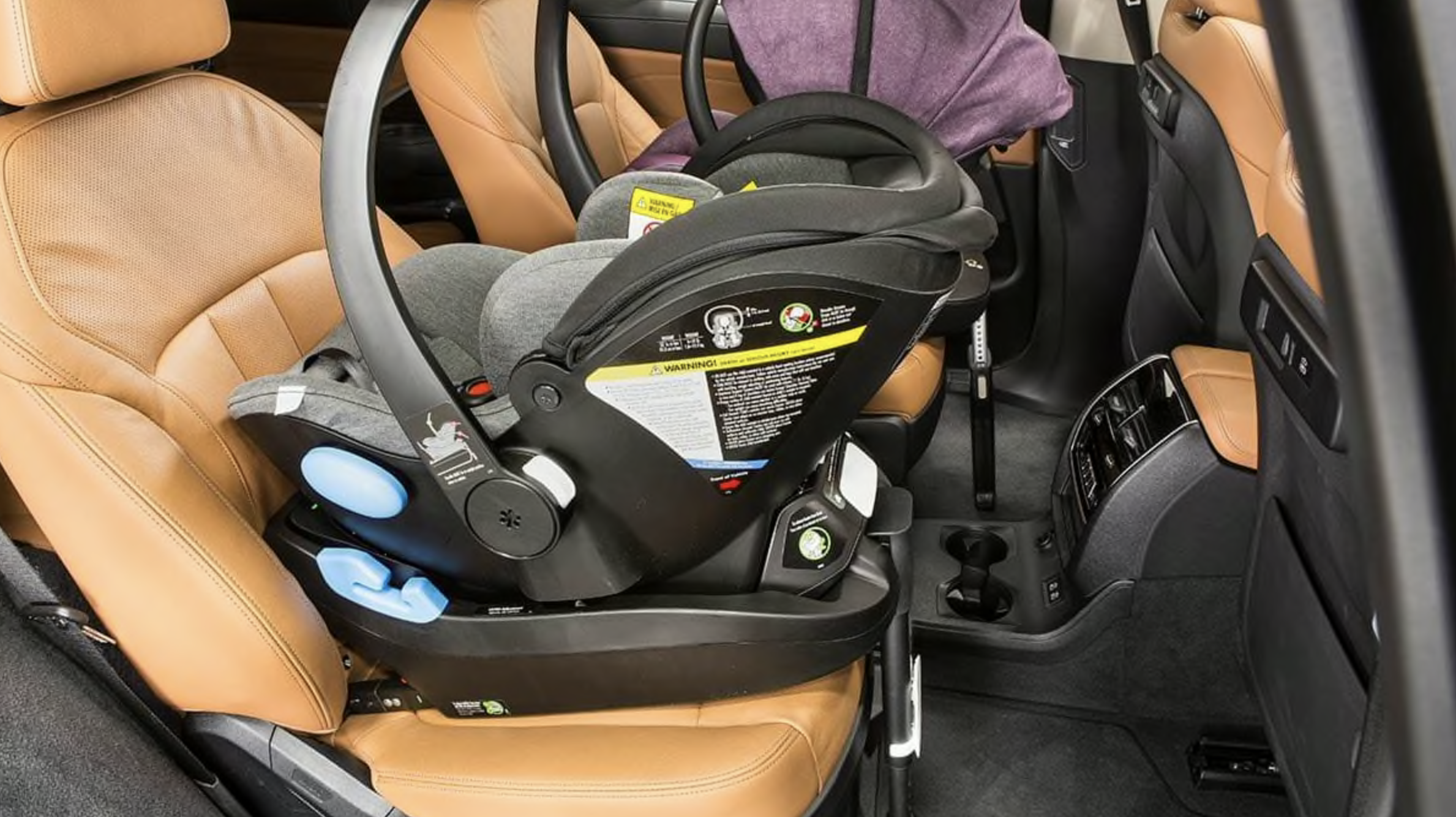 |
A child car seat with a supplementary support leg extending to the floor enhances stability. Photo: Consumer Reports
These systems are a combination of components including a seat, harness, safety buckle, adjustment device, and other accessories such as a carrycot or impact shield, designed for secure installation in a vehicle. Enhanced child restraint systems feature additional safety locking mechanisms like ISOFIX, or fixed anchor points (top tether) and load-bearing legs to the car floor, which increase the safety of the child car seat during a collision.
Below are some unapproved devices currently sold on the market:
Auxiliary straps (strap clips, strap adjusters)
Auxiliary straps are devices attached to the car's main seatbelt, intended to prevent the main belt from rubbing against a child's neck. According to QCVN 123:2024/BGTVT, these auxiliary straps are not classified as child safety devices because they do not meet any requirements of a child restraint system (CRS or ECRS) as per the standard.
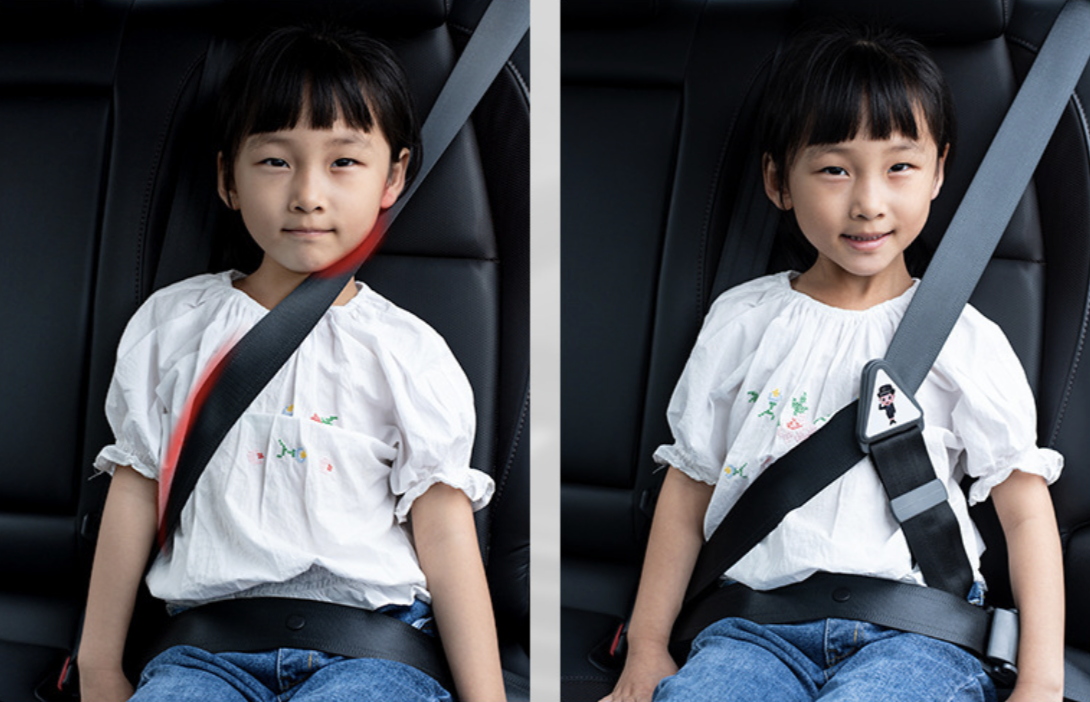 |
Auxiliary strap attached to a car for children. Photo: DHGate
Auxiliary straps only alter the position of the car's seatbelt and create no protective structure. Furthermore, these straps are not crash-tested and lack an impact-absorbing frame, thus increasing the risk of injury in an accident.
Seat cushions
Similar to auxiliary straps, seat cushions do not meet the requirements for a safety seat as outlined in the standard. They merely act as a comfort pad, lacking any protective function or ability to secure a child's body during a collision. Consequently, these accessories are not considered child safety devices in cars.
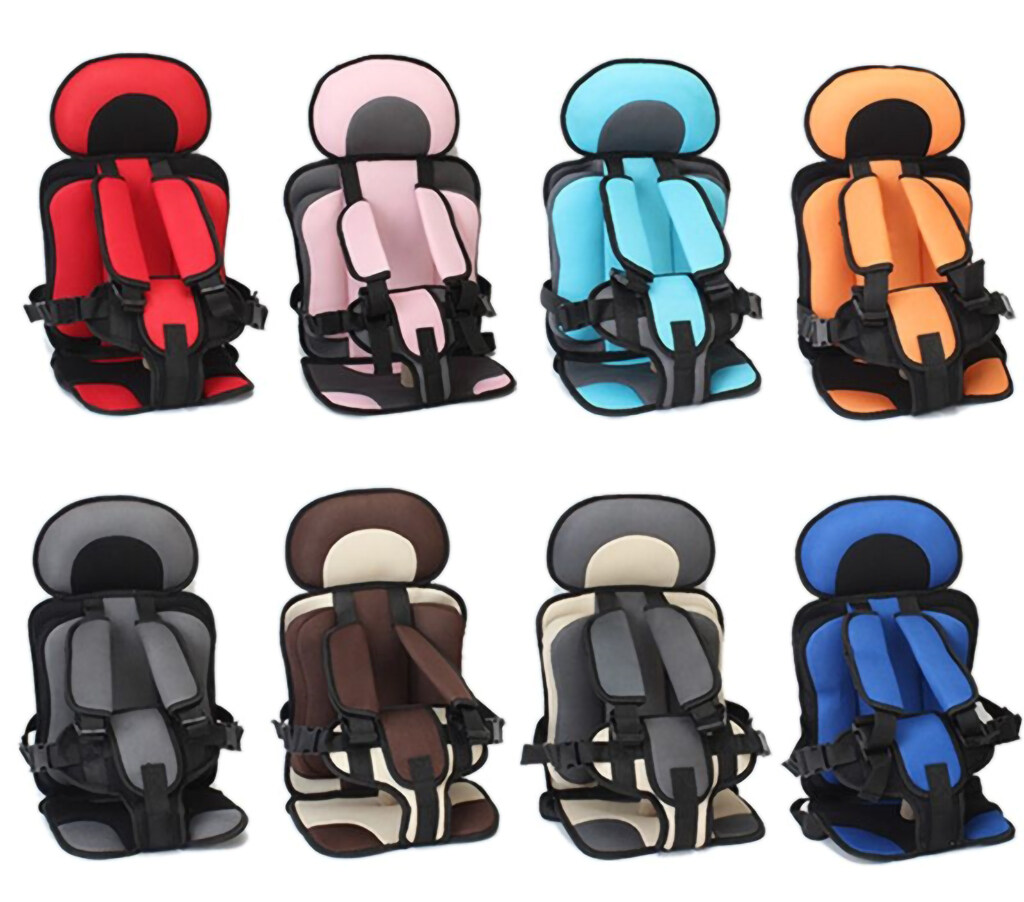 |
Car seat cushion. Photo: Vicedeal
What types are suitable if not a car seat?
Booster seats are considered child safety devices because their structure helps elevate a child to a suitable position, ensuring the car's seatbelt passes correctly over the shoulder and hips. This protects vital body areas during a collision.
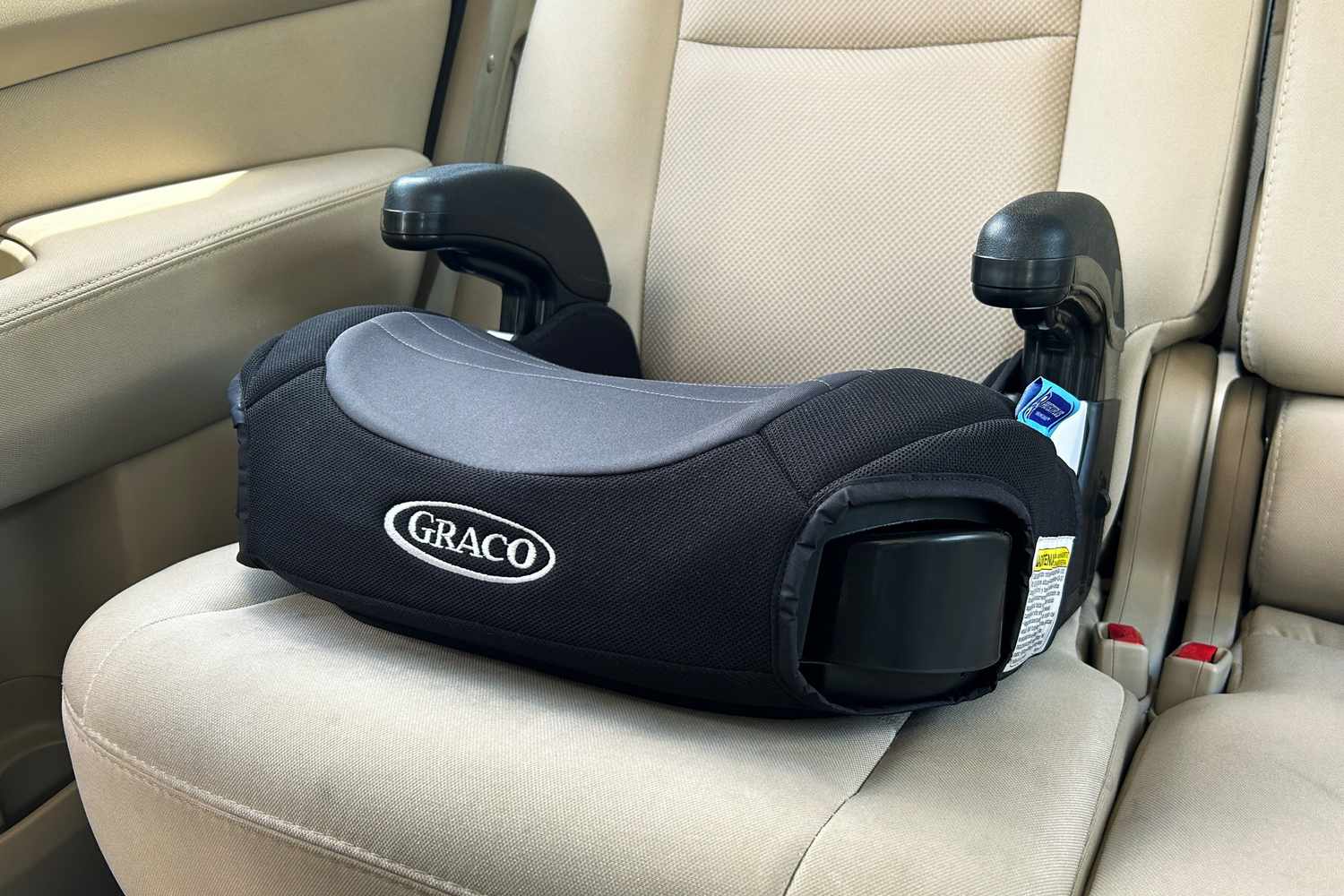 |
Booster seat attached via ISOFIX anchors in a car. Photo: Graco
However, a compliant booster seat must feature a safety locking mechanism that securely attaches it to the car's seat (via ISOFIX anchors or the car's seatbelt) to prevent displacement during a collision. Additionally, parents should only use a booster seat for children who meet specific requirements: typically 6-10 years old, weighing 18-36 kg, and measuring 100-135 cm in height. Compliant booster seats clearly state the minimum weight or height range for safe use.
Pham Hai