On 28/4, 60 nations convened in Santa Marta, Colombia, to outline actionable steps for an energy transition, according to Reuters. Discussions focused on securing incentives and financial support for this shift, fostering an investment environment for industries moving from gas to electricity, and reforming existing fossil fuel subsidies.
Notably absent from the meeting were the United States and China, the world's two largest polluters. Saudi Arabia and other major Middle Eastern oil and gas producers also did not attend.
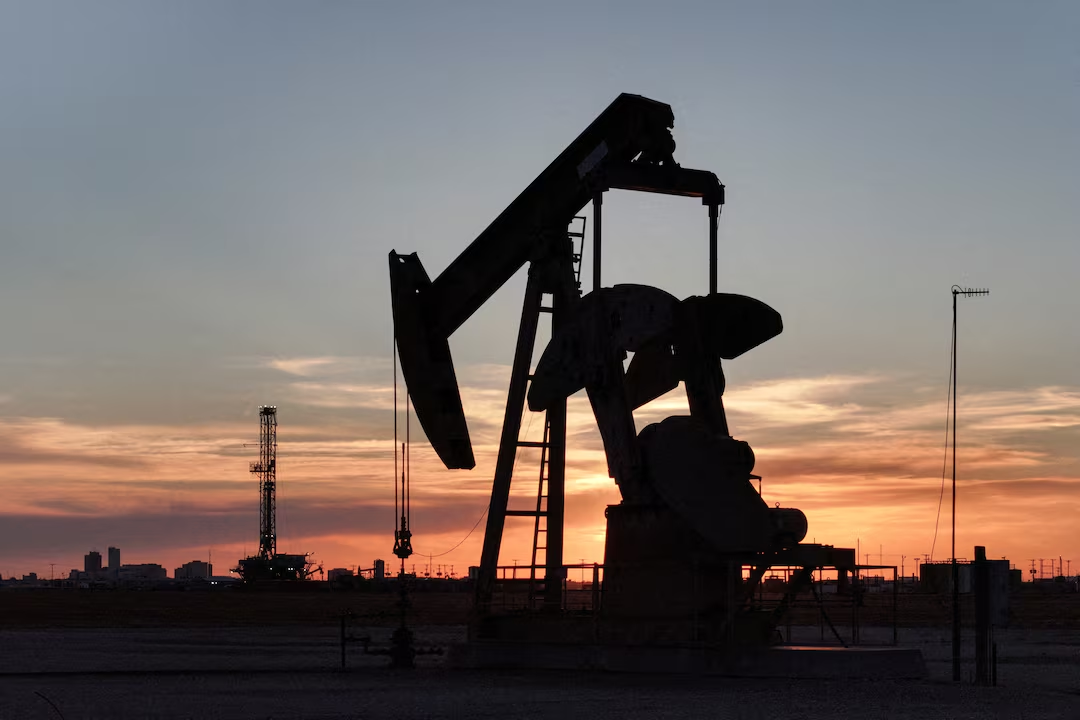 |
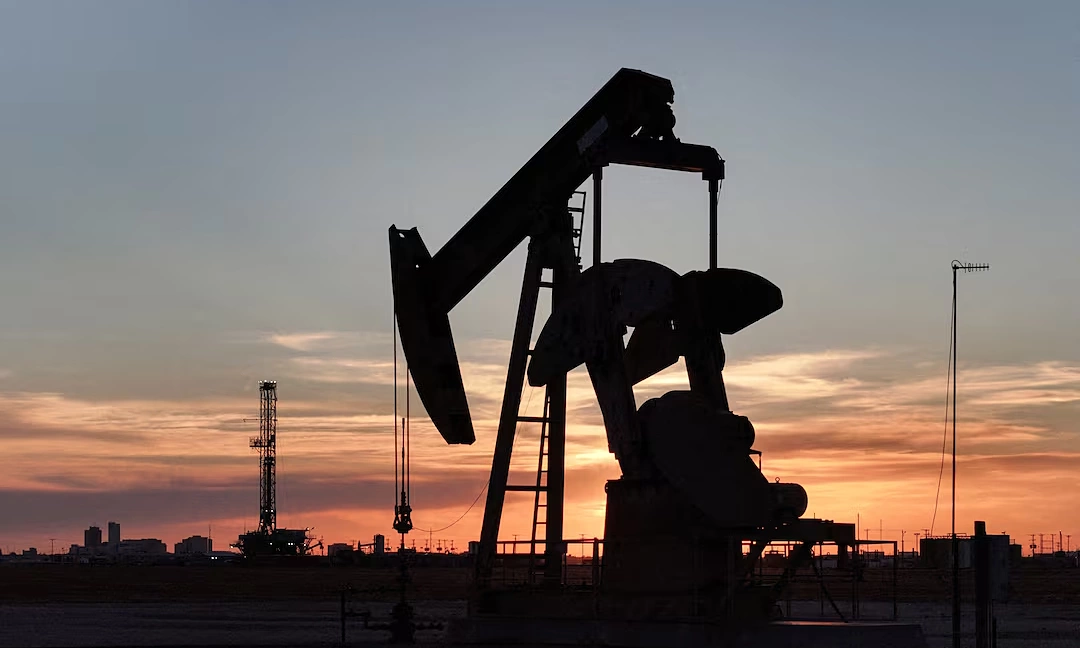
An oil pump and drilling rig south of Midland, Texas, US, on 11/6/2025. Photo: Reuters. |
The two-month-long Middle East conflict has underscored many nations' heavy reliance on imported oil and gas. This has led to fuel shortages challenging Asian economies and soaring energy costs across Europe.
According to Dutch Climate Minister Van Veldhoven, the energy crisis reinforces the argument for phasing out oil and gas. This transition, she stated, is crucial for enhancing economic and energy security, not solely for addressing climate change.
"The Middle East conflict has global repercussions because of our reliance on fossil fuels," she remarked. Minister Van Veldhoven further explained that reduced dependence on these fuels directly correlates with a less vulnerable economy.
Nearly 200 nations had previously agreed to transition away from fossil fuels at the 2023 COP28 climate summit. However, subsequent COP meetings have struggled to advance this commitment, facing obstruction and a lack of cooperation from Middle Eastern oil-producing nations, particularly Saudi Arabia.
While high energy costs bolster the case for renewable energy and reducing reliance on unstable supply routes, this situation also triggers short-term responses like increased fossil fuel extraction and subsidies. Consequently, the global energy market faces immense pressure yet generates substantial profits, even for some nations attending the Santa Marta meeting.
Amid rising energy prices, France has committed to supporting households and businesses in transitioning to electricity, opting against short-term fuel subsidies. Meanwhile, Norway's oil and gas revenues have propelled its trade surplus to a three-year high.
In South America, Colombia has led efforts to reduce fossil fuel use since 2022. The nation has championed a ban on shale gas extraction and ceased new oil and gas exploration, despite oil and coal comprising about half of its export revenue. However, the recent Middle East conflict plunged Colombia into a severe gas shortage, reigniting demand for coal.
Bao Bao (according to Reuters, LA Times)