The event unfolds as global energy prices continue to climb and the Middle East conflict remains unresolved, likely extending and adding instability to economic and monetary policy outlooks. Observers will monitor whether Fed officials agree on the possibility of raising interest rates this year if inflation accelerates. Additionally, the question of whether Powell will remain on the Board of Governors after his chairmanship may also be addressed.
Powell's term as Fed chairman concludes in May 2026. However, his term on the Fed Board of Governors extends until 2028. The Board of Governors, the Fed's highest leadership body, comprises seven members responsible for setting monetary policy, overseeing banks, and ensuring national financial stability.
Typically, Fed chairs depart the Board of Governors upon concluding their leadership term. Powell, however, previously stated that the termination of a criminal investigation into him was a necessary condition for his departure from the Board. In a press conference last month, Powell said he "had no intention of leaving the board until the investigation concluded transparently." He added that he might stay longer, "based on what is best for the institution and the people."
Last week, the U.S. Department of Justice canceled this investigation. This removed the biggest hurdle to approving Kevin Warsh, President Donald Trump's nominee for Fed chairman.
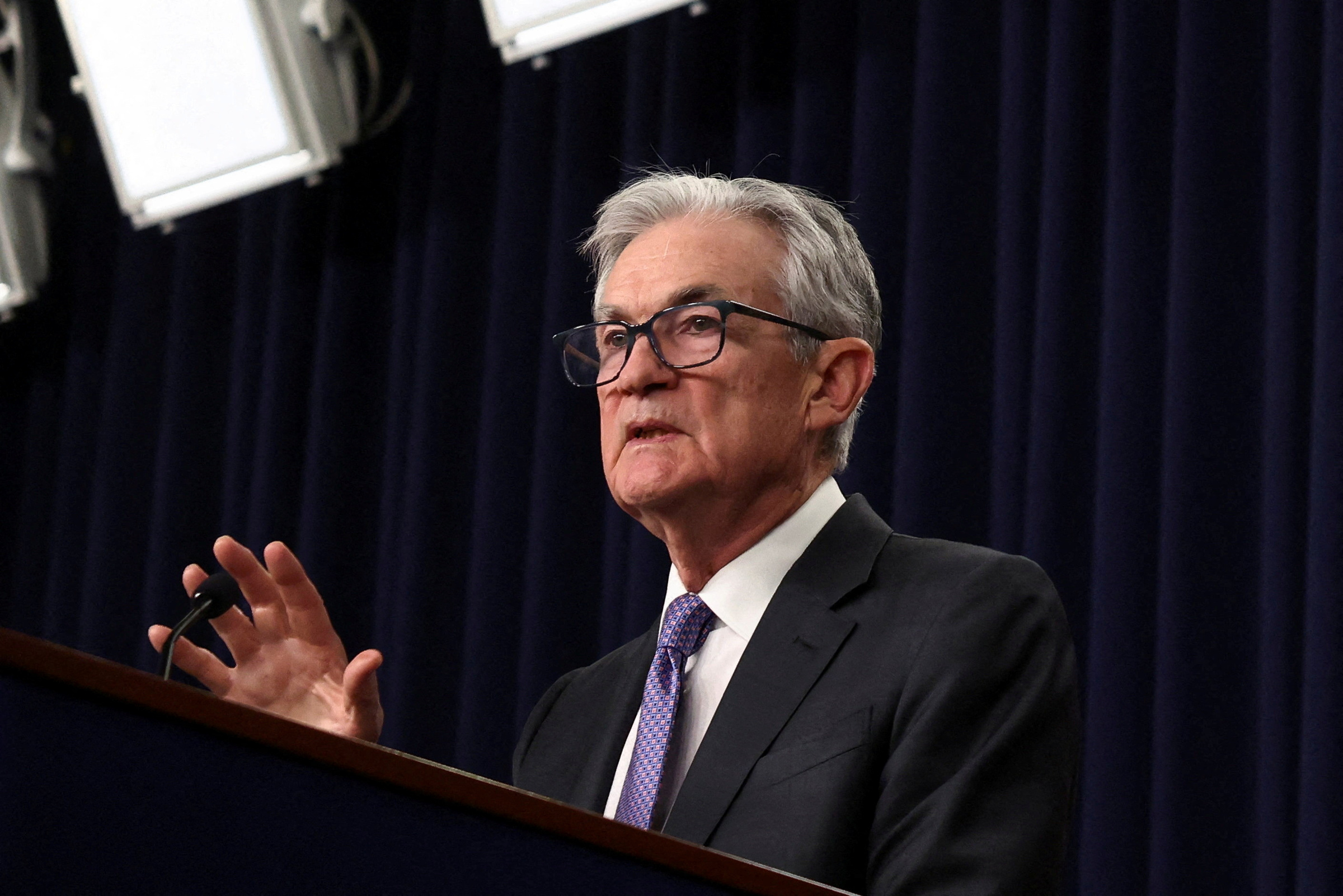 |
Fed chairman Jerome Powell speaks in Washington, U.S. on 10/12/2025. Photo: Reuters |
Federal Reserve officials are expected to keep interest rates unchanged at this week's meeting. However, they must decide on the potential for a rate hike if inflation continues to accelerate. The outlook for Fed monetary policy adjustments is now less clear than at the start of the year. The bond market currently anticipates the agency will maintain current interest rates until at least mid-2027. The rate of 3.4-3.75% has been in place since December 2025.
Monetary policy "is in a good place, and it's probably appropriate to keep policy at this level for some time," St. Louis Fed President Alberto Musalem stated in an interview with Reuters early this month.
Few Fed officials oppose keeping interest rates steady at this time. Even Governor Stephen Miran, a strong proponent of monetary easing, recently indicated he is reconsidering due to a "slightly less favorable" inflation outlook.
When the conflict erupted, Fed officials noted that the impact on inflation and economic growth would depend on its duration and whether oil prices would return to pre-war levels, around 70 USD a barrel.
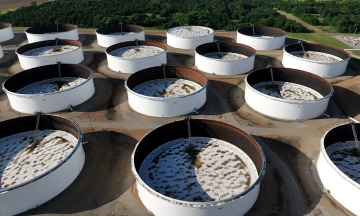
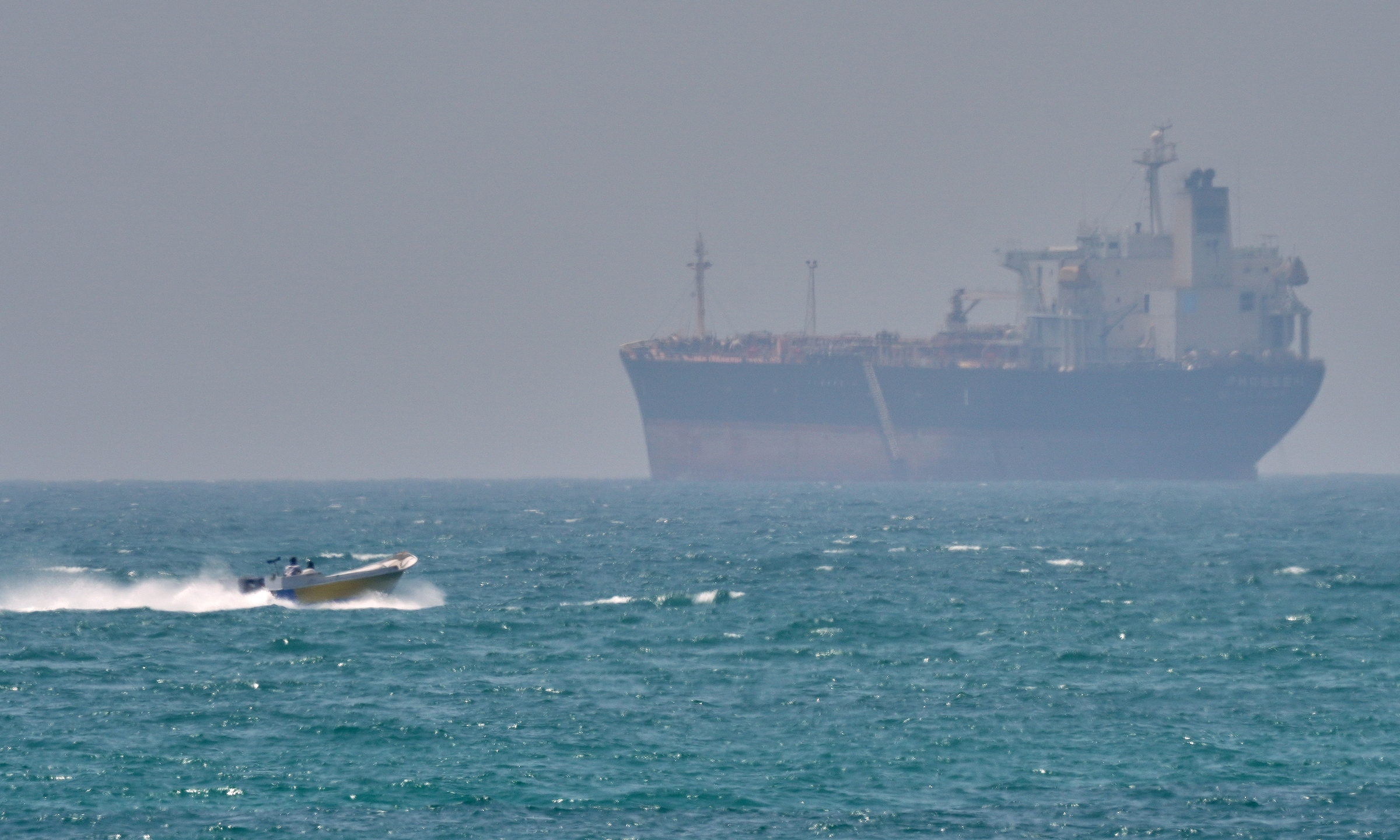
After two months of Middle East conflict, bombings have paused, but economic tensions persist. The U.S. is blockading Iranian ports, while Iran prevents other ships from passing through the Strait of Hormuz, a crucial shipping lane for the global energy market.
Brent crude oil prices have risen about 50% since the start of the conflict. The increase in gasoline and energy prices last month also contributed to the sharpest rise in the U.S. Consumer Price Index (CPI) in march in nearly four years.
"If energy prices remain high for an extended period and the Strait of Hormuz is restricted, the likelihood of high inflation becoming entrenched in various goods and services increases. Supply chain impacts are also starting to emerge. Real economic activity and the labor market are beginning to slow," Fed Governor Christopher Waller said last week.
Waller suggested this dilemma might mean keeping interest rates unchanged. However, according to the minutes from the march Fed meeting, an increasing number of his colleagues are starting to mention the need for policy adjustments.
Investors will observe whether this week's policy statement contains language indicating a potential shift in the Fed's next interest rate move. If so, this would represent a significant development.
The Fed "will continue to keep rates unchanged at the april meeting," Bank of America economists predicted last week. "Inflation risks are rising due to the unresolved Middle East conflict. Labor data has also improved. The current question is whether the language in the policy statement will signal two-sided risks. This is a very close decision. Powell is likely to signal a hawkish stance," the bank noted.
Ha Thu (according to Reuters)