On 29/5, Statistics Canada reported that the country's first quarter GDP decreased by 0.1% (annualized). This result contradicted previous forecasts by Reuters and the Bank of Canada, which had projected 0.1% growth for Canada in the first quarter.
In the previous quarter, the economy contracted by 1%. Many economists consider Canada to be in a technical recession, as its GDP has contracted for two consecutive quarters.
 |
People shop at a supermarket in Ontario, Canada, 1/2026. *Reuters*
Canada has largely withstood trade instability and the impact of import tariffs over the past year. However, ripple effects from these tariffs have dragged down investment, hiring, and spending, while pushing up prices. Trade negotiations between the United States and Canada remain stalled. Canada was also one of the few countries to retaliate against US import tariffs last year.
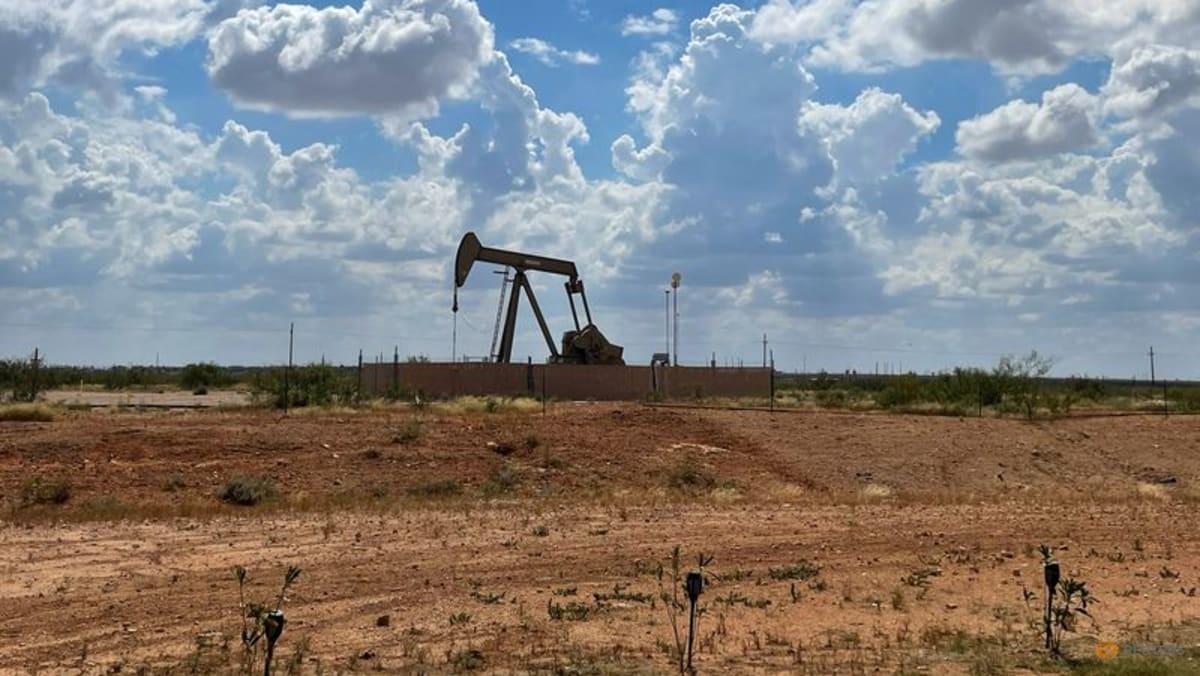
The upcoming review of the North American Free Trade Agreement (NAFTA) and an oil price shock stemming from conflict in the Middle East will further increase instability for the economy. The two most recent times Canada entered a technical recession were during the pandemic outbreak in 2020 and an oil price shock in early 2015.
Economists are divided on whether Canada is currently in a recession. In a report, Capital Economics stated: "The first quarter GDP decline due to trade impacts means the economy has been in a technical recession since the beginning of the year." However, accelerated oil and gas activity, thanks to high energy prices, likely helped the economy recover in 4.
Randall Bartlett, chief economist at Desjardins Group, also stated that the organization is not yet ready to call the current figures a recession. This is because the weakness in the Canadian economy has not been widespread.
Statistics Canada explained that first quarter GDP was negatively impacted by high import volumes. However, this factor was significantly offset by large inventory levels. Household spending increased, particularly in the financial services and food sectors. This increase was largely negated by a decline in business and government investment. Business capital expenditure decreased by 0.7%, marking its fifth consecutive quarterly decline.
Preliminary estimates from Statistics Canada indicate that April GDP likely increased by 0.4%, signaling a relatively positive start to the second quarter.
The Bank of Canada indicated that economic growth this year is likely to reach 1.2%, a decrease from 1.7% last year. The institution will update its forecast in 7. Money markets currently reflect the possibility of the Bank of Canada raising interest rates by an additional 25 basis points in 12. However, most economists forecast no change in interest rates this year.
By Ha Thu (according to *Reuters*)