Vietnam's Ministry of Finance and the Monetary Authority of Singapore (MAS) discussed initiatives on the afternoon of 29/5 to enhance capital market connectivity between the two nations. Key among these discussions was promoting cooperation between their stock exchanges, including researching mechanisms to support the cross-listing of shares and the issuance of depositary receipts across both markets.
These collaborative efforts are expected to broaden access for international investors, improving the interoperability and attractiveness of each country's capital market. Furthermore, they aim to boost high-quality investment capital flows into the ASEAN region.
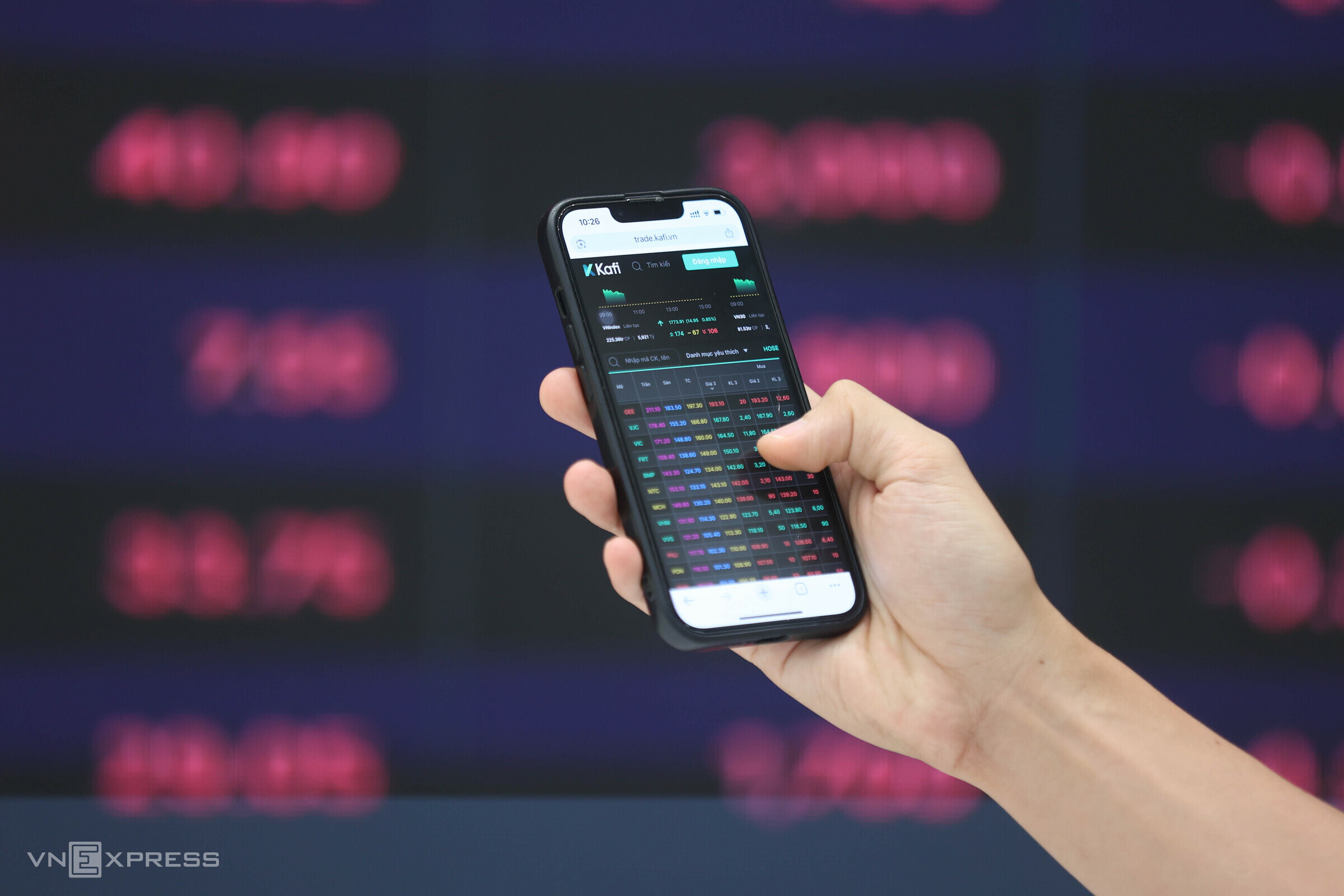 |
Stock trading at a company in TP HCM, 4/2026. Photo: Quynh Tran |
Depositary receipts (DRs) are securities issued by an intermediary institution, representing ownership of shares from a company listed on another market. This means investors can trade DRs on their domestic exchange instead of directly purchasing foreign shares. The DR issuing entity holds the underlying shares and issues corresponding receipts to investors.
Cross-listing or dual listing between exchanges in different countries is a common practice in international capital markets. For example, the Stock Connect model between mainland China and Hong Kong allows investors from both sides to trade eligible shares through existing exchange infrastructure. Such models demonstrate that cross-listing can expand the customer base, increase liquidity, and enhance international recognition for businesses.
However, this mechanism demands high compatibility in legal frameworks, custodianship, information disclosure, capital flow control, and investor protection.
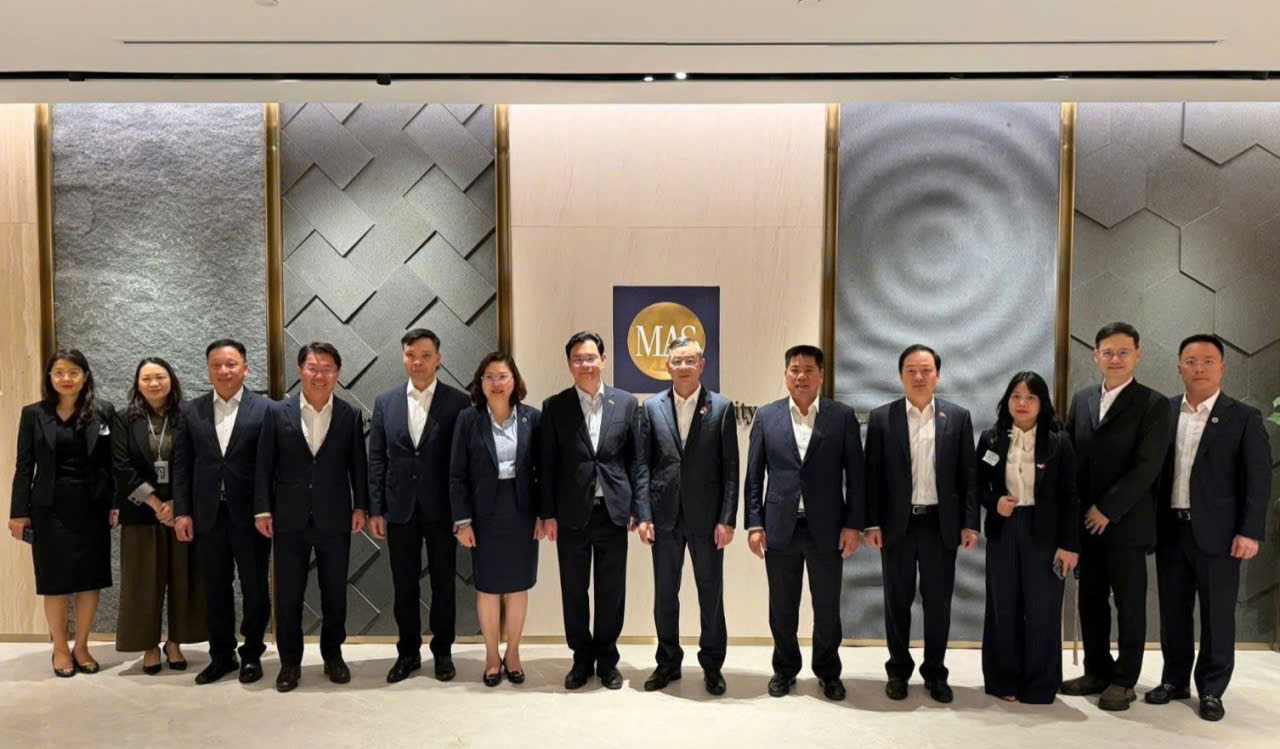 |
Minister of Finance Ngo Van Tuan (sixth from right) and Mr. Chia Der Jiun, Managing Director of MAS (fifth from right) pose with delegates at the working session, on 29/5. Photo: SSC |
MAS shared Singapore's experience in encouraging investment funds, asset management companies, and long-term institutional investors to participate more deeply in the market. This participation increases capital raising capacity for businesses and improves liquidity. Both parties agreed that developing an institutional investor base is crucial for enhancing the quality and sustainability of financial markets.
In the digital assets sector, Vietnam and Singapore exchanged insights on developing regulatory frameworks to ensure transparency, strengthen anti-money laundering efforts, and protect investors. Additionally, leaders from both sides recognized significant room for cooperation in emerging areas: green finance, energy transition, offshore wind power, clean energy infrastructure, data centers, artificial intelligence, and the semiconductor industry.
Minister Ngo Van Tuan proposed that the two agencies continue to expand experience sharing on capital market development, institutional investors, enhancing transparency, and supporting the process of upgrading Vietnam's stock market. He affirmed Vietnam's commitment to valuing international experience. On behalf of MAS, Managing Director Chia Der Jiun stated Singapore's readiness to share expertise in promoting the involvement of funds, asset management companies, and long-term investors to enhance market depth and sustainability.
Tat Dat