According to its audited separate financial report for 2025, CC1's revenue reached more than 11,617 billion VND, a 21,1% increase from the previous year. Pre-tax profit stood at 322,2 billion VND, up 16,4%, while gross profit reached 488,2 billion VND, representing a 25% increase. As of 31/12/2025, CC1's total assets were recorded at 17,208 billion VND, an 8,6% increase.
CC1 recently secured new contracts valued at nearly 8,000 billion VND. This boosted the company's total backlog, or upcoming projects, from 42,500 billion VND to over 50,000 billion VND. This significant increase further solidifies CC1's position among contractors with substantial backlogs in the construction market.
A substantial backlog provides a crucial foundation for a construction and installation company's medium and long-term growth. Traditionally, possessing a large backlog also demands high construction management capabilities and, importantly, the ability to proactively manage material supply to ensure project timelines and efficiency.
A notable point on the balance sheet is that prepayments to vendors reached 4,966 billion VND. The company explained that this development stems from the specific cycle of construction project implementation and reflects a proactive strategy to prepare resources amidst a growing workload. Concurrently, CC1's short-term debt stood at 4,862 billion VND at the end of 2025, an increase compared to the same period. This increase primarily meets capital needs for expanding construction contracts.
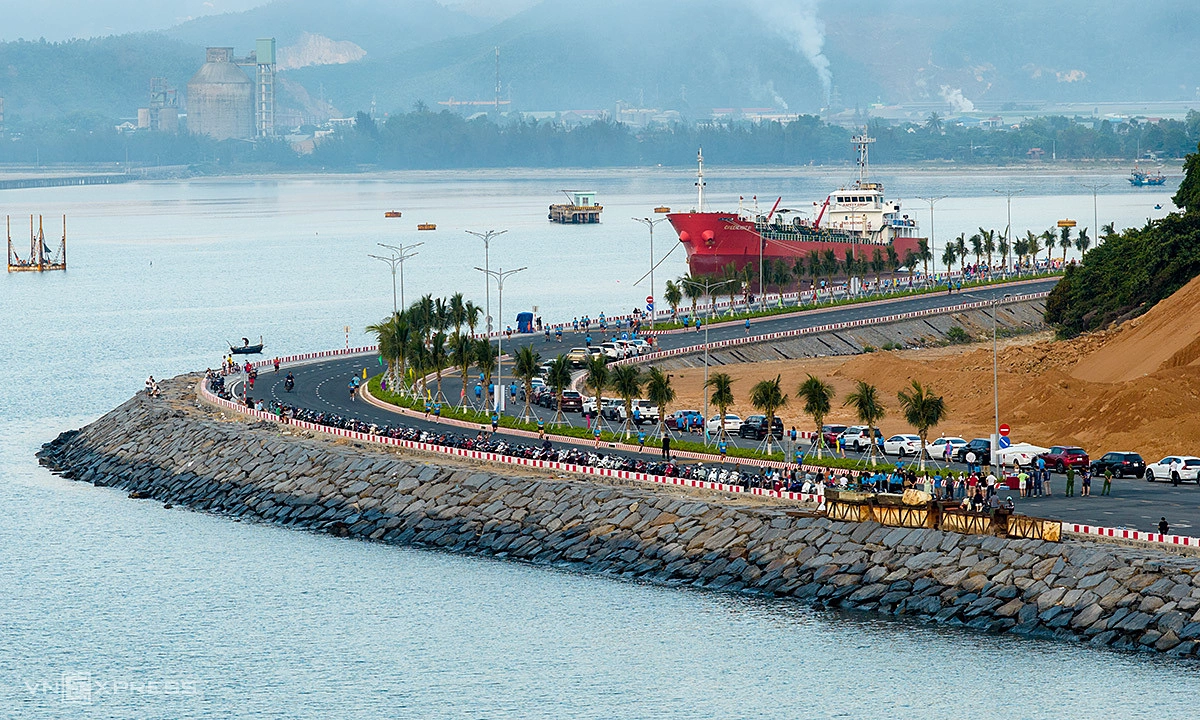
CC1's current contract portfolio includes several large-scale infrastructure projects, such as Ring Road 4 - Hanoi Capital Region, alongside other key transportation projects slated for implementation, including Cat Lai Bridge and Long Hung Bridge (Dong Nai 2). These projects inherently require the company to mobilize significant resources, materials, and labor from their initial stages.
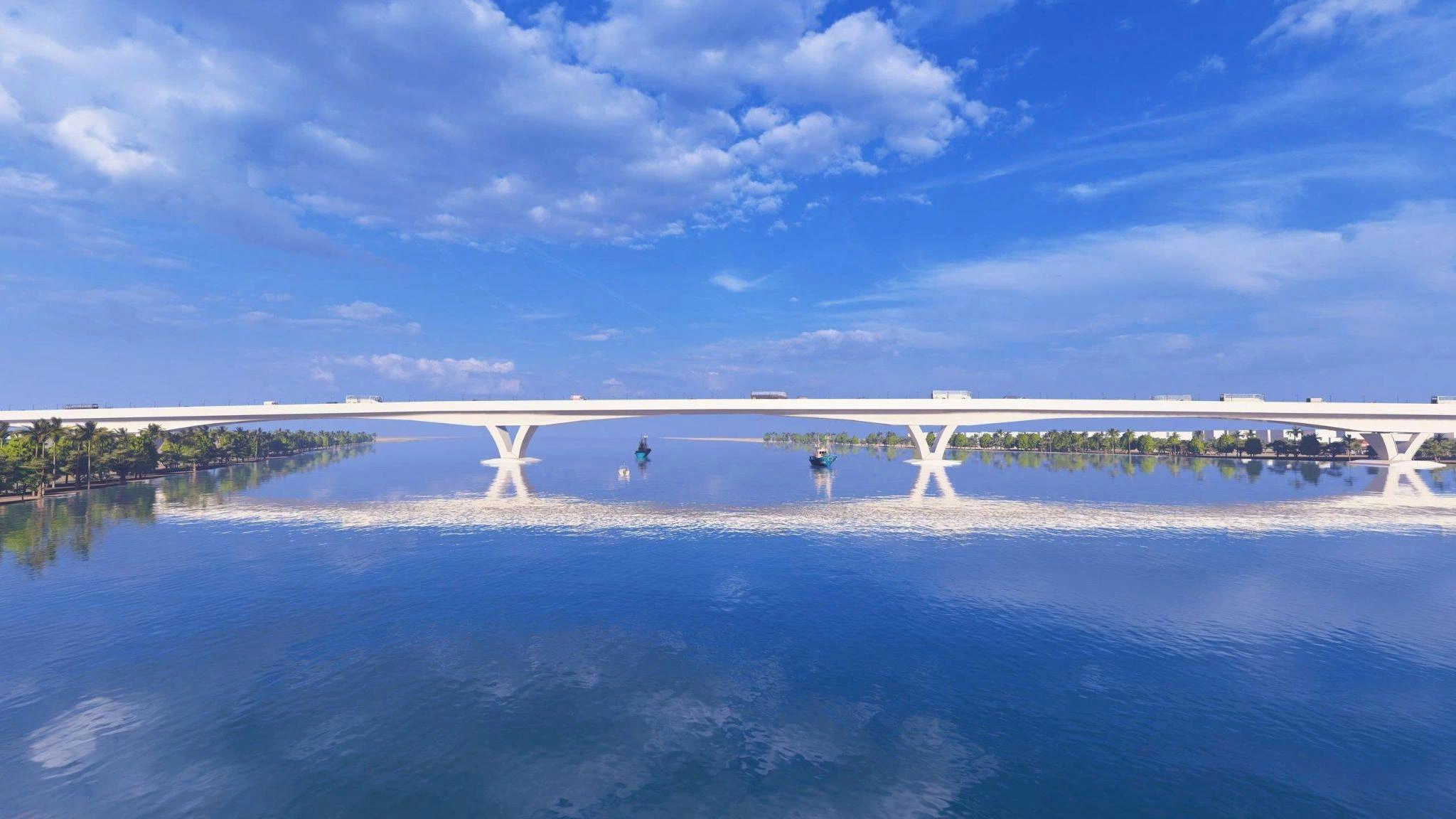 |
Perspective of Me So Bridge, part of Ring Road 4 - Hanoi Capital Region, implemented by CC1. Photo: CC1 |
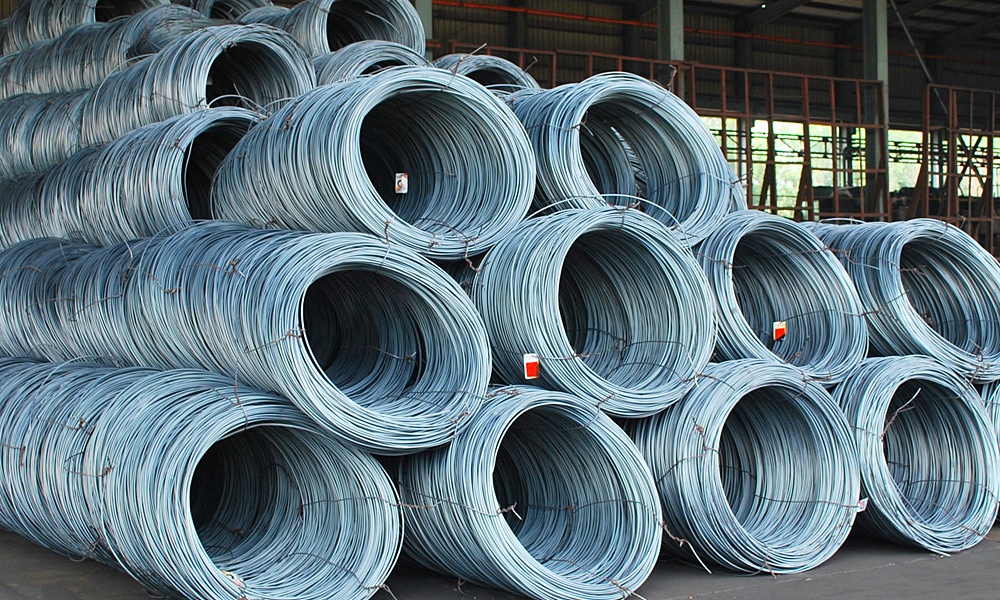
Amidst fluctuations in the construction material market, the risk of localized shortages of materials like steel, cement, or granular materials (sand, stone) remains present at various times. Domestic steel prices have also seen strong fluctuations recently, mirroring global market trends, influenced by input costs and the construction sector's recovery demand. This places considerable pressure on contractors' construction costs.
The company indicated that increasing prepayments to suppliers and subcontractors is a proactive step to ensure simultaneous progress across multiple construction fronts. This action also addresses the increasingly stringent timeline requirements from investors for key infrastructure projects.
According to CC1's leadership, a large backlog allows the company to proactively allocate resources, gradually transforming potential into actual revenue and profit.
With its origins as an enterprise under the Ministry of Construction, CC1 boasts over 46 years of experience in infrastructure construction and investment. The company has participated in numerous complex, key projects across the energy, industrial, transportation, and civil sectors nationwide.
In recent years, the company has gradually transitioned from a traditional construction contractor to an infrastructure investor, actively engaging in projects through PPP, BOT, and BT models, aligned with national development goals. Currently, the company is implementing approximately 70 packages and projects across the country, with many large-scale works entering their completion phase.
Hoai Phuong