On 11/6, the European Central Bank (ECB) announced a 25 basis point (0,25%) increase in its benchmark interest rate, bringing it to 2,25%. The market had anticipated this decision.
The ECB stated this move aimed to alleviate inflationary pressures from the Middle East conflict. "The interest rate increase is appropriate when considering various scenarios regarding the situation in the Middle East and the impact of this shock on the eurozone's medium-term outlook", the announcement stated.
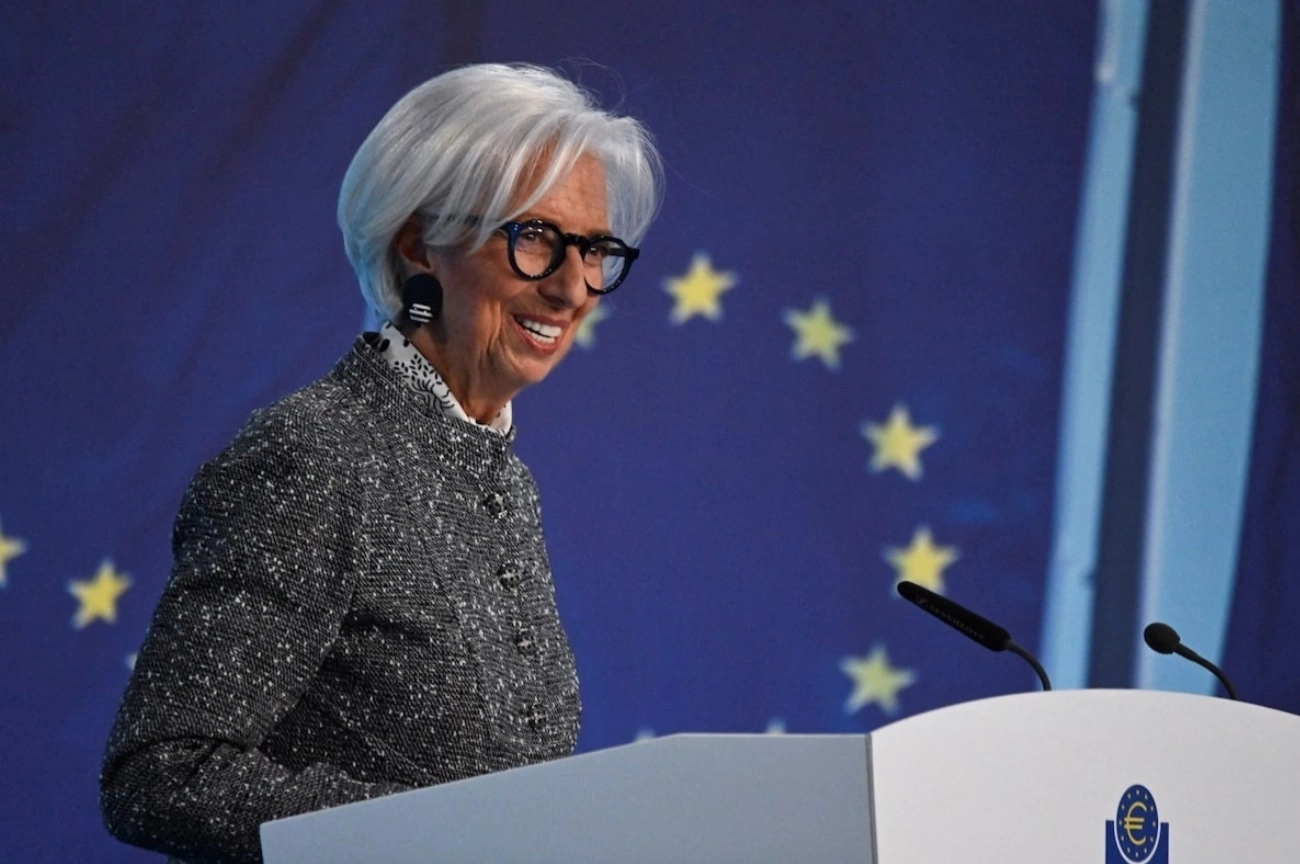 |
Christine Lagarde at the ECB headquarters in Frankfurt, Germany, on 19/3. *Photo: Reuters* |
The ECB also raised its eurozone inflation forecast to an average of 3% this year. Over the next two years, this rate is projected to cool to 2,3% and 2%. The changed outlook is due to higher energy price forecasts, which increase costs for food, goods, and services.
Economic growth forecasts were also adjusted downwards for this year and next. The ECB currently projects eurozone GDP to grow by an average of 0,8% in 2026 and gradually rise above 1% in the following two years.
Officials stated this reflects "a more pronounced impact of the conflict on commodity markets, real incomes, and consumer confidence". They assessed the future remains uncertain, particularly regarding inflation and growth. The full impact of the conflict will depend on the extent and duration of the energy price shock, as well as spillover effects.
The Middle East conflict has lasted for almost three months, disrupting global energy flows due to the closure of the Strait of Hormuz and attacks on production facilities in the Middle East. A ceasefire remains in effect, but tensions between Washington and Tehran have escalated in recent days.
Mark Wall, chief european economist at Deutsche Bank, believes the ECB's interest rate hike came at a "watershed moment". "This is the first interest rate increase by a major central bank globally in response to an energy shock", he wrote in a report. However, he suggested this tightening cycle would not be prolonged. The ECB might only raise rates once more in september.
Ha Thu (according to CNBC, Reuters)