On 18/5, China's National Bureau of Statistics announced that retail sales in April increased by 0.2% compared to the same period last year. This rate slowed from March and significantly missed economists' forecasts of 2%. According to data firm Wind, it was also the lowest increase since 12/2022.
China's industrial output rose by 4.1% in April year-on-year. This growth rate declined from March and also fell short of Reuters' survey forecast of 5.9%.
Investment in urban fixed assets, including real estate and infrastructure, also fell by 1.6% in the first four months of the year compared to the same period in 2025. The decline was primarily driven by the real estate sector.
Compared to its 2021 peak, real estate investment has halved. Continued declines in home prices could further pressure household assets and lead to job cuts in construction and related industries, according to Lizzi Lee, an expert at the Center for China Studies (CCA).
In contrast, exports accelerated in April, with turnover increasing by over 14%, nearly double the 7.9% forecast. Factories are ramping up to meet international customers' stockpiling demand, as buyers are concerned that the Middle East conflict will further raise input costs.
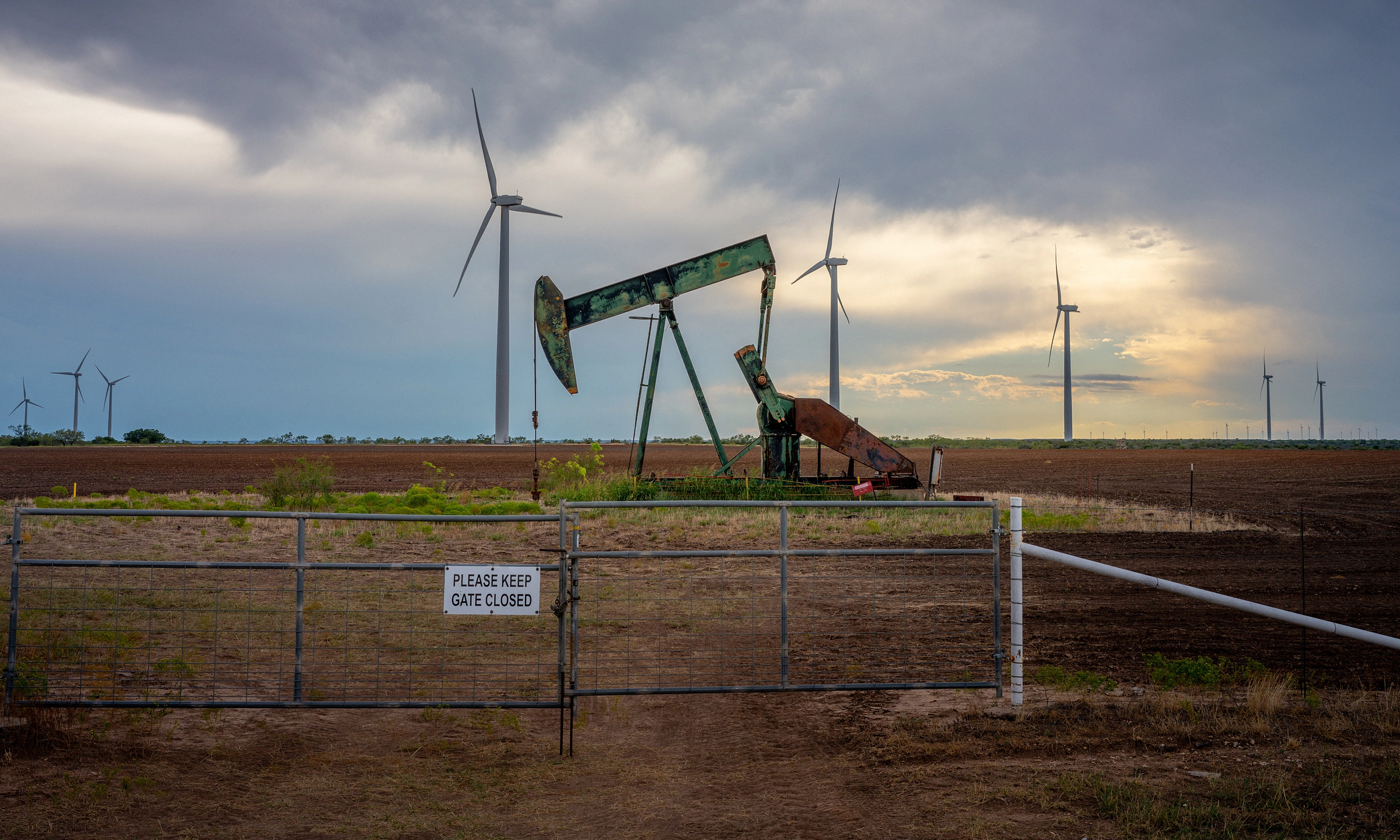
During a press conference today, National Bureau of Statistics spokesperson Fu Linghui warned that energy market volatility and supply chain disruptions stemming from the Middle East conflict continue to cast a shadow over the global economic recovery. However, the conflict has highlighted China's efforts to transition to renewable energy.
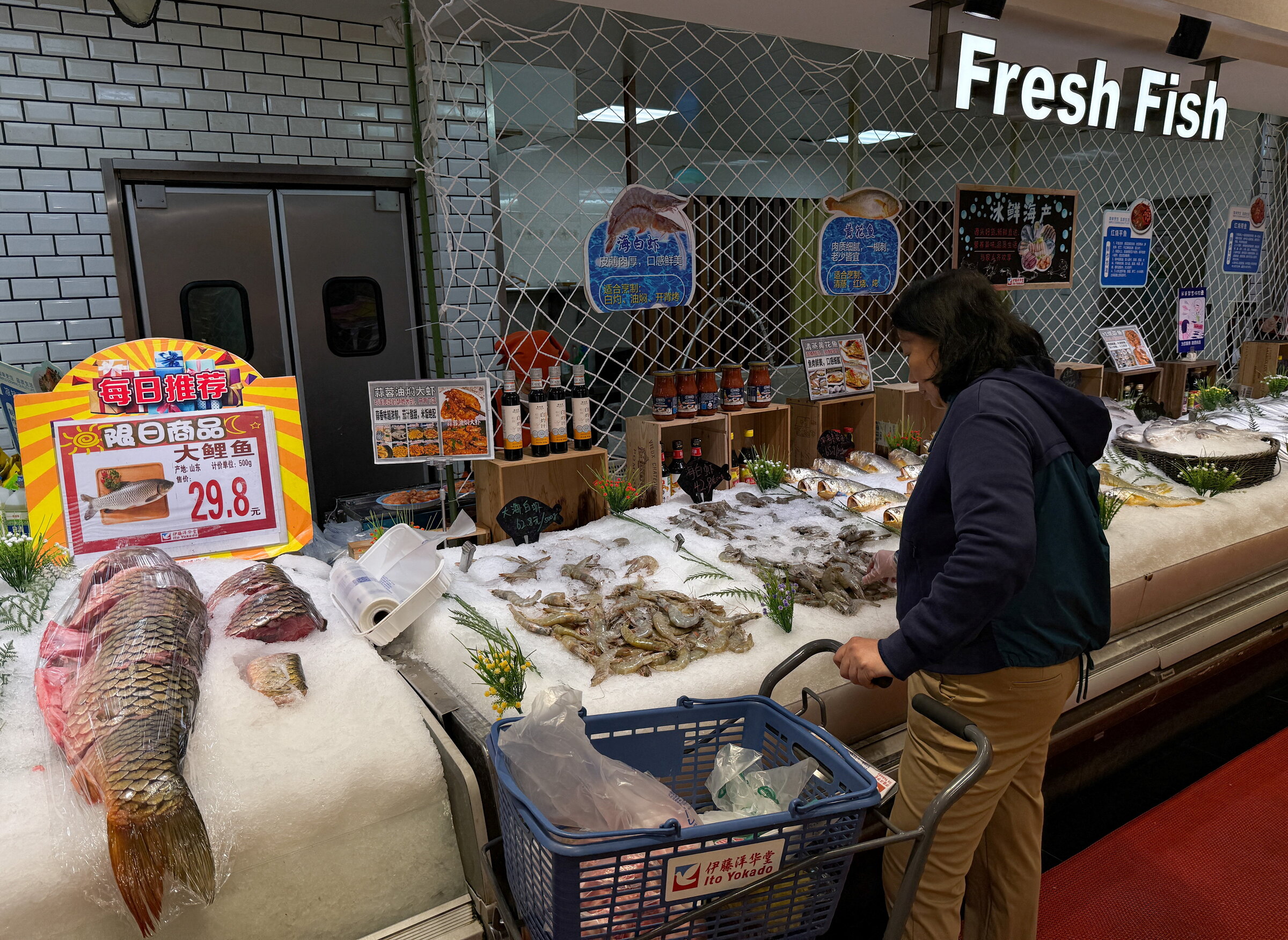 |
Customers shopping at a supermarket in Beijing, China, in 11/2025. *Reuters*.
China's crude oil refining output has decreased for two consecutive months. Rising fuel costs also accelerated commodity and consumer price indexes last month.
Fu emphasized that officials need to do more to boost domestic demand and urged businesses to improve products to attract consumers. Beijing has prioritized stimulating domestic demand this year. However, stimulus policies have had limited impact so far.
Spending on culture, tourism, sports, and entertainment, however, remains a bright spot for the economy. Retail sales in the service sector increased by 5.6% in the first four months of the year, surpassing the growth rate of overall retail sales.
Analysts forecast that China will maintain its current stimulus policies until clearer signs of weakness emerge. Beijing is likely to await Q2 GDP data before reassessing policies in July. The economy grew by 5% in the first Quarter.
Ha Thu (Source: CNBC)