Commercial oil stocks, those held by the private sector, "are only sufficient for a few weeks, and this number is decreasing very rapidly", Fatih Birol announced at a G7 finance ministers' meeting in Paris, France, on 18/5.
Birol noted a market oversupply and high commercial stocks existed before US and Israel launched attacks on Iran in late february. However, the situation quickly changed due to the conflict and the Strait of Hormuz blockade.
The release of strategic oil reserves by various nations added 2,5 million barrels per day to the market. Yet, Birol cautioned these reserves "are not infinite." As Northern Hemisphere countries begin spring planting and the summer travel season, stocks will decline faster due to increased demand for diesel, fertilizer, jet fuel, and gasoline.
Last week, the International Energy Agency (IEA) reported global oil supply this year falls short of demand. The Middle East conflict disrupted regional oil production, leading to an unprecedented stock reduction. This contrasts with the IEA's earlier forecast of an oversupplied market for this year.
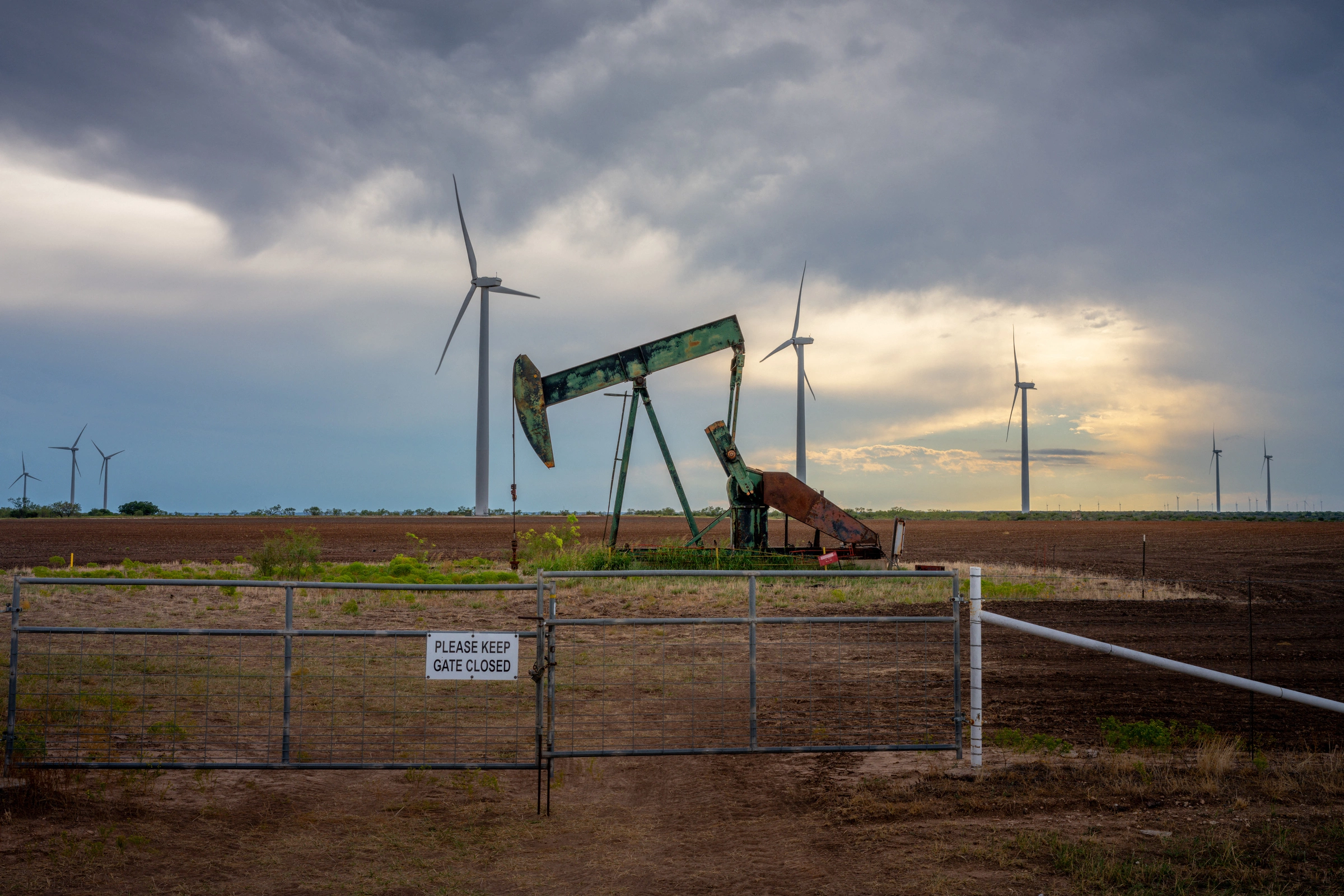 |
An oil extraction facility in Nolan, Texas, US, october 2023. Photo: AFP |
According to the IEA's latest report, observed global oil inventories decreased at a record rate in march and april, totaling 246 million barrels. 32 IEA member countries coordinated a strategic reserve release in march, injecting 400 million barrels of oil to cool the market. By 8/5, they had released 164 million barrels.
The agency reported that total global oil supply decreased by approximately 3,9 million barrels per day this year due to the conflict. This figure more than doubles their previous forecast of a 1,5 million barrels per day decrease.
Ha Thu (via Reuters)