Eng English
China 中国人

Eng English
China 中国人
  • News
  • World
  • Business
  • Entertainment
  • Sports
  • Law
  • Education
  • Health
  • Lifestyle
  • Travel
  • Science
  • Digital
  • Automobiles
  • Trở lại Thể thao
  • Business
Tuesday, 14/7/2026 | 07:22 GMT+7

China surpasses US to become Vietnam's largest seafood importer

China imported nearly 1.4 billion USD of Vietnamese seafood in the first half of the year, a 40% increase over the same period, surpassing the US to become the industry's largest export market.

According to the Ministry of Agriculture and Environment, seafood exports in the first six months reached over 5.7 billion USD, an 11.4% increase compared to the same period last year. Of this, China imported nearly 1.4 billion USD of Vietnamese seafood, an approximate 40% increase year-on-year, surpassing the US, which imported nearly 898 million USD. Including Hong Kong, export turnover to this region reached approximately 1.5 billion USD, up nearly 38%. Japan ranked third with nearly 788 million USD, a slight increase compared to the same period last year.

A representative from Nam Viet Joint Stock Company stated that the shift towards China became evident from the beginning of the year. In Quarter I, businesses faced raw material shortages, but by Quarter II, both raw material and selling prices decreased. With shipping costs to distant markets remaining high, China emerged as a more attractive option due to its geographical proximity, lower logistics fees, and quicker capital recovery time.
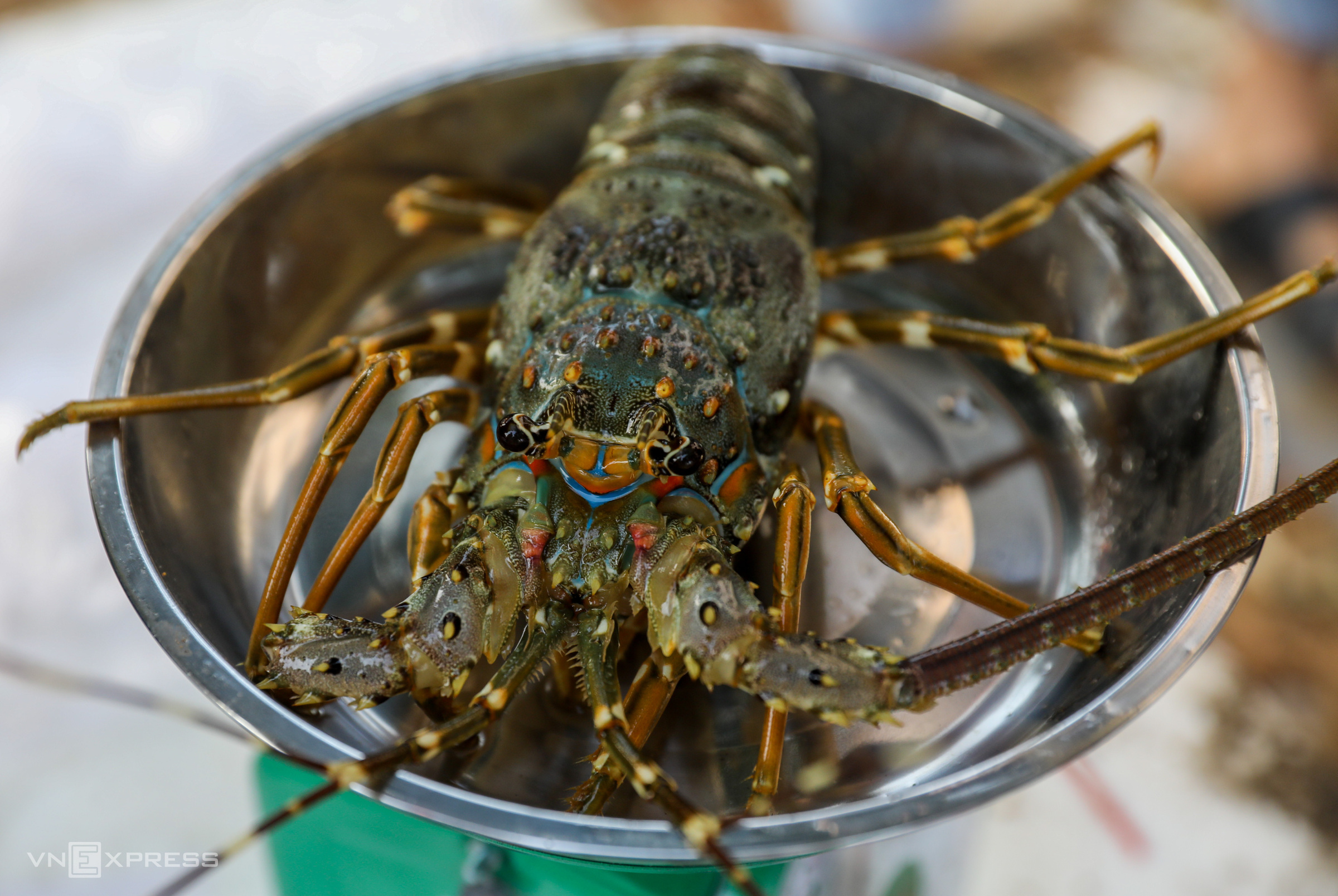
Lobster sold in TP HCM. Photo: Quynh Tran

This assessment was echoed by Le Hang, Deputy General Secretary of the Vietnam Association of Seafood Exporters and Producers (VASEP). According to her, as the US and Europe increased trade barriers, many businesses proactively redirected their focus to China. Besides less stringent import requirements, this market offers a significant advantage in geographical distance, helping reduce logistics costs and transportation time. For fresh seafood products, businesses can export through border gates, making preservation more convenient and cost-effective.

Meanwhile, exports to the US continue to face pressure. According to Hang, the US is tightening regulations on wild-caught seafood under the Marine Mammal Protection Act (MMPA), requiring businesses to submit additional Certificates of Authenticity (COA) through a complex application process, which particularly impacts tuna products. Shrimp also continues to face high anti-dumping duties.

Furthermore, a surge in shipments to the US before the implementation of new tax policies led to increased inventory. Concurrently, US consumers are tending to tighten spending and prioritize low-priced products. These factors resulted in US export turnover remaining almost flat in the first six months.

According to VASEP, export growth in the first half of the year stemmed not only from recovering market demand but also reflected businesses' adaptability in adjusting markets and product structures. As importers become more cautious, orders tend to be shorter, smaller, and demand more competitive pricing, along with stricter standards for quality, certification, and traceability. This necessitates flexibility from businesses in production and market selection.

Shrimp continued to be the industry's largest export item, with turnover reaching approximately 2.3 billion USD in the first six months, a 13.6% increase, accounting for over 40% of total seafood export value. The primary growth drivers were mainland China and Hong Kong, with lobster experiencing strong purchasing from both markets. Meanwhile, pangasius reached approximately 1.1 billion USD, up 12.1%, maintaining its advantage due to competitive pricing and stable demand for whitefish in many markets.

Nevertheless, the export outlook for the second half of the year remains uncertain. Le Hang stated that businesses continue to face the risk of the US implementing additional protective measures and new trade barriers, ranging from regulations related to forced labor to the potential application of quotas on certain products. Coupled with the rising trend in refrigerated container shipping costs, these factors will pose challenges for the seafood industry in the coming months.

According to her, amidst changing trade policies, businesses have no choice but to continuously update market information, proactively adjust export plans, diversify markets, and increase the proportion of processed products to mitigate risks and sustain growth.

Thi Ha
By VnExpress: https://vnexpress.net/vuot-my-trung-quoc-thanh-nuoc-nhap-khau-thuy-san-viet-nam-nhieu-nhat-5096914.html
Tags: shrimp exports US seafood to China seafood exports

News in the same category

Global gold price leaves $4,000 mark, crude oil surges nearly 10%

Global gold price leaves $4,000 mark, crude oil surges nearly 10%

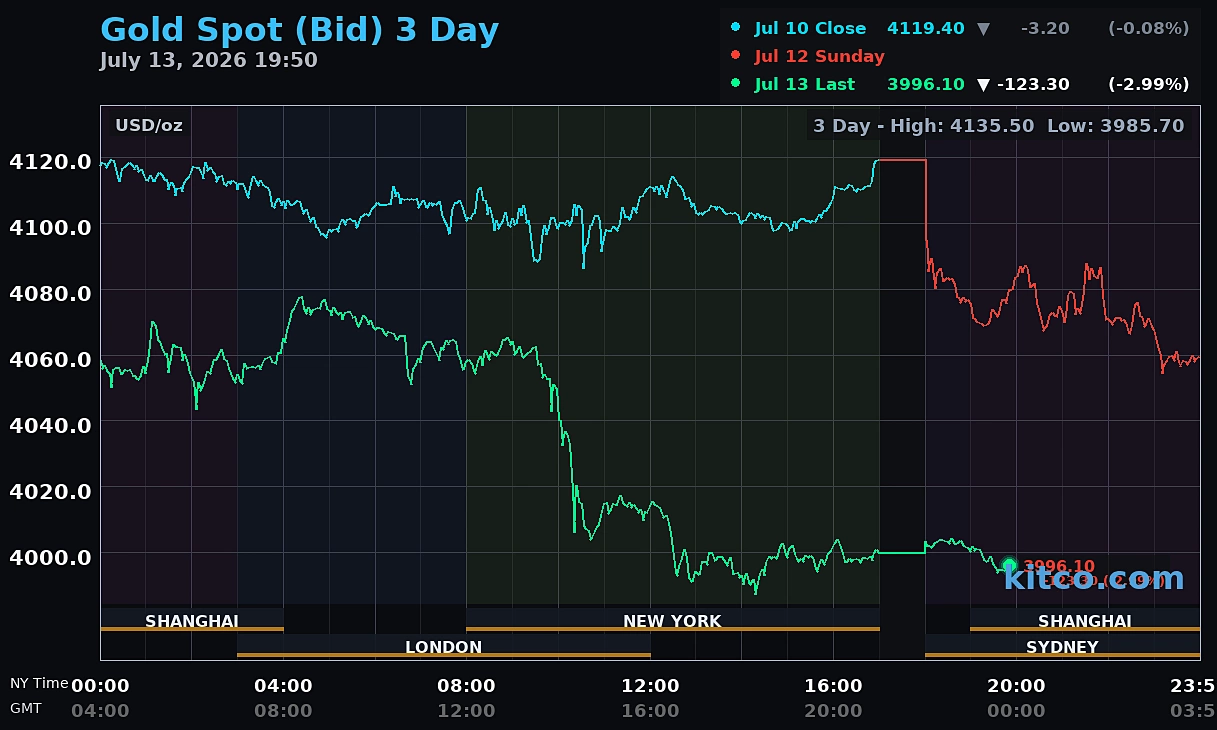
Gold prices have fallen below $4,000 per ounce, while Brent crude oil has surpassed $80 following the US's reimposition of a blockade on Iranian seaports.

Nearly 860,000 active enterprises nationwide

Nearly 860,000 active enterprises nationwide

By the end of 2025, the country had 859,048 active businesses reporting production and business results, a 25,5% increase compared to five years prior.

Anta Aura's workshop highlights the value of women

Anta Aura's workshop highlights the value of women

Anta Aura organized a workshop titled "softness", focusing on motherhood, career, and how modern women can love and understand themselves, on 5/7.

Prep marks 5 years in edtech sector

Prep marks 5 years in edtech sector

Prep has attracted over one million learners, expanded its operations to 5 countries, and introduced numerous artificial intelligence (AI) powered solutions for language learning over its 5 years in the edtech (educational technology) market.

Sun PhuQuoc Airways unveils new aircraft livery

Sun PhuQuoc Airways unveils new aircraft livery

Sun PhuQuoc Airways adopts a new brand identity for its aircraft, aiming to build its image as an international five-star airline.

Ministry of industry and trade: E10 gasoline batches traceable in case of incidents

Ministry of industry and trade: E10 gasoline batches traceable in case of incidents

Should consumers report issues with E10 gasoline, authorities can trace its origin from retail outlets back to main depots, blending facilities, and import points, using stored fuel samples.

Europe could face jet fuel shortages

Europe could face jet fuel shortages

Energy Aspects, an energy consultancy, estimates Europe will face a shortage of nearly 600,000 barrels of jet fuel per day in Q3.

Fitch ratings assigns HDBank BB- rating for the first time

Fitch ratings assigns HDBank BB- rating for the first time

HDBank has received a long-term issuer default rating of BB- with a "stable" outlook from Fitch Ratings, driven by its strong profitability, stable funding, and robust asset growth.

VIB Privilege Banking: a flexible management system for priority customers

VIB Privilege Banking: a flexible management system for priority customers

VIB Privilege Banking integrates personalized advice, management tools, and flexible products, enabling priority customers to monitor multiple income streams, allocate assets, and maintain liquidity.

Techcom Life receives double award recognition at Insurance Asia Awards 2026

Techcom Life receives double award recognition at Insurance Asia Awards 2026

Techcom Life was honored with two awards at the Insurance Asia Awards 2026 for digital transformation and life insurance, recognizing its solutions leveraging AI and digital platforms in business operations.

Eng English
China 中国人
  • News
  • World
  • Business
  • Entertainment
  • Sports
  • Law
  • Education
  • Health
  • Lifestyle
  • Travel
  • Science
  • Digital
  • Automobiles
FPT Tower, 10 Pham Van Bach Street, Dich Vong Ward,
Cau Giay District, Hanoi, Vietnam
Email: contacts@vnportal.net
Tel: 028 7300 9999 - Ext 8556
Advertise with us: 090 293 9644
Register
© Copyright 2026 vnnow.net. All rights reserved.
Terms of use Privacy policy Cookies