Europe is bracing for a significant jet fuel shortage in the third quarter of this year, a situation exacerbated by escalating tensions in the Middle East. Energy consultancy Energy Aspects estimates that the continent will face a deficit of nearly 600,000 barrels of jet fuel per day, based on data as of 18/6. This contrasts sharply with projected surpluses in the US and Asia-Pacific regions, which are expected to have 116,000 barrels and 425,000 barrels of excess supply, respectively.
The region's current inventory levels highlight its vulnerability. Europe's jet fuel reserves stood at 38 million barrels at the beginning of June, enough for only about 30 days of use, according to Reuters' calculations. This is the lowest level among major markets, compared to the US, which holds 99 million barrels in reserves. The International Energy Agency's (IEA) latest oil market report indicated that while the EU's jet fuel inventory at the end of may increased by 10% year-on-year, and refinery output rose by 30%, these figures still suggest the region has only about one month of reserve fuel.
"We believe the market will remain strained until august given this situation", commented Janiv Shah, an analyst at Rystad.
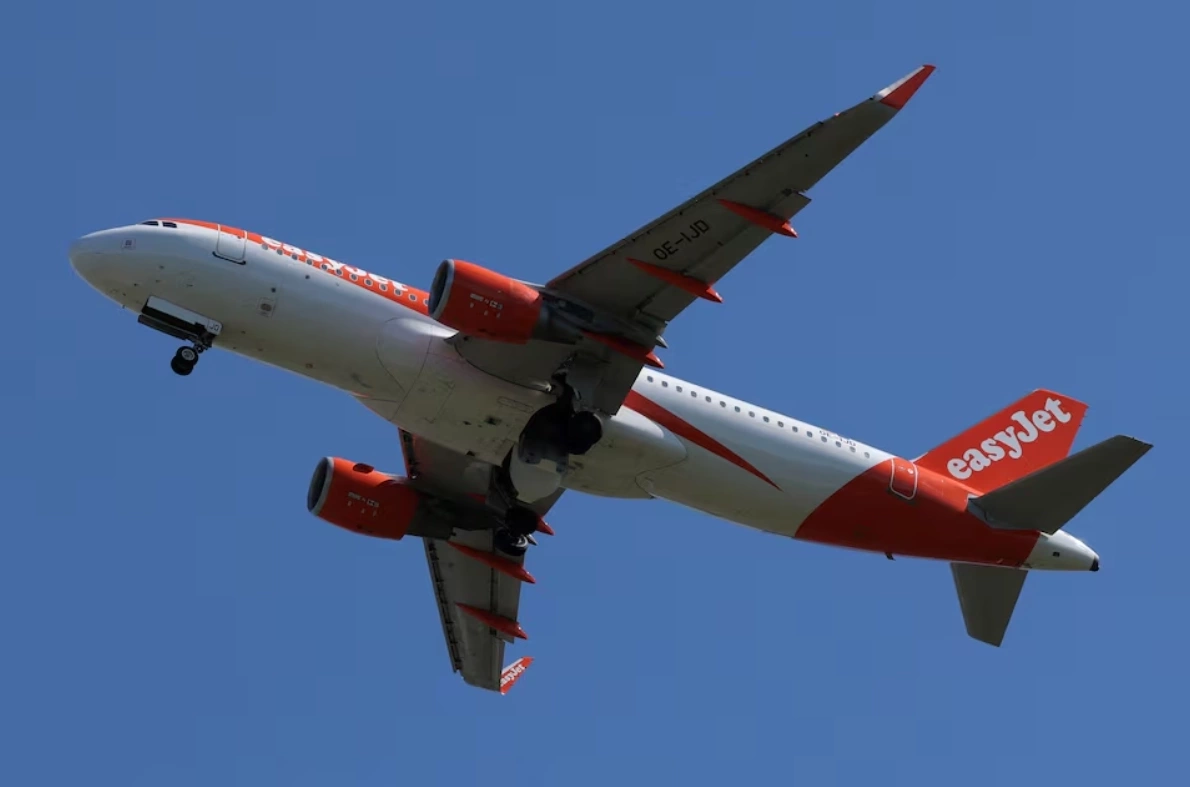 |
An easyJet aircraft takes off from France in 4/2026. *Photo: Reuters* |
Europe's reliance on imported fuel, particularly from the Middle East, makes it highly susceptible to supply disruptions. The UK, France, and Germany are expected to be the most severely impacted. Decades of refinery closures in these nations have deepened their dependence on Middle Eastern oil, much of which is transported through the Strait of Hormuz. This vital waterway accounts for 20% of global oil and liquefied natural gas supplies. However, traffic through Hormuz has been almost paralyzed since the outbreak of conflict in late february, significantly increasing the risk of supply interruptions.
The European Commission has acknowledged the potential for the fuel shortage to worsen. In June, Dan Jorgensen, the European Union Energy Commissioner, stated that the bloc would face jet fuel scarcity by late summer. Consequently, Brussels may consider releasing member states' strategic reserves to alleviate the situation.
Prior to the conflict, approximately one-half of Europe's imported jet fuel originated from the Middle East. To mitigate the risk of supply depletion, Europe has actively sought out new suppliers, including Canada.
Data from Kpler indicates that in June, Europe imported a total of 673,000 barrels of jet fuel per day, marking the highest level since 10/2025. The US and Nigeria emerged as the two largest exporters to the region, alongside Kuwait, Canada, India, and South Korea, diversifying Europe's supply chain.
While jet fuel prices in northwest Europe have seen a decline to about 133 USD per barrel from a record 215 USD at the end of march, easing some cost pressure for airlines (fuel typically accounts for 20-25% of operating costs), analysts suggest airfare prices are unlikely to decrease immediately. This is due to sustained high travel demand coupled with limited transport capacity, especially after many airlines reduced flights to optimize their fuel supply.
Ha Thu (according to Reuters)