On 29/8, three key components of the Nam Thang Binh Industrial Park (IP) officially commenced construction, representing a total investment of 1.098 trillion VND. These components include: an 18 ha factory-for-lease area (670 billion VND), phase two technical infrastructure covering 29,5 ha (268 billion VND), and a wastewater treatment plant with a capacity of 4,200 m3 per day (160 billion VND).
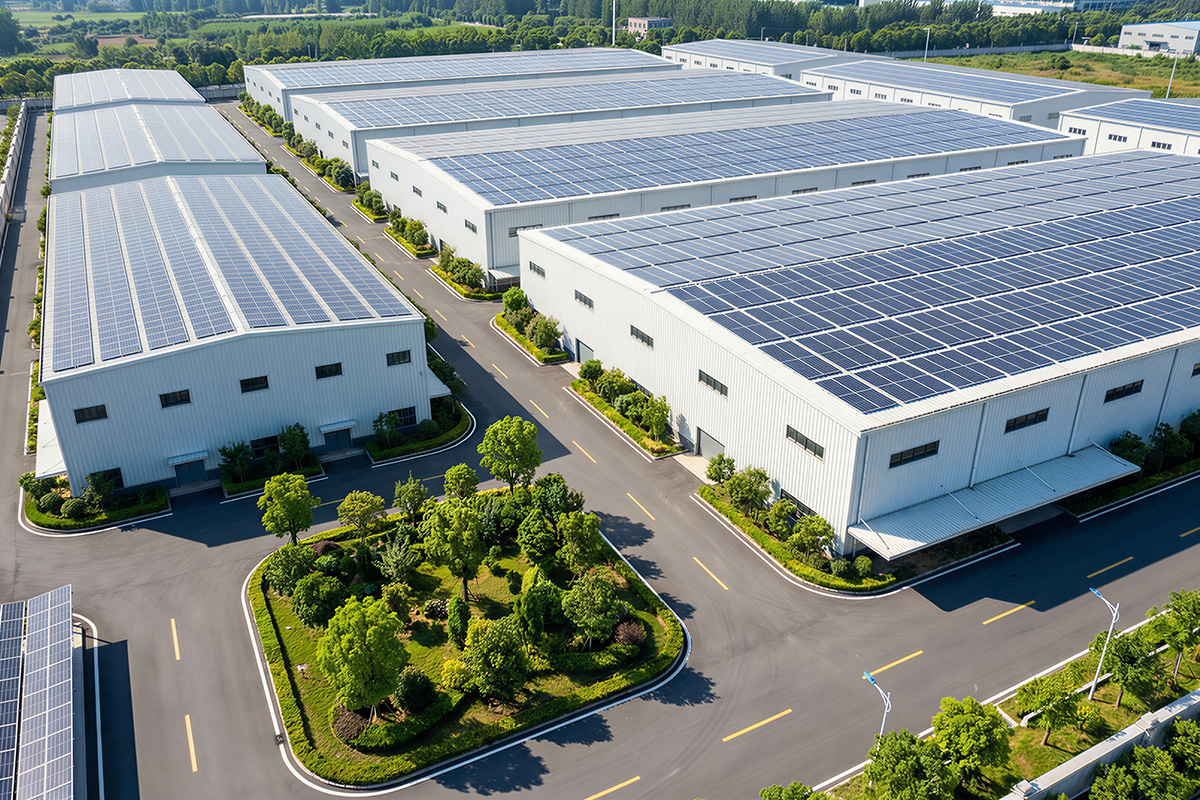 |
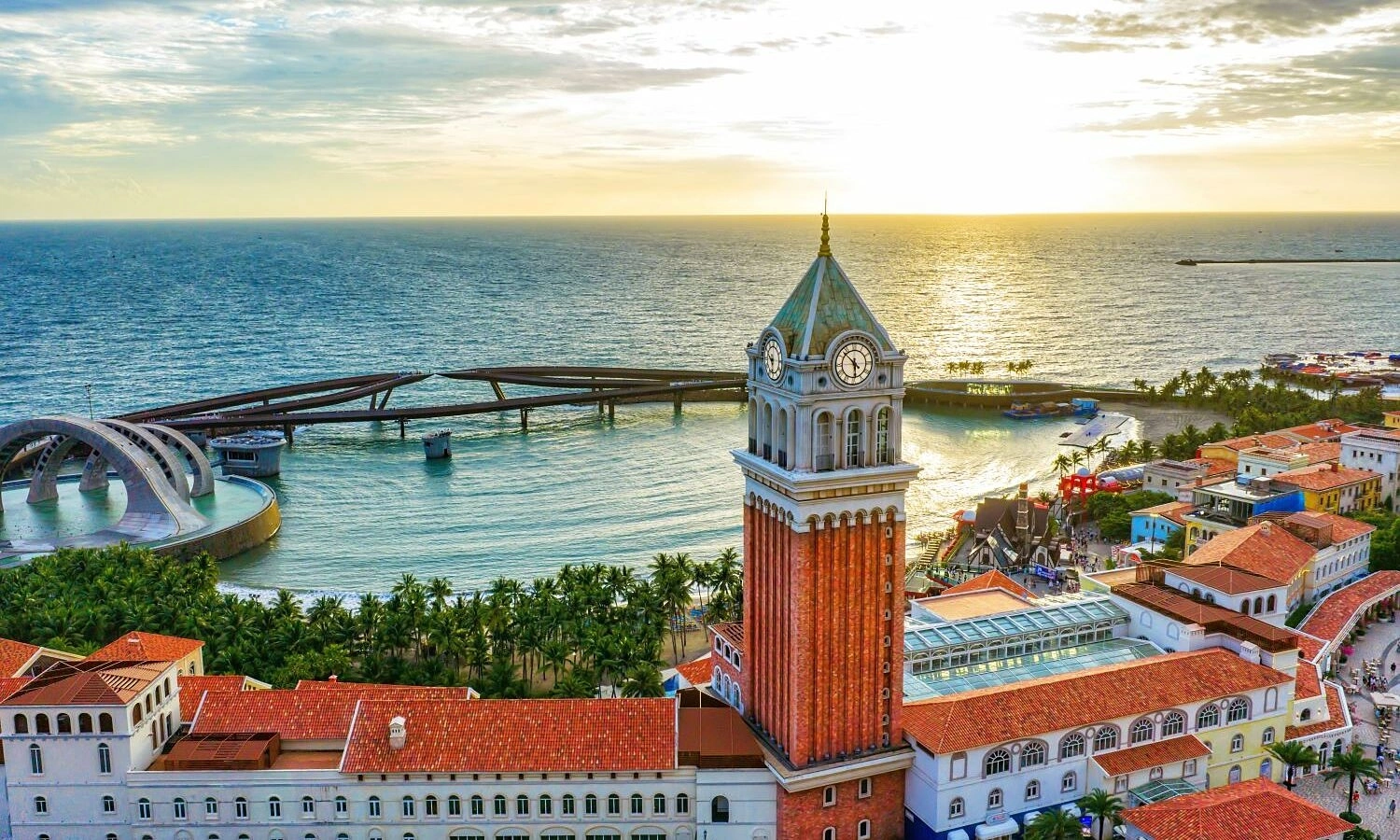
Perspective view of the factory area at Nam Thang Binh Industrial Park.
The project aims to establish comprehensive technical infrastructure, preparing clean land to attract high-tech and clean technology investments starting in early 2027. The Nam Thang Binh IP spans 346 ha, with a total investment exceeding 4.043 trillion VND. It is structured into eight phases, envisioned as an ecological, multi-sector, and low-emission industrial park.
A day earlier, the city also initiated the construction of Tam Anh 1 IP, covering 167 ha, with a total investment exceeding 1.500 trillion VND. This project focuses on attracting manufacturing, supporting industries, and high-tech sectors, with completion anticipated by Quarter IV/2028.
The simultaneous commencement of these southern projects is part of Da Nang's economic spatial restructuring strategy. Following the merger, the city now encompasses an area of over 11.800 km2 and a population exceeding 3 million, effectively addressing the previous bottleneck of insufficient industrial land within the urban core.
The southern economic corridor, comprising the Chu Lai, Thang Binh, and Tam Anh regions, boasts extensive land resources and excellent connectivity to deep-water seaports, Chu Lai Airport, and key expressways. Expanding infrastructure here is expected to generate local employment and establish a seamless production-logistics chain, linking the central area to the southern growth hub.
Phan Thai Binh, Vice Chairman of Da Nang City People's Committee, stated that the city government will accelerate land clearance, streamline administrative procedures, and ensure the provision of auxiliary infrastructure, including: electricity, water, and logistics. The city aims to attract selective investments, prioritizing high technology and refusing to trade environmental protection for economic growth.
Before this expansion, central Da Nang hosted six industrial parks: Hoa Khanh, Hoa Khanh Extended, Lien Chieu, Hoa Cam, Da Nang, and Da Nang Fisheries Services, alongside the High-Tech Park and the Concentrated Information Technology Park.
Following the integration of the entire southern industrial zone and cluster system—especially the Chu Lai Open Economic Zone—the city's production network has expanded into various segments such as: mechanical engineering, automotive assembly, high-tech textiles, semiconductor microchips, and supporting industries.
The city aims to maintain double-digit Gross Regional Domestic Product (GRDP) growth. Projects like Nam Thang Binh and Tam Anh 1, once operational, are expected to drive industrial production value, logistics services, and the digital economy across the entire region.
Nguyen Dong