On 17/6, following a two-day policy meeting, the Fed decided to keep its benchmark interest rate unchanged at 3,5-3,75%. This marks the fourth consecutive meeting this year where rates have remained stable. Last year, the central bank reduced interest rates three times.
Under the leadership of new Chair Kevin Warsh, the post-meeting policy statement was notably more concise. It solely focused on the interest rate decision and reaffirmed the Fed's goal of maintaining "ample reserves in the banking system." The document omitted any mention of future interest rate guidance.
In its economic assessment, Fed officials observed that "productivity and investment growth remain strong." While acknowledging that inflation is still "above its 2% target," the Fed attributed this partly to "supply shocks driving up prices in certain sectors, such as energy." Latest forecasts indicate that inflation will decline significantly next year. "The Committee will ensure price stability," the statement affirmed.
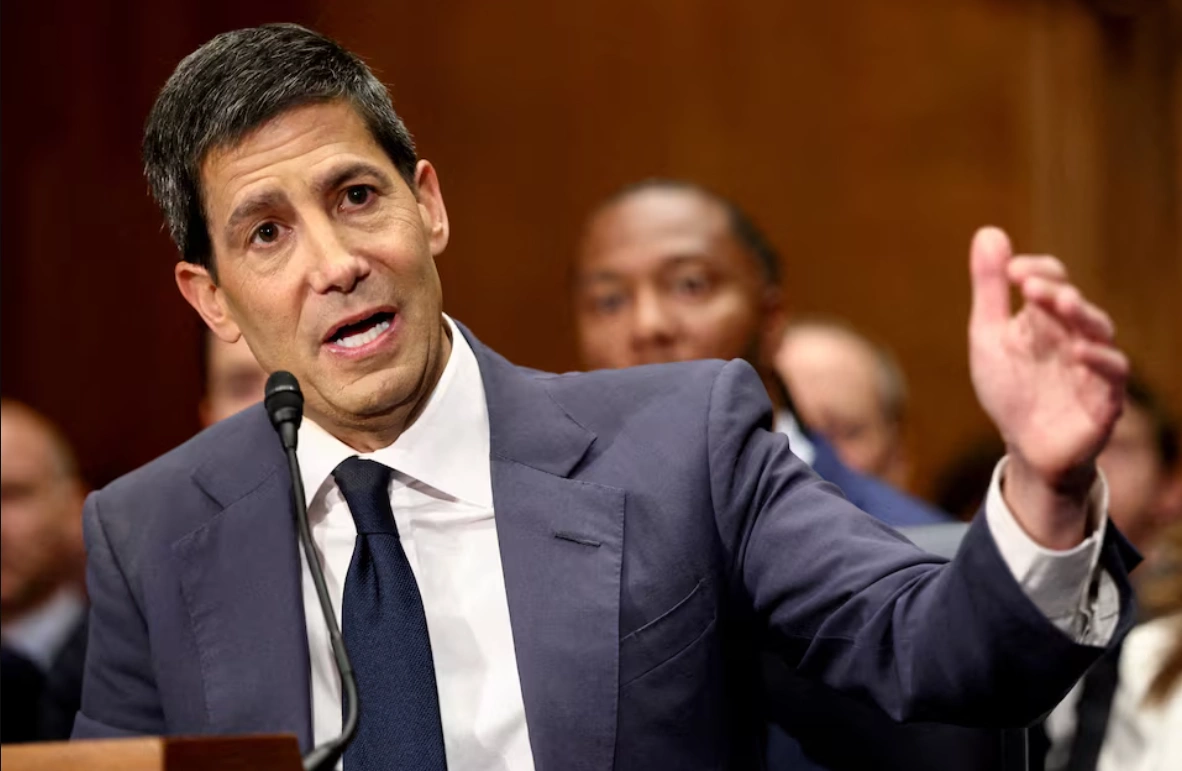 |
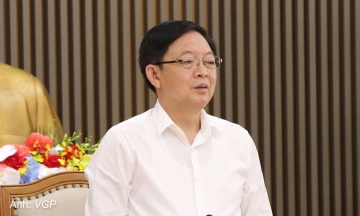
Fed Chair Kevin Warsh during his Senate confirmation hearing in april. *Photo: Reuters* |
This meeting, the first chaired by Kevin Warsh, occurred amid robust US economic data. Recent figures show strong US hiring, an unemployment rate at a relatively low 4,3%, and inflation well above the 2% target. Retail sales last month rose nearly 1% - double forecasts, reinforcing the view that consumer purchasing power has not weakened.
Warsh's appointment followed his nomination by US President Donald Trump earlier this year and confirmation by the US Senate last month. The new Fed chair took the helm amid President Trump's previously stated high expectations for interest rates. Since last year, Trump had repeatedly criticized the Fed and former Chair Jerome Powell for not aggressively cutting rates. During the selection process for Powell's successor, Trump frequently stated he would only choose someone who favored rate cuts. This raised concerns that the monetary authority's independence could be weakened under the new chair, potentially limiting its ability to control inflation and stabilize markets.
However, during Warsh's inauguration, Trump stated he wanted Warsh to be "completely independent." The new Fed chair also announced he would continue to promote price stability and maximum employment, but would lead the Fed with a "reform-oriented approach," learning from past successes and mistakes and breaking away from rigid frameworks and models.
Investors currently anticipate the Fed will raise interest rates in december by 25 basis points (0,25%).
Ha Thu (according to Reuters)