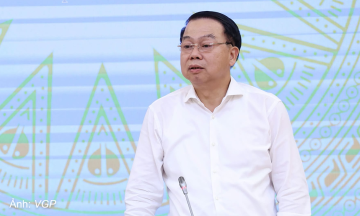
At a meeting with voters in Quang Ninh on 3/10, Finance Minister Ngo Van Tuan announced that the Ministry of Finance is continuing to amend tax regulations. The goal is to simplify procedures and reduce compliance costs for citizens and businesses.
Specifically, for business households, small and micro-enterprises, tax calculation methods will be streamlined to align with their operational scale and management capabilities. This simplification aims to help businesses more easily fulfill their tax obligations and facilitate management for tax authorities.
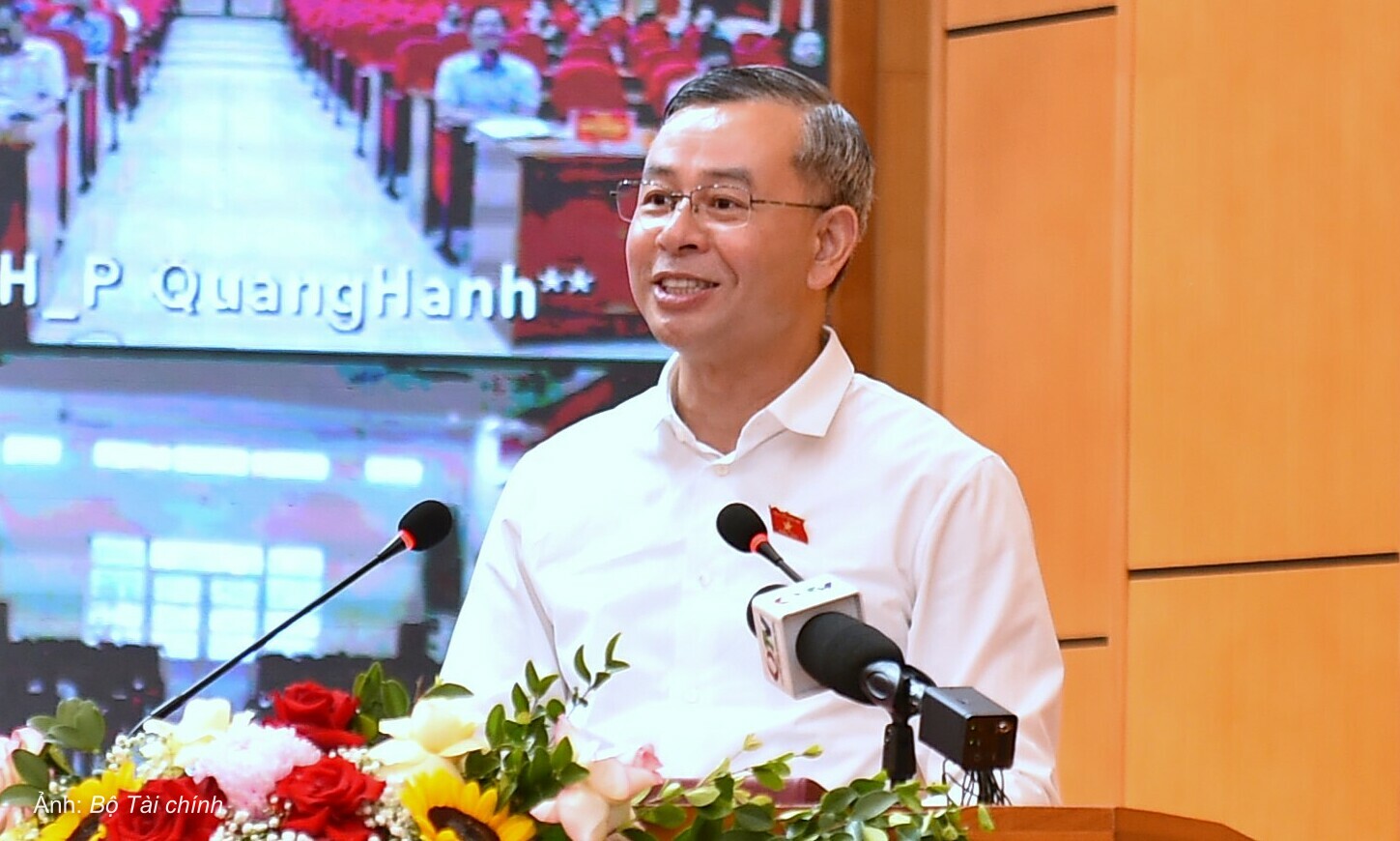 |
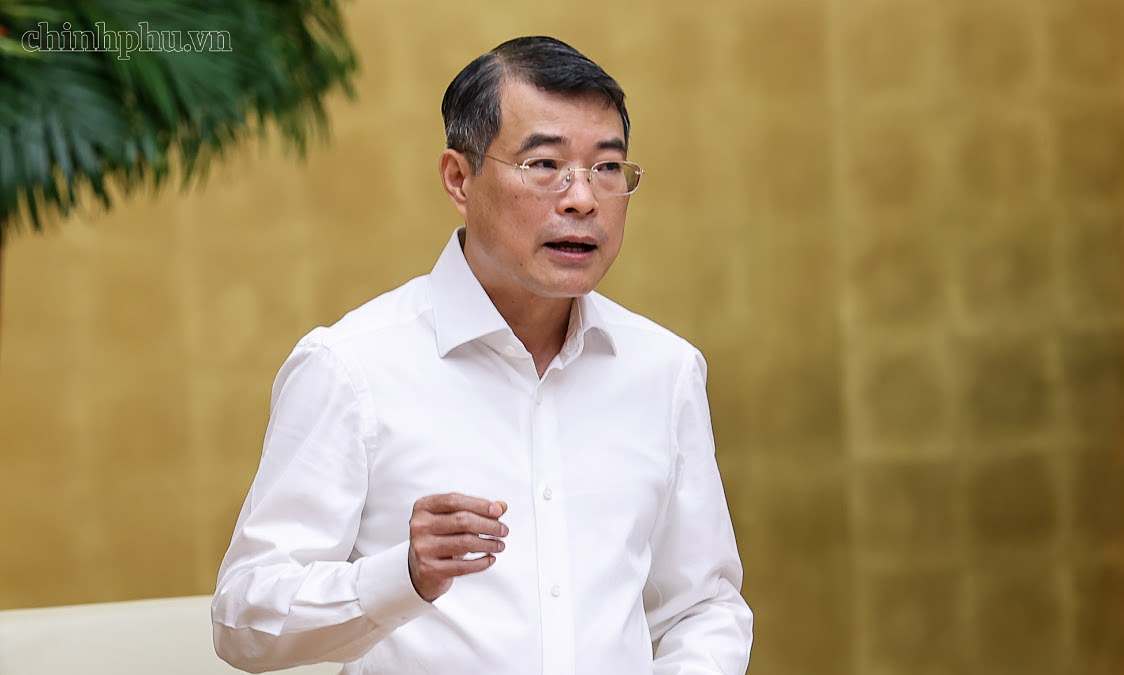
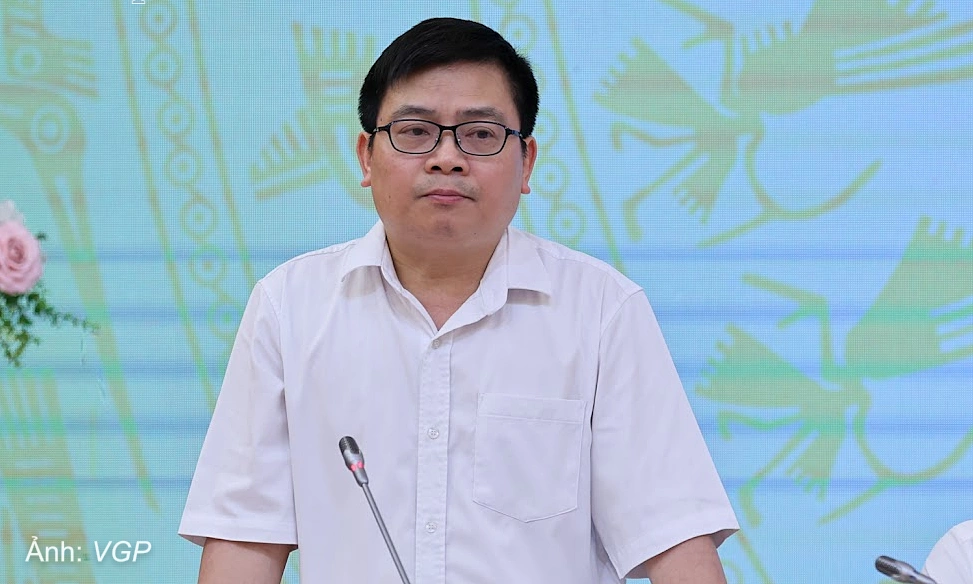
Finance Minister Ngo Van Tuan speaking at the conference on 3/10. *Photo: MOF*. |
The Minister noted that despite many procedures in this area having been cut, further reform is still necessary. He emphasized that complex procedures for entering, operating, and exiting the market create additional costs for businesses. This insight comes as approximately 223,900 businesses entered and re-entered the market in the first 9 months of the year, while about 172,000 withdrew. Monitoring by the tax sector indicates that a segment of businesses, especially small and medium-sized ones, still face difficulties in production and business.
Regarding the broader economic situation, Vietnam's GDP for the first 9 months of the year is estimated to have increased by 9,01% year-on-year, with Quarter III alone seeing a 9,95% increase. However, the Minister highlighted that the 9-month growth rate is still about 1 percentage point lower than required to achieve the double-digit annual growth target. To meet this ambitious goal, GDP in Quarter IV needs to increase by approximately 12,5%. Consequently, ministries and localities must continue to resolve obstacles and actively promote investment, production, business, export, and consumption.
Public investment disbursement in the first 9 months reached about 643,000 billion dong, equivalent to 62,9% of the annual plan. The Minister identified inadequate project preparation as a key bottleneck, leading to frequent adjustments and extended timelines. He stressed that the quality of project preparation needs to be improved from the outset, while also linking it with the ability to mobilize private resources.
Beyond fostering growth, the Minister stated that pressure to control prices remains significant, particularly for energy commodities. For electricity prices, the Ministry of Finance is developing solutions to limit the impact on citizens, especially household electricity, while ensuring supply. Operators must also consider the risk of drought affecting hydropower and proactively secure alternative sources to ensure energy security.
Concerning petrol prices, the Minister explained that since the beginning of the year, operators have implemented various measures. These include tax solutions (import, environmental protection), price management, and utilization of the Fuel Price Stabilization Fund. These efforts aim to curb domestic price increases, thereby reducing pressure on citizens, businesses, and overall inflation.