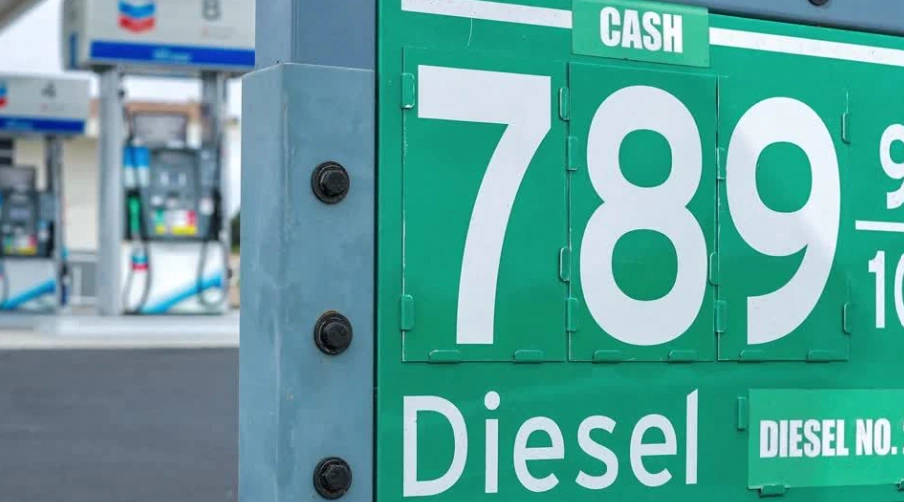
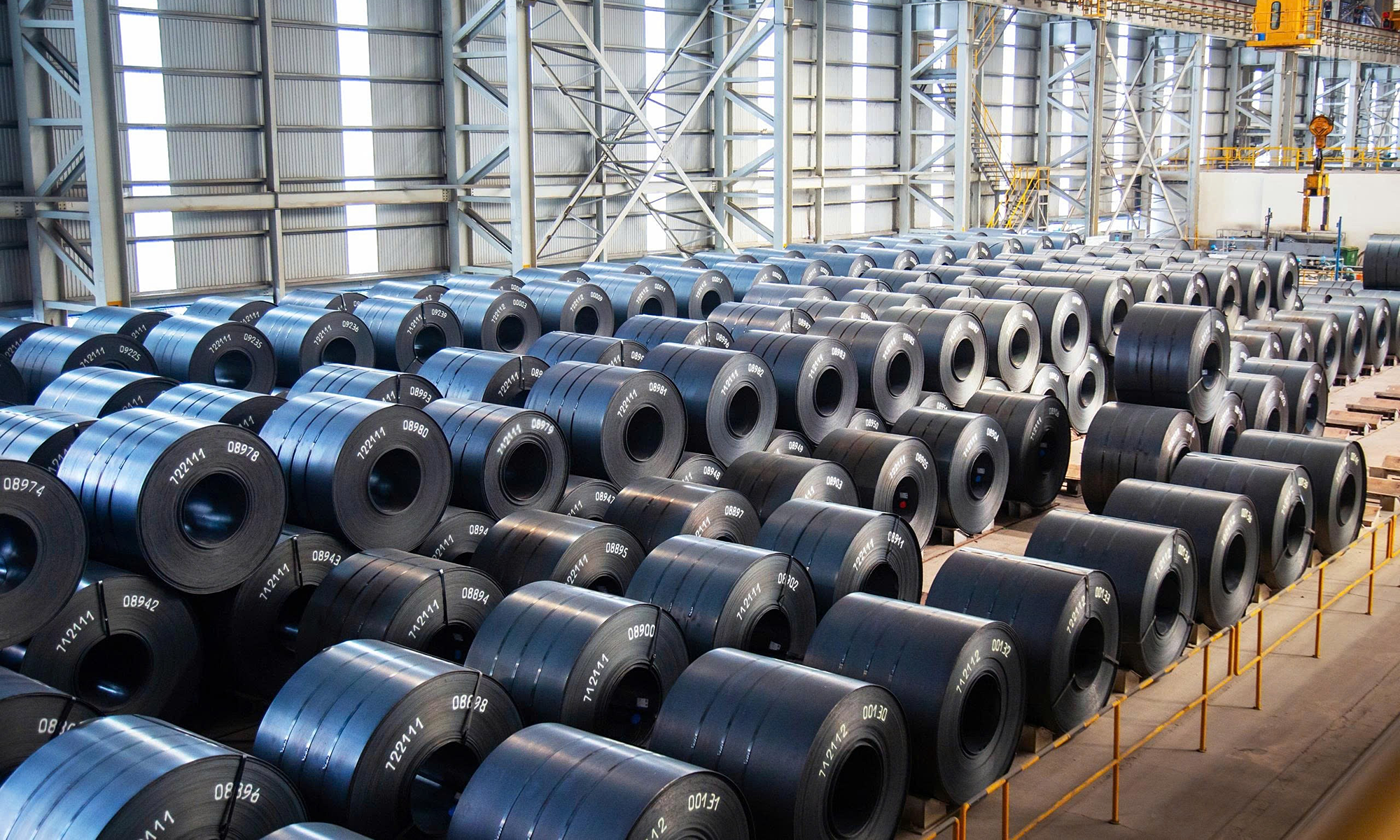
Concluding the government meeting on 3/10, Prime Minister Le Minh Hung directed ministries, sectors, and localities to tightly control prices. He urged them to strive to keep the average consumer price index (CPI) increase for 2026 within the target set by the National Assembly, which is around 4,5%. This directive comes as the average CPI for the first nine months rose by 4,52%, amid strong upward pressure from global gasoline and oil prices.
Accordingly, he instructed against increasing electricity prices and called for continued research into appropriate price regulation solutions for electricity, gasoline, and oil. Chairpersons of the People's Committees in localities were directed to manage prices of goods in their areas. Ministries and sectors must ensure the supply of essential goods such as food, foodstuffs, construction materials, and medicine. Concurrently, authorities need to increase inspections and strictly penalize hoarding, speculation, and smuggling.
According to reports at the meeting, electricity, gasoline, and oil supplies have been ensured recently. Additionally, regulating and increasing hydropower exploitation has helped maintain supply and prevent electricity price hikes in the early months of the year.
Electricity output for the first nine months reached 266,2 billion kWh, a 9,5% increase compared to the same period last year, according to Minister of Industry and Trade Le Manh Hung. In Quarter IV, the ministry will continue to exploit domestic primary energy sources, reducing reliance on imported oil, gas, and coal. It will also coordinate hydropower reservoir regulation and respond to El Niño.
The Ministry of Industry and Trade will also accelerate key energy and industrial projects. Mr. Hung urged localities to synchronize power source planning with the grid, especially grids below 220 kV. They should also proactively balance supply capacity when attracting large electricity-consuming projects.
The Prime Minister assigned the Ministry of Industry and Trade, along with businesses, to ensure a full supply of electricity, gasoline, and oil. The ministry must soon submit and implement the revised Power Master Plan VIII and restructure EVN. It must also finalize and submit a decree on gasoline and oil business, and increase coal, oil, and gas exploitation.
The Ministry of Finance, as the standing agency of the Price Management Steering Committee, is tasked with coordinating with ministries and sectors to update detailed monthly CPI scenarios for proactive management.
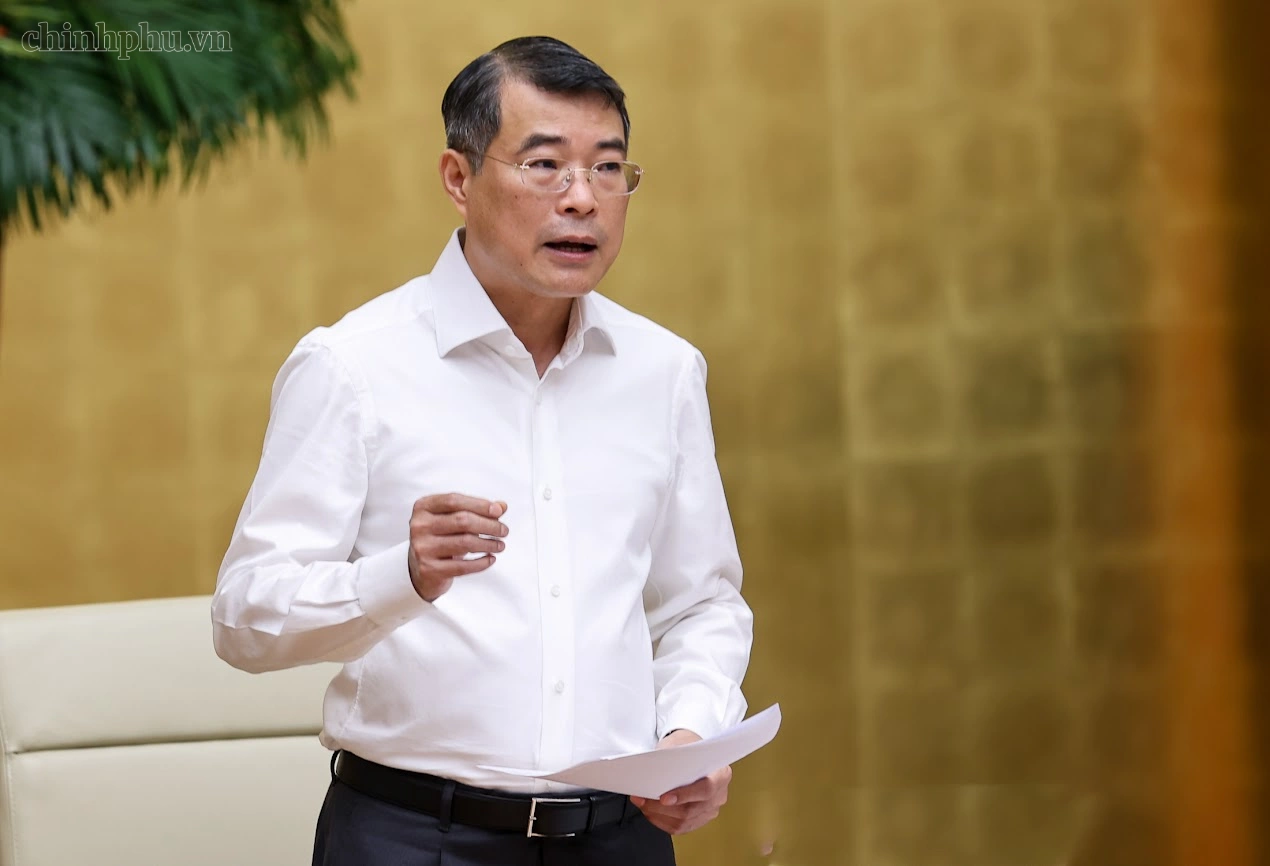 |
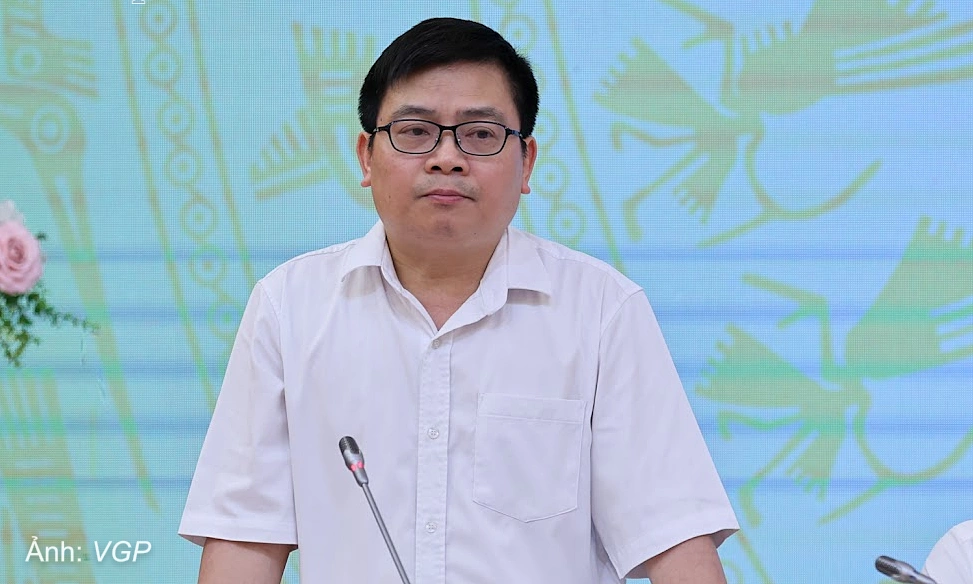
Prime Minister Le Minh Hung speaks at the government meeting on 3/10. Photo: VGP |
Beyond inflation control, the head of government urged localities to make their utmost efforts to achieve a double-digit growth target for the entire year. GDP in Quarter III increased by 9,95%, bringing the nine-month growth rate to 9,01%, the highest since 2011. To meet the annual target, GDP in Quarter IV must grow by over 12,5%.
The Prime Minister assessed this as "immense pressure, a heavy task." Meanwhile, macroeconomic management faces increasing pressure, and traditional growth drivers have not been strongly promoted. Interest rates remain relatively high, and small and medium-sized enterprises still struggle to access capital and credit.
He requested localities to update growth scenarios after nine months, identify shortfalls compared to targets, and implement specific solutions in Quarter IV. Localities with large economic scales, such as TP HCM, Ha Noi, Hai Phong, Quang Ninh, Dong Nai, and Bac Ninh, must more vigorously exploit their potential, contributing more to national growth.
Localities with growth rates below their set targets need to carefully assess remaining growth potential, striving to achieve targets at the highest level. The Prime Minister stated that Quarter III saw a "yellow light" for some localities showing no progress in certain areas. However, year-end results will serve as the basis for evaluating, assigning, and rotating officials.
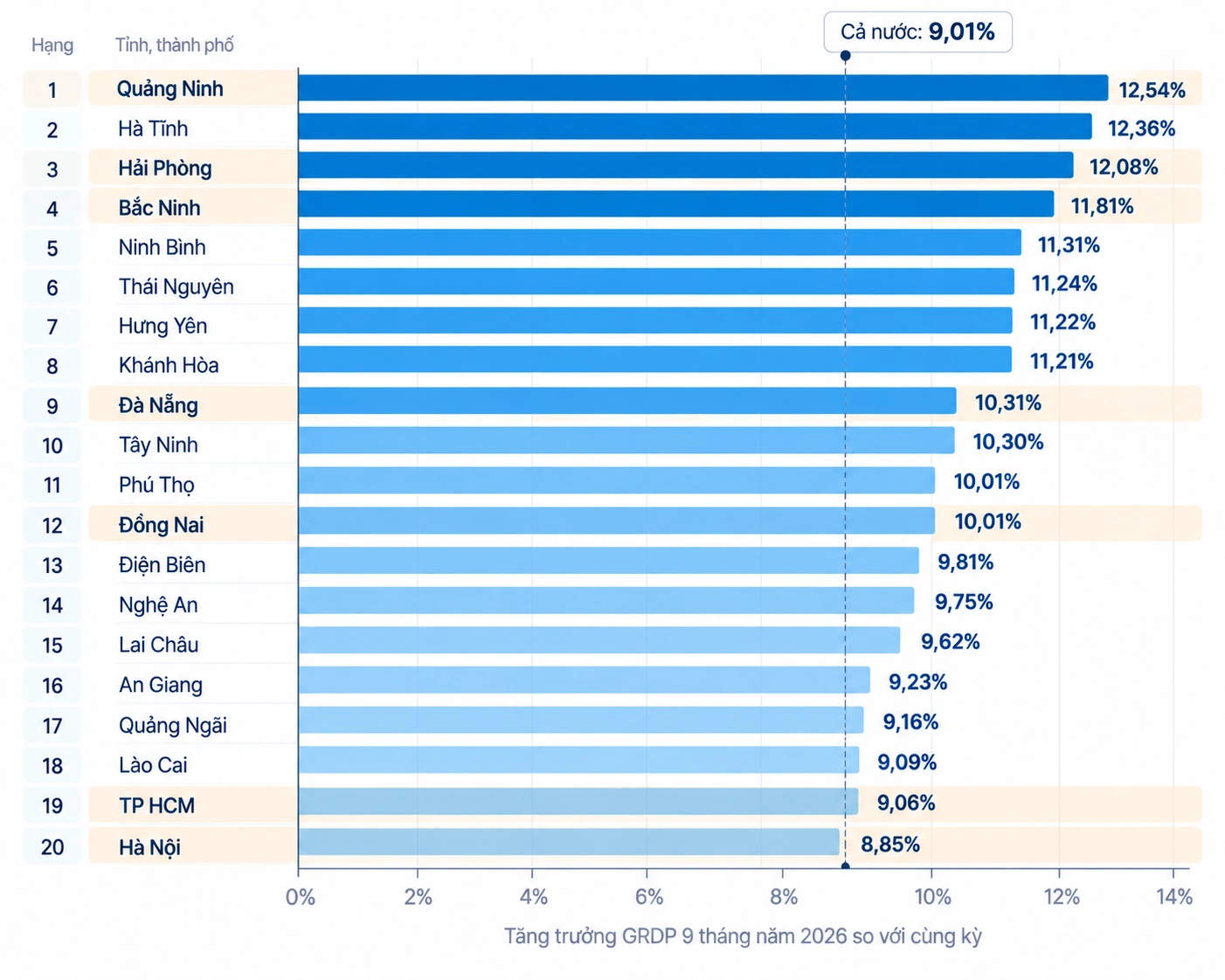 |
Top 20 GRDP growth for nine months. Graphics: Phuong Dung (AI support) |
Public investment remains a crucial driver to be promoted. After nine months, disbursement reached nearly 643.000 ty dong, equivalent to 63% of the plan. The Prime Minister urged ministries, sectors, and localities to strive for full disbursement of the annual plan, complete key projects on schedule, and resolve long-standing pending projects.
The Ministry of Finance is tasked with promptly submitting to the government a decree to reduce income tax by 30% for businesses and business households with annual revenues not exceeding 10 ty dong. This agency must research simplifying tax management procedures, particularly focusing on institutionalizing market entry and exit procedures, and tax declaration and payment methods.
The State Bank of Viet Nam must ensure liquidity for the economy, stabilize interest rates, and the foreign exchange market. Ministries, sectors, and localities also need to stimulate demand, capitalize on the year-end consumption and tourism season while stabilizing prices. Simultaneously, they should boost exports, reduce trade deficits, and attract private and foreign investment.
Phuong Dung