Experts warn the current El Nino event, lasting from 6/2026 to 5/2027, could reach new extreme levels, causing drought, heatwaves, floods, and other unusual weather phenomena in South America, Africa, and Asia.
Kareff Rafisura, head of the Disaster Risk Reduction unit at the United Nations Economic and Social Commission for Asia and the Pacific (ESCAP), stated that global ocean temperatures set new records in august.
According to the UK's meteorological and climate agency, this year's El Nino could be the "strongest on living memory". The US National Oceanic and Atmospheric Administration said there is a 69% chance it could be the strongest El Nino since 1950.
El Nino's impact varies across regions, but it risks pushing global food prices up by nearly 16%, according to Goldman Sachs. The ripple effect extends worldwide, including Europe, where eurozone food prices could rise by 1,3%.
However, price fluctuations will have a lag in the supply chain due to varying crop cycles. Declining water levels in canals and rivers also affect agricultural logistics.
Therefore, Goldman Sachs suggests that the full impact of El Nino on global food prices will only "fully manifest" by the second half of 2028. UBS Bank believes this phenomenon will exacerbate existing challenges for the agricultural sector, such as fertilizer supply shortages and rising energy prices due to the Middle East conflict.
"Even moderate supply disruptions could cause greater price volatility than seen in the past", UBS Bank stated.
According to HSBC Bank's global investment research division, calculating the total economic damage caused by extreme drought is difficult. However, this time the losses are likely to exceed the trillions of USD incurred during previous events.
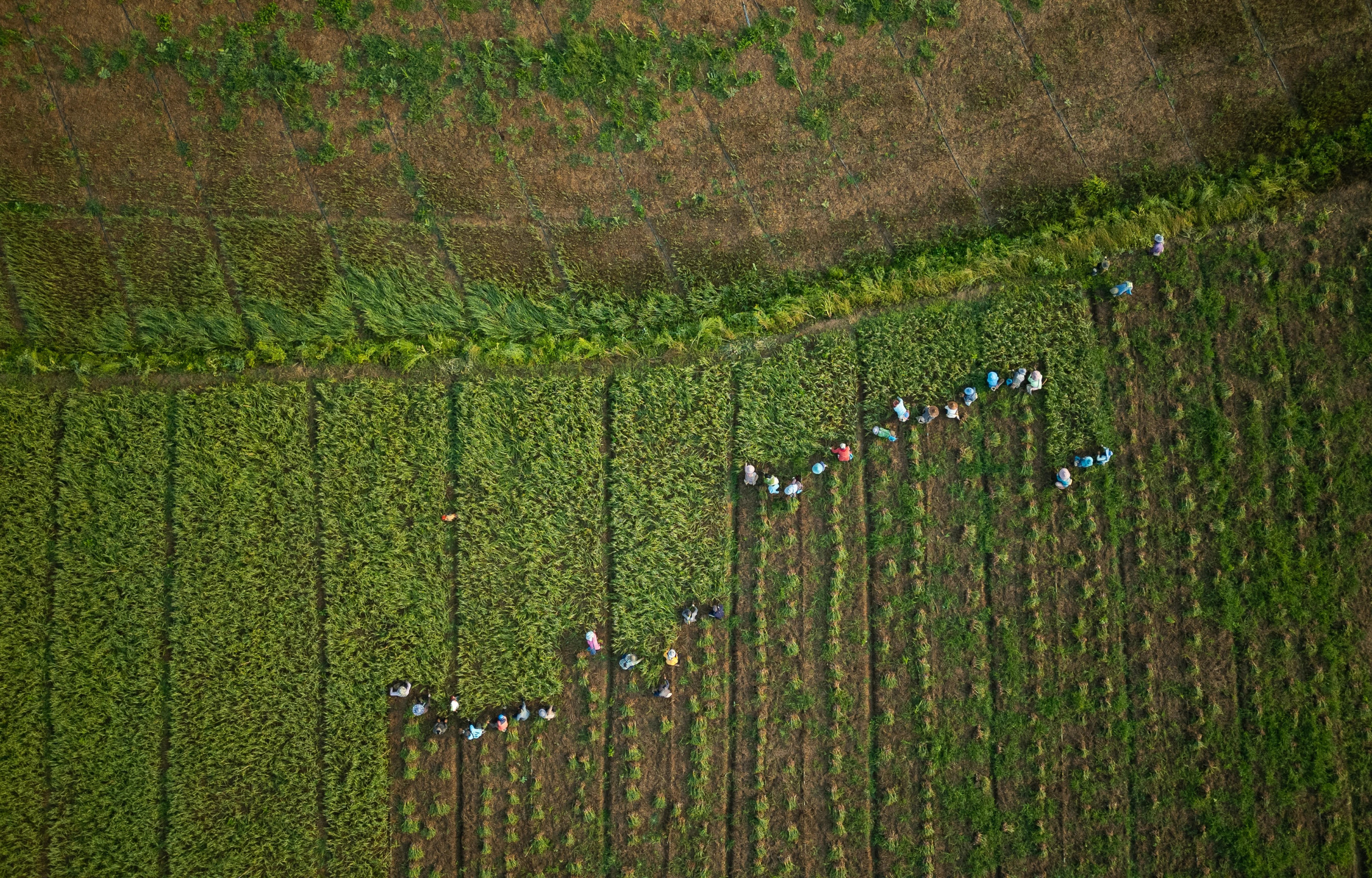 |
Garlic harvest at a farm on the Kok River bank in Tha Ton, Thailand, 21/2. Photo: AP. |
The United Nations World Food Programme (WFP) warns that this El Nino event could push at least 49 million more people into severe food insecurity by the end of 2027. WFP cautions that some areas in Central America and southern Africa will suffer severe damage from this phenomenon. Additionally, East Africa, South Asia, and Southeast Asia could also be significantly affected.
The rainy season in Southeast Asia typically occurs from june to october annually. According to Rafisura, a lack of rain could force farmers to delay planting, reduce cultivated areas, or switch to other crops. "Agriculture will undoubtedly be the first directly impacted", she said.
Reduced production of staple agricultural products like rice and palm oil could have global repercussions. North of Bangkok, Thailand, Boonmark Marksuuk, 55, faces difficult choices. Besides rising fuel and fertilizer prices, he currently spends most of his time pumping water into his rice fields due to erratic rainfall.
El Nino is also pressuring Indonesia and Malaysia, which supply about 85% of the world's palm oil, used in many products from biscuits and lipstick to toothpaste and detergent. The Prime Minister of Malaysia has directed the Ministry of Agriculture and Food Security to find ways to mitigate the impact of extreme hot weather, which is forecast to affect the country most severely in november.
In Indonesia, farmers rely on rain for fertilizers to dissolve into the soil, preventing crops from burning, according to Eddy Martono, Chairman of the Indonesian Palm Oil Association. "If there is no rain, everyone will certainly stop fertilizing", he said. However, this choice will affect the country's overall palm oil production.
"For Southeast Asia, anything that happens here, as well as the extent to which countries can protect agricultural output, will have a global impact", Kareff Rafisura commented.
By Phien An (according to AP, The Guardian)